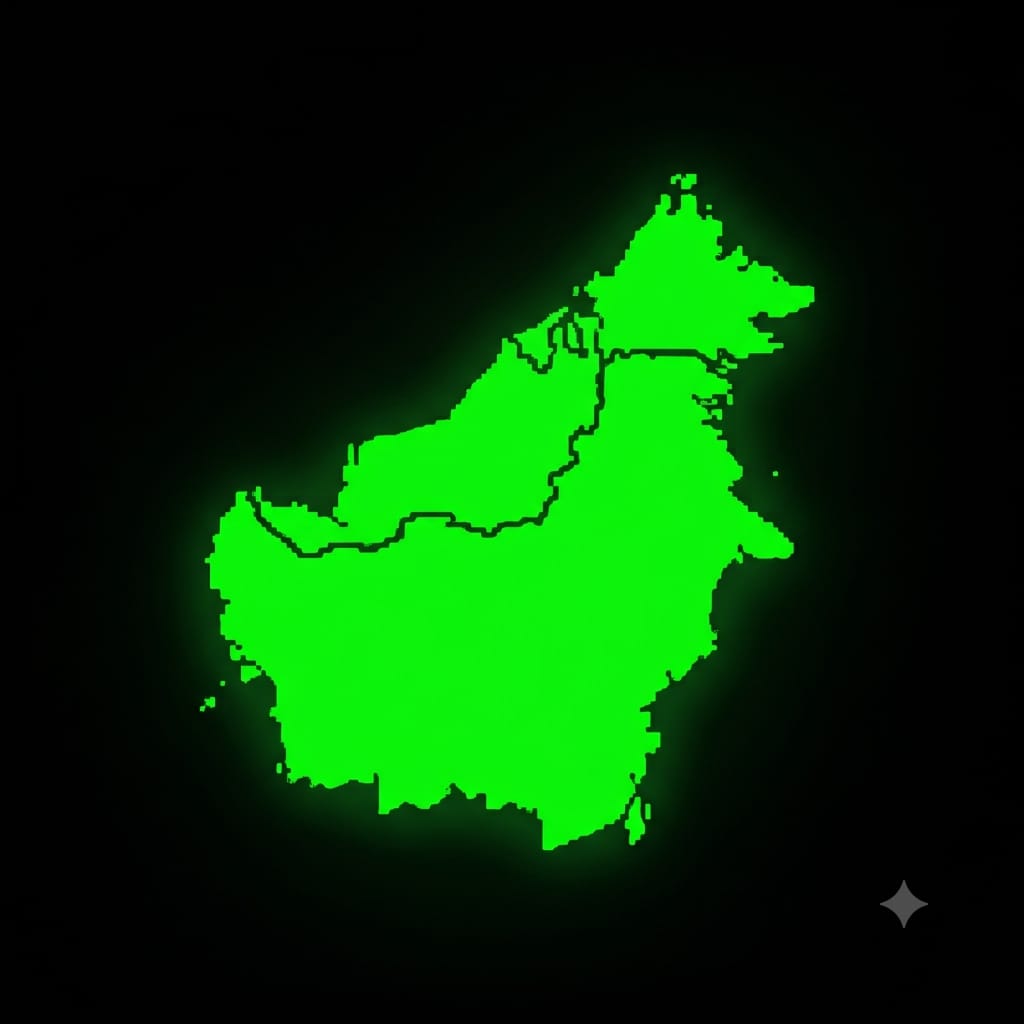
 Wildlife
of Borneo
Resources
Longer reads on how to actually see things in Borneo — where to go, how the good trips are run, and what the equipment does and doesn't do. More of these are on the way.
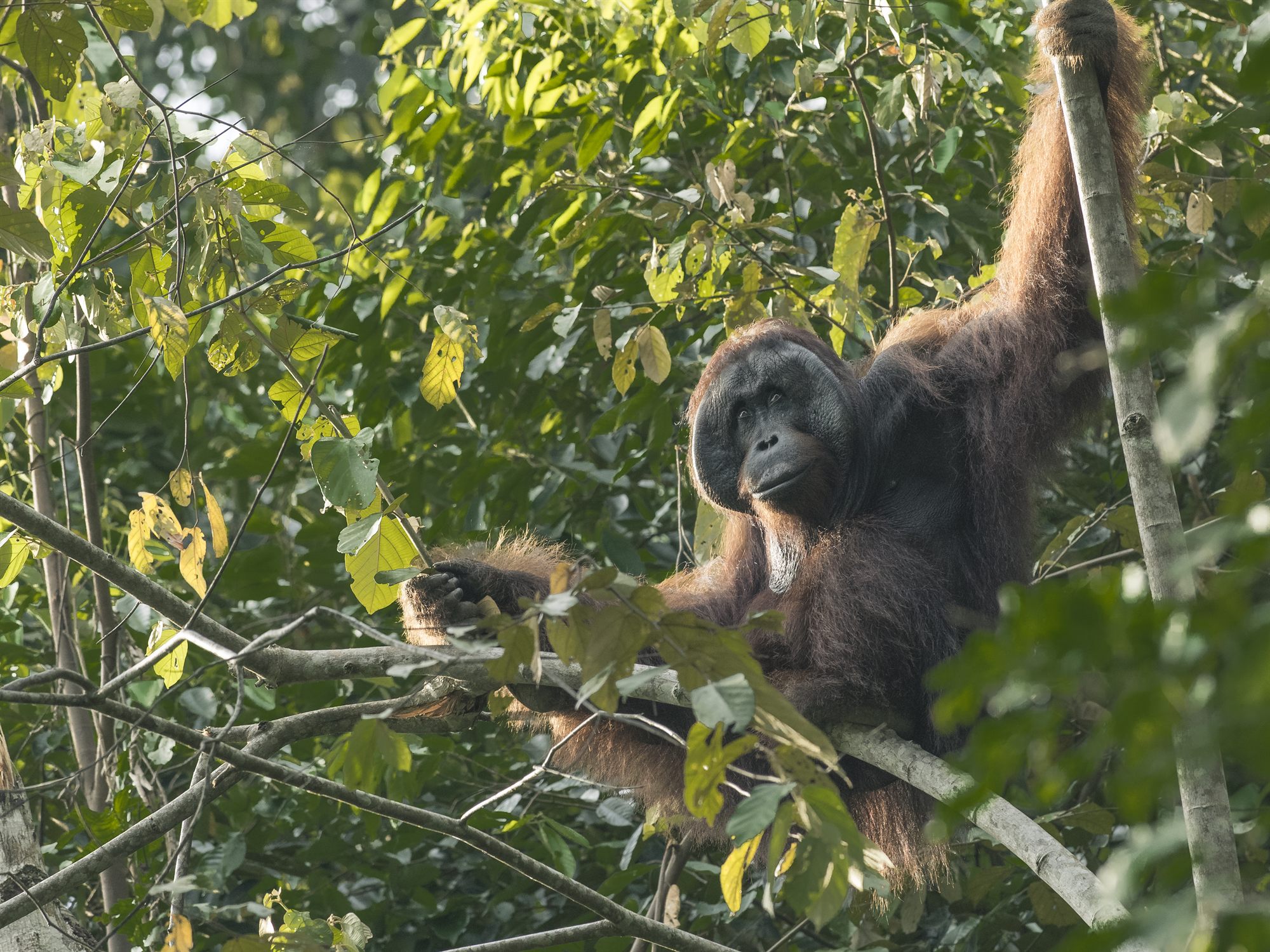
The Borneo field guide
GuideWhat the guide covers, section by section — 4,245 species across every major group — how it compares with carrying a printed field guide, and how to put it on your phone for the field.
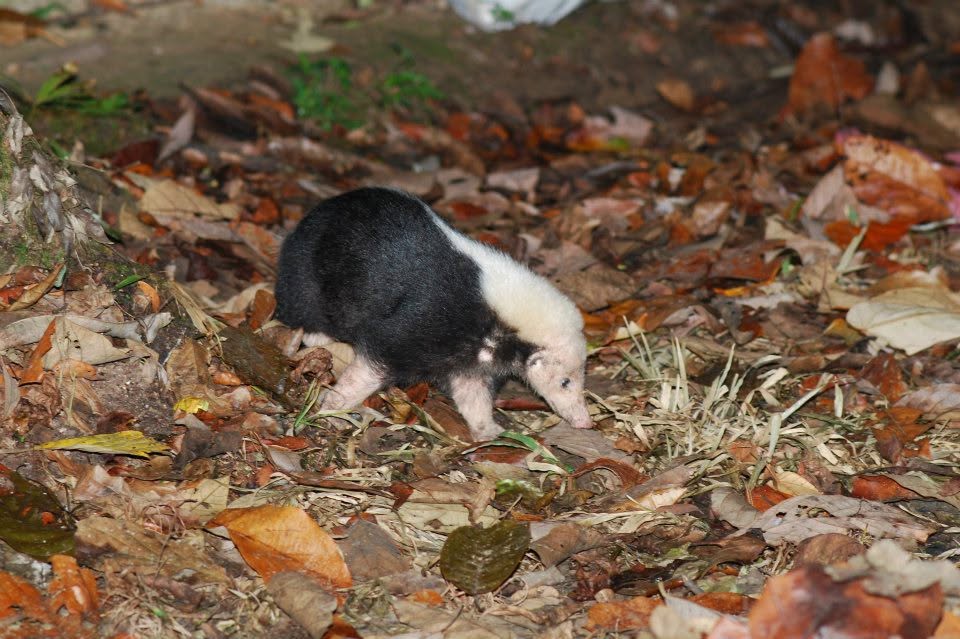
Mammal watching
GuideDeramakot, Tabin and the rest — why the night drives need to be long, what a thermal imager changes, and the species you won't see without a trip built around them.
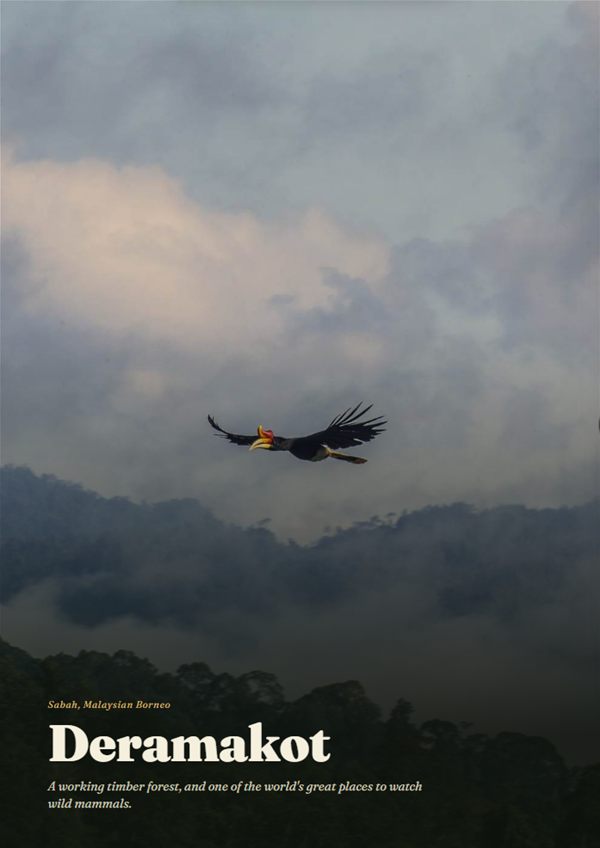
The Deramakot Book
Free ebook · 46 pagesA free illustrated book on Deramakot Forest Reserve: how a working timber forest became one of the world's great places to watch wild mammals, profiles of more than 30 species, practical advice for your visit and a 620-species checklist.
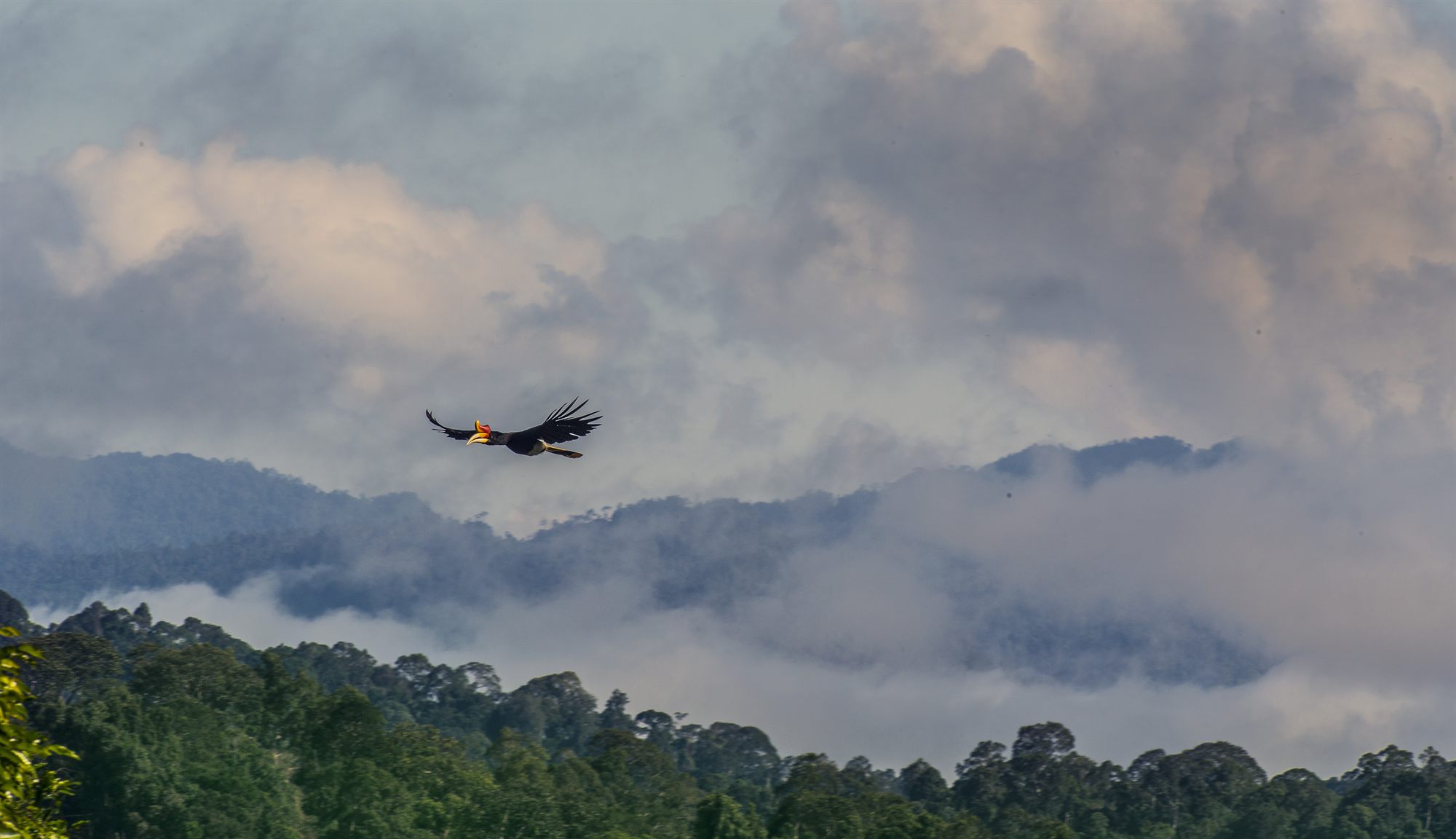
Birdwatching
GuideKinabalu, Danum and the Kinabatangan — how the mornings actually run, when to be out, what playback does to a bird, and the endemics worth building a trip around.
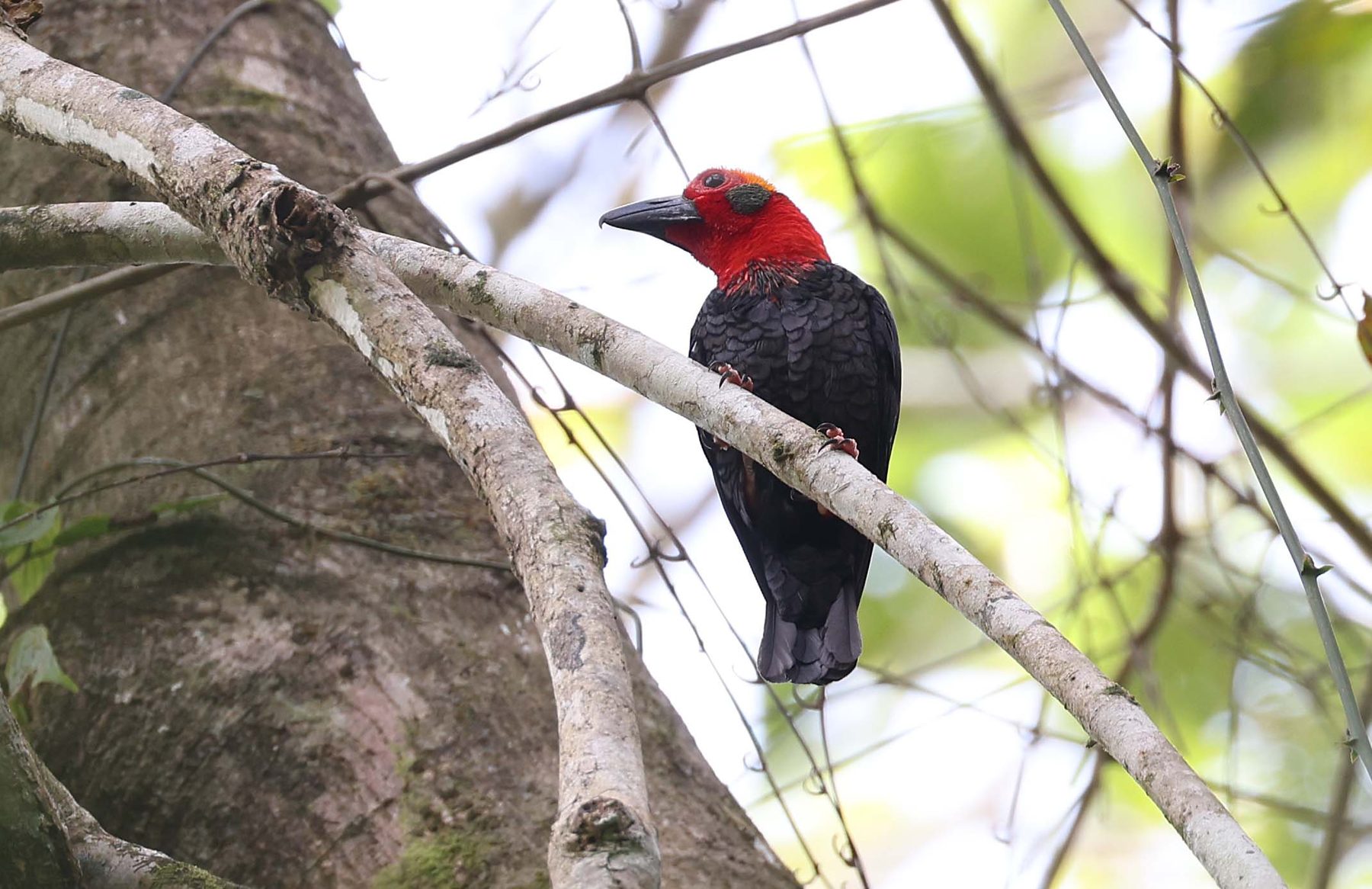
Best place to see Bornean Bristlehead
GuideMaliau's Nepenthes Camp, Danum, Deramakot and the Rainforest Discovery Centre canopy walkway — where to find Borneo's family-of-one bird, and why it is so sought after.
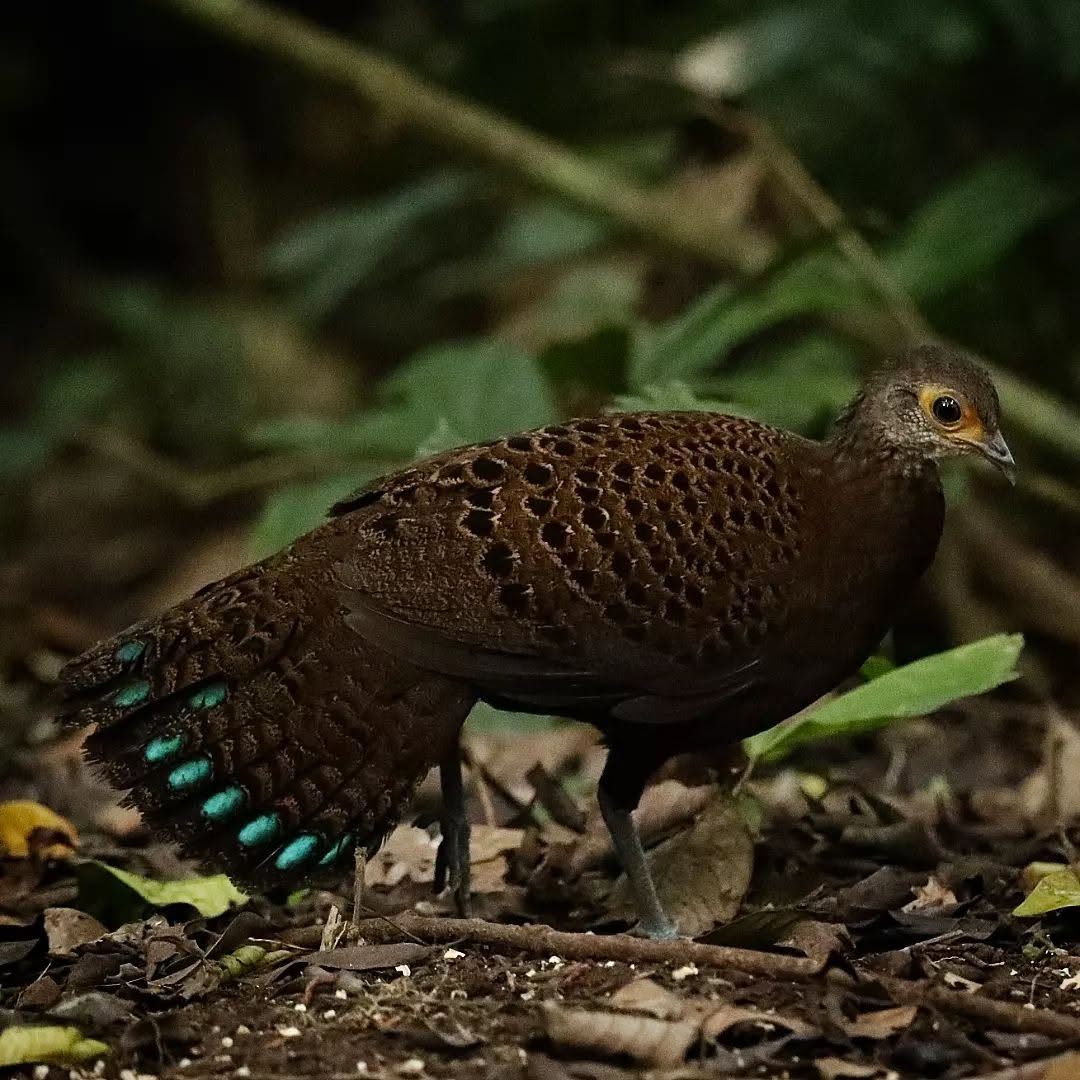
Bird hides of Sabah
GuideTelupid, Trus Madi, Taliwas and Mount Silam — how a handful of community-run hides turned Peacock-Pheasant, Bulwer's Pheasant, Giant Pitta and Ground-Cuckoo into birds you can realistically plan a trip around.
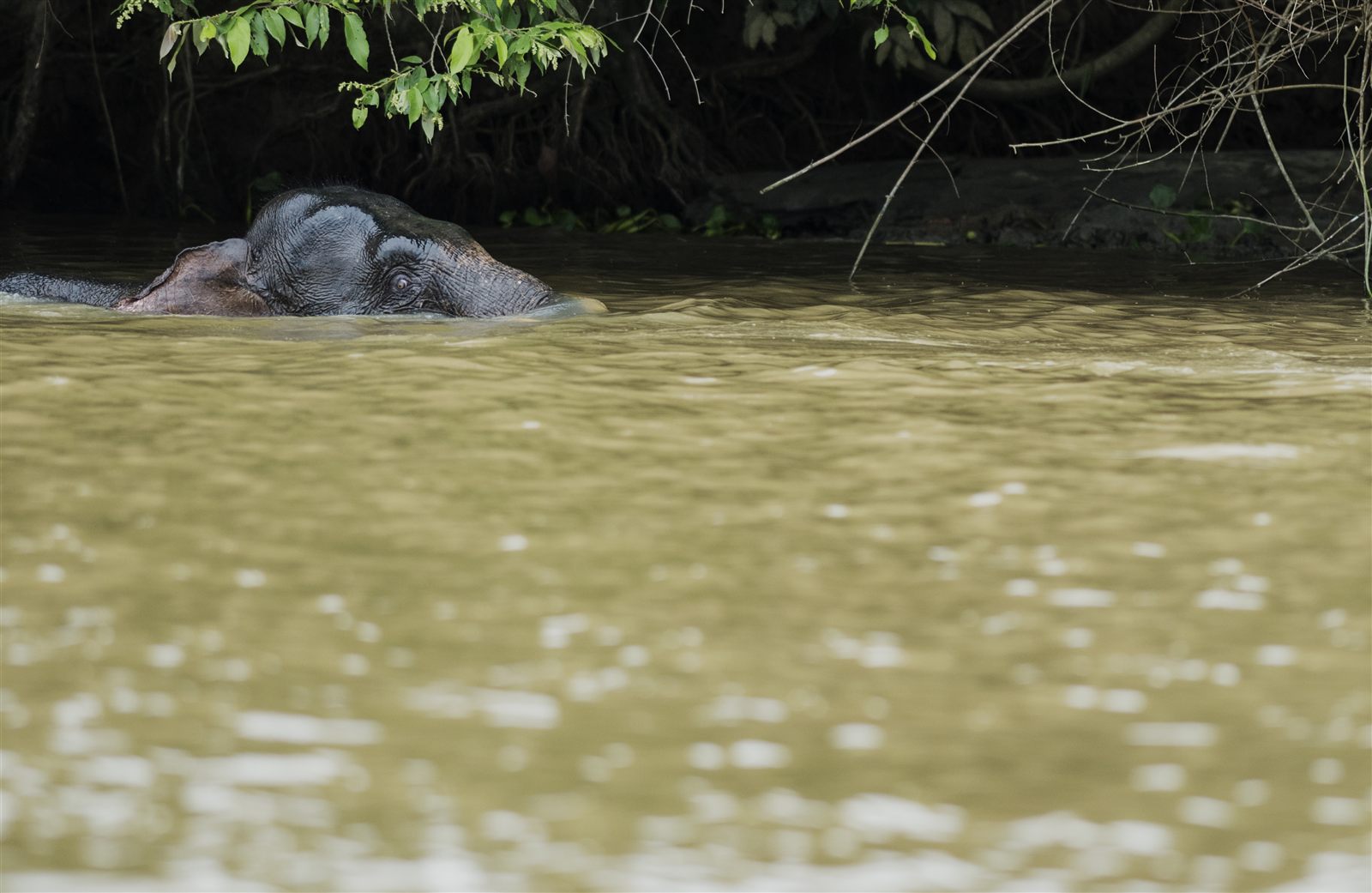
Wildlife photography
GuideThe Kinabatangan, Gomantong, Danum and Deramakot — which sites suit which kind of shot, why a canopy walkway beats a trail, and what a private guide actually buys you.
The Borneo Big Five
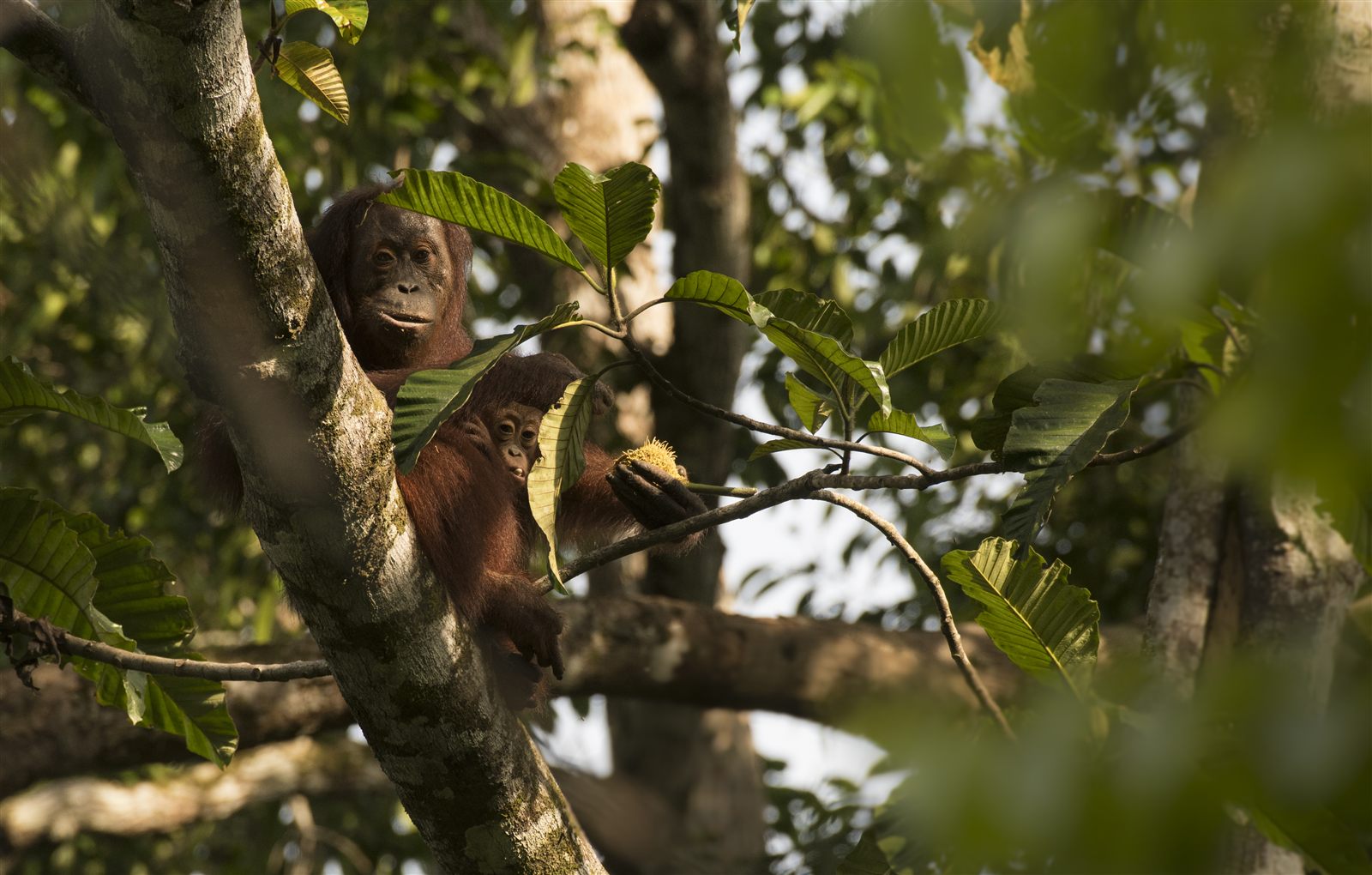
GuideOrangutan, Proboscis Monkey, Bornean Elephant, Rhinoceros Hornbill and Saltwater Crocodile — what each one is, your realistic odds on the Kinabatangan, and a back-up site for each.
The Rare Mammals of Borneo
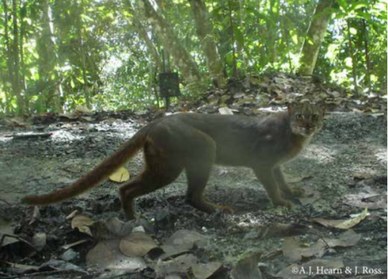
GuideThe Kinabalu Ferret Badger, Bay Cat, Hose's Civet and Borneo's five endemic grey langurs — the mammals so rare that even serious watchers rely on camera traps, by 1Stop Borneo Wildlife.
Trip Reports
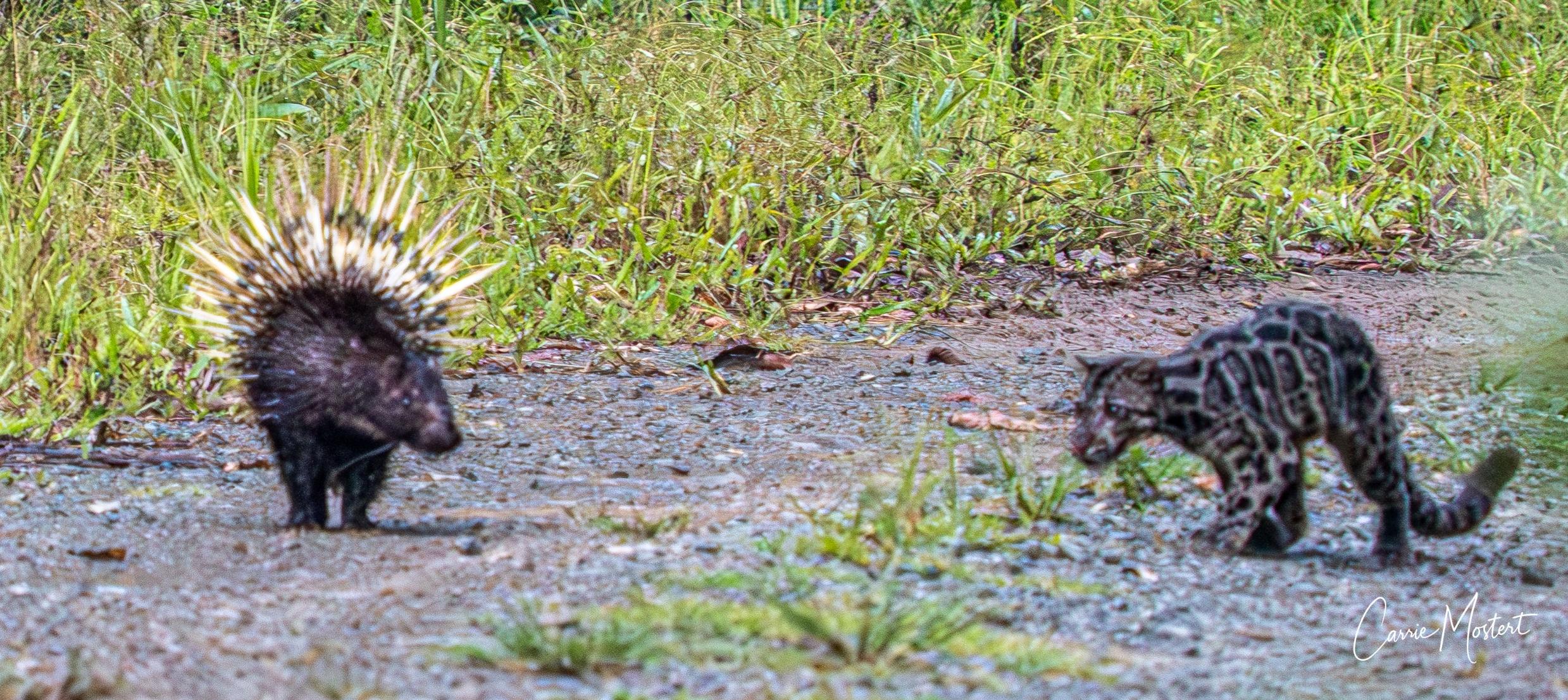
GuideReal reports from operators and guides who've run trips in Borneo — sightings, routes and full species lists, in their own words.
Herping
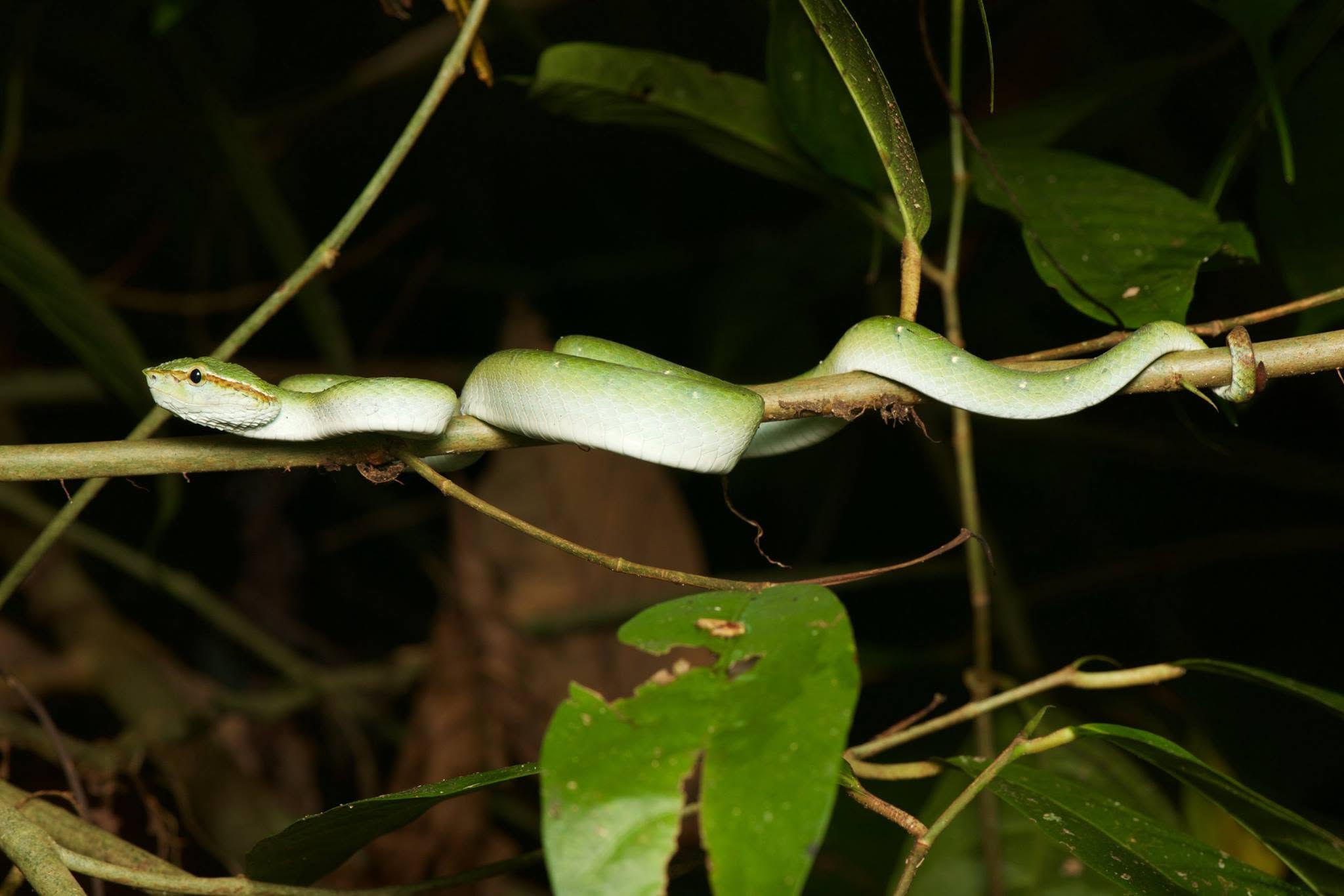
GuideKubah, Danum and the Sarawak parks — why the good hours are after dark and after rain, how to walk a stream, and the snakes, frogs and lizards worth building a trip around.
mammalwatching.com

Mammal Watching (mammalwatching.com) is a community website for people who watch wild mammals, founded in 2005 by Jon Hall. It brings together trip reports, a directory of sites and guides, a forum, a global mammal checklist, a library of mammal sound recordings and gear advice. Its trip reports are a useful companion when planning where to look for a particular species.
The site includes many examples of how responsible mammal-watching tourism brings income to places with few other sources, giving local people a reason to protect wildlife. These include Brazil's Pantanal, where ranchers now earn more from jaguar tourism than from cattle, and visits that have helped fund research on mandrills in Gabon and spectacled bears in Ecuador. Sightings recorded by mammalwatchers have also documented range extensions, new country records and rediscoveries of "lost" species.