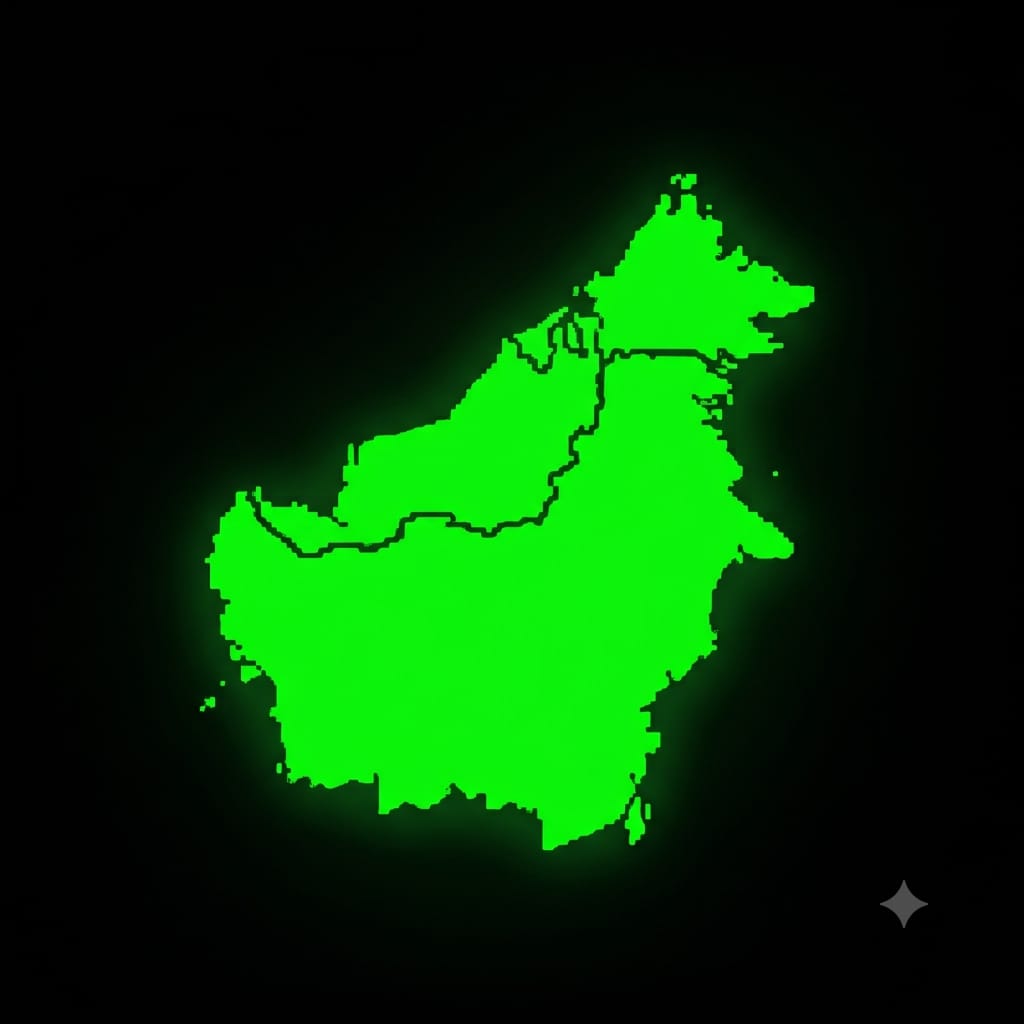
 Wildlife
of Borneo
Deramakot Forest Reserve
Sustainable forest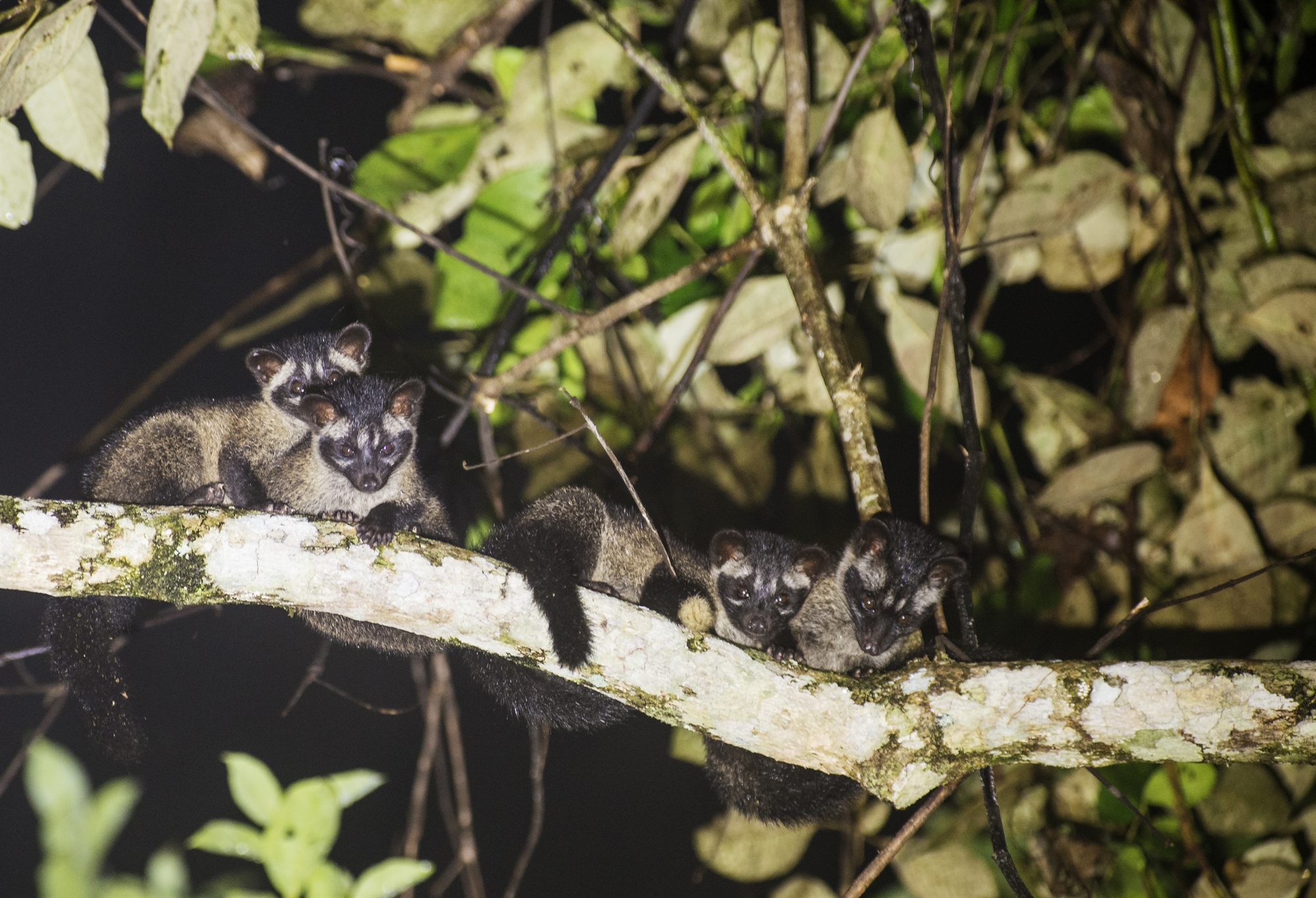
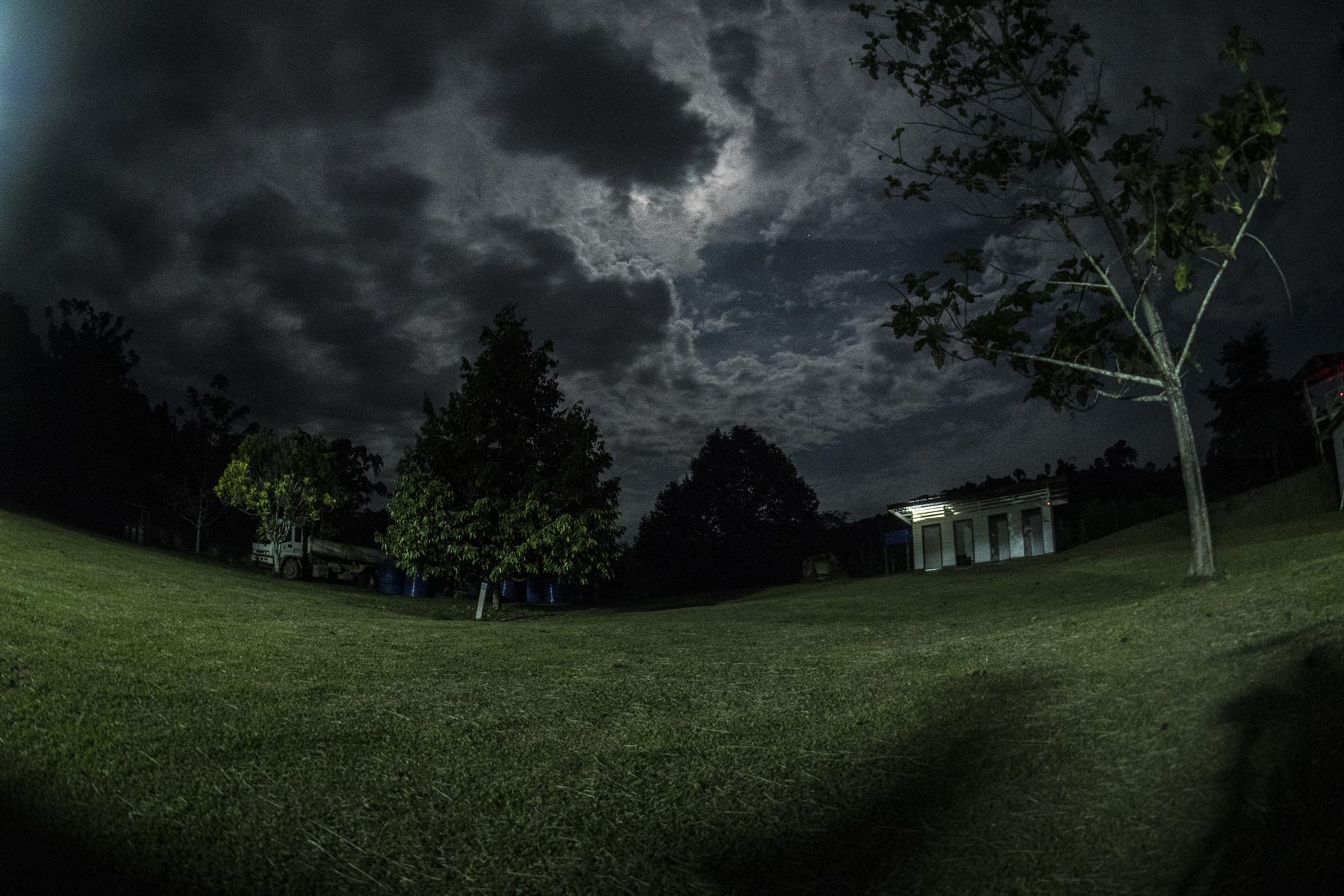
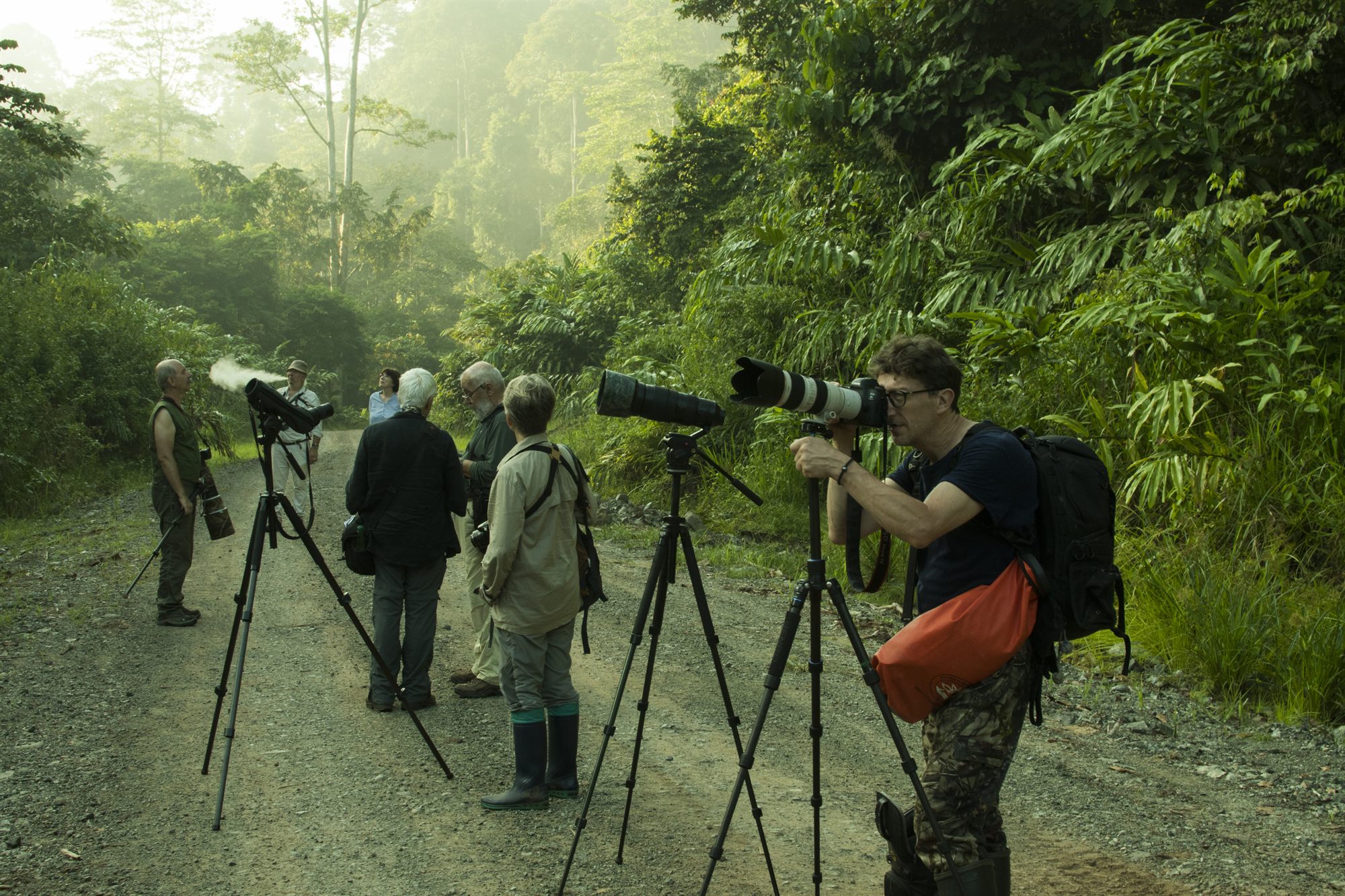
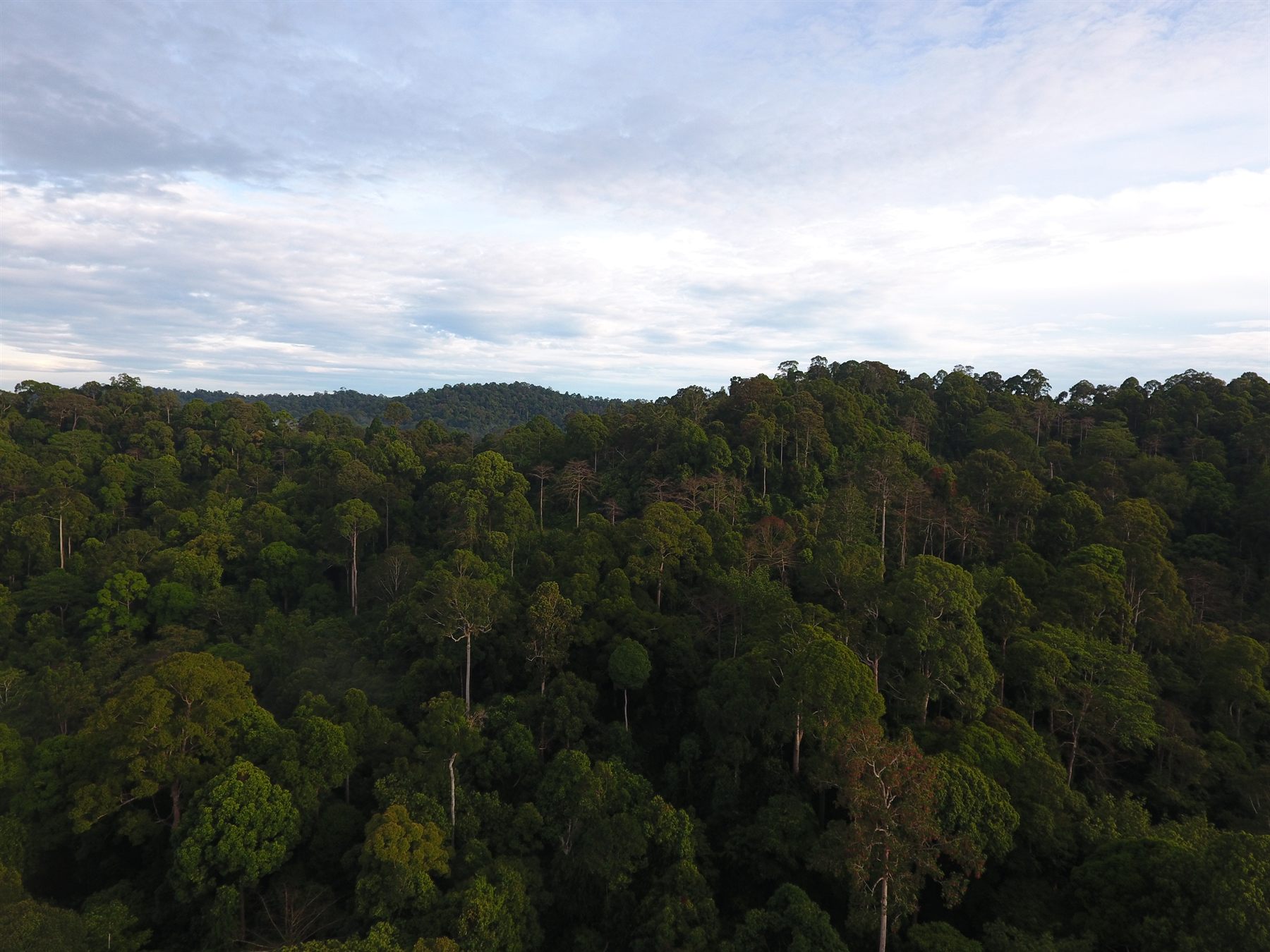
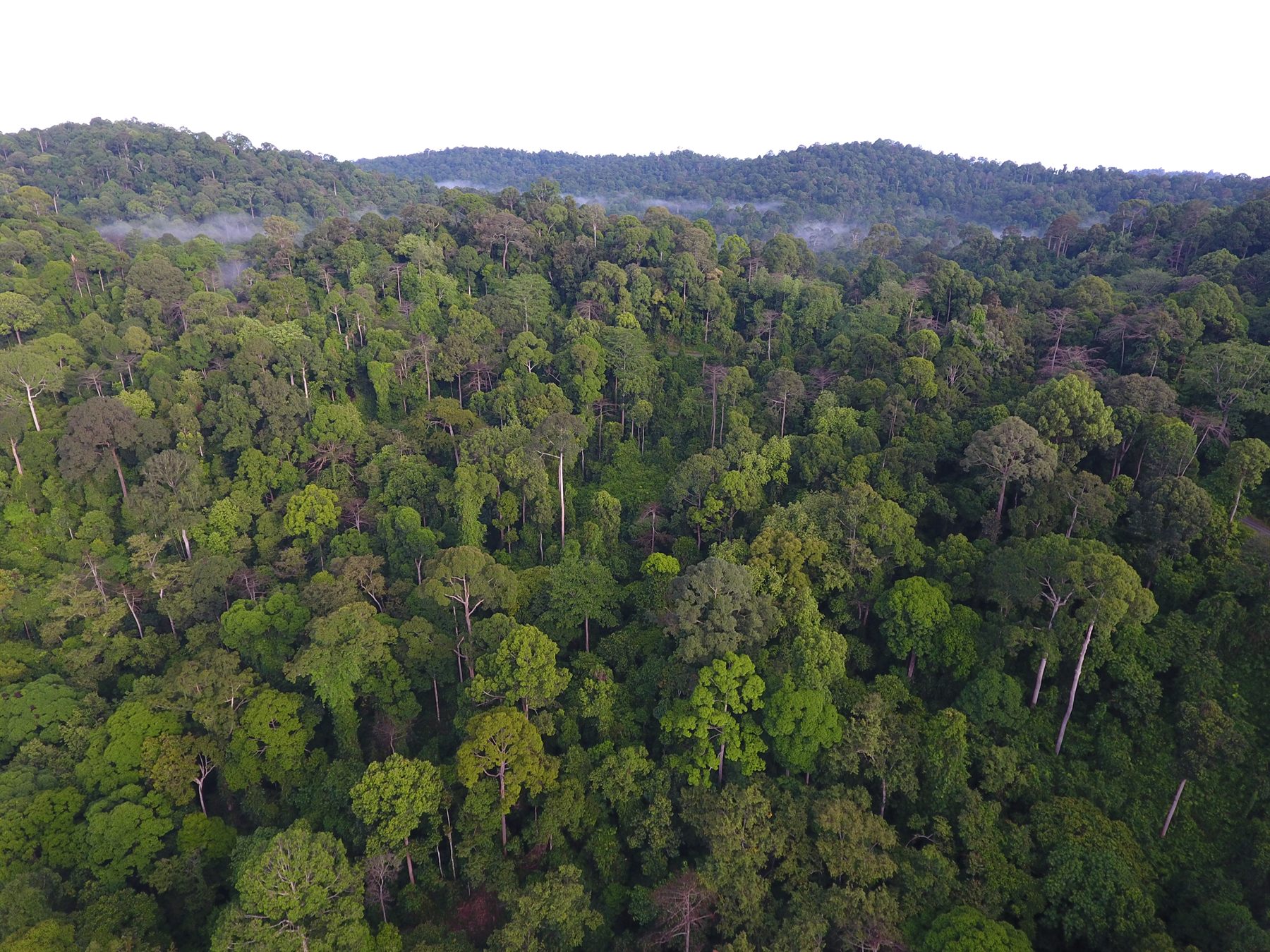
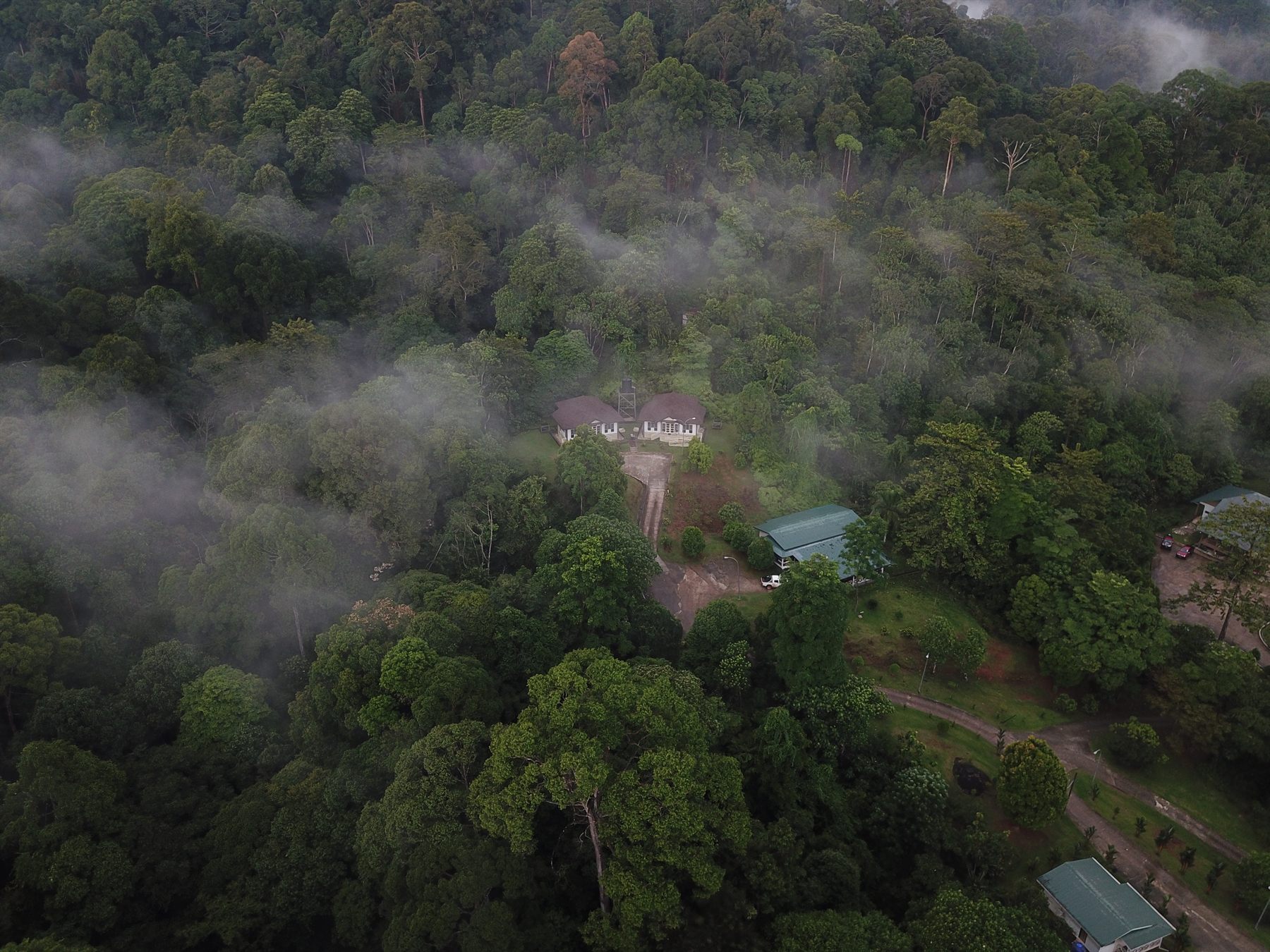
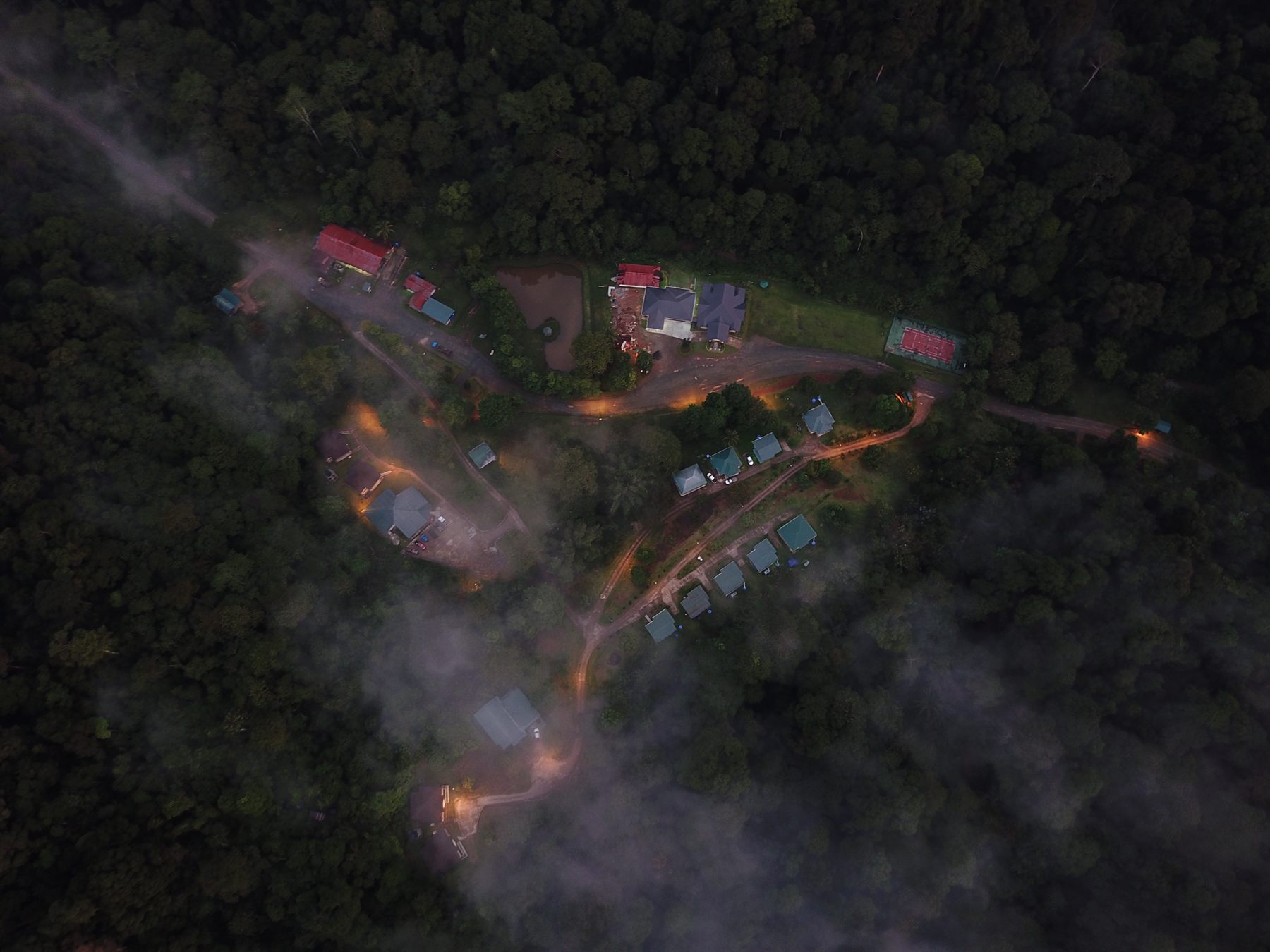
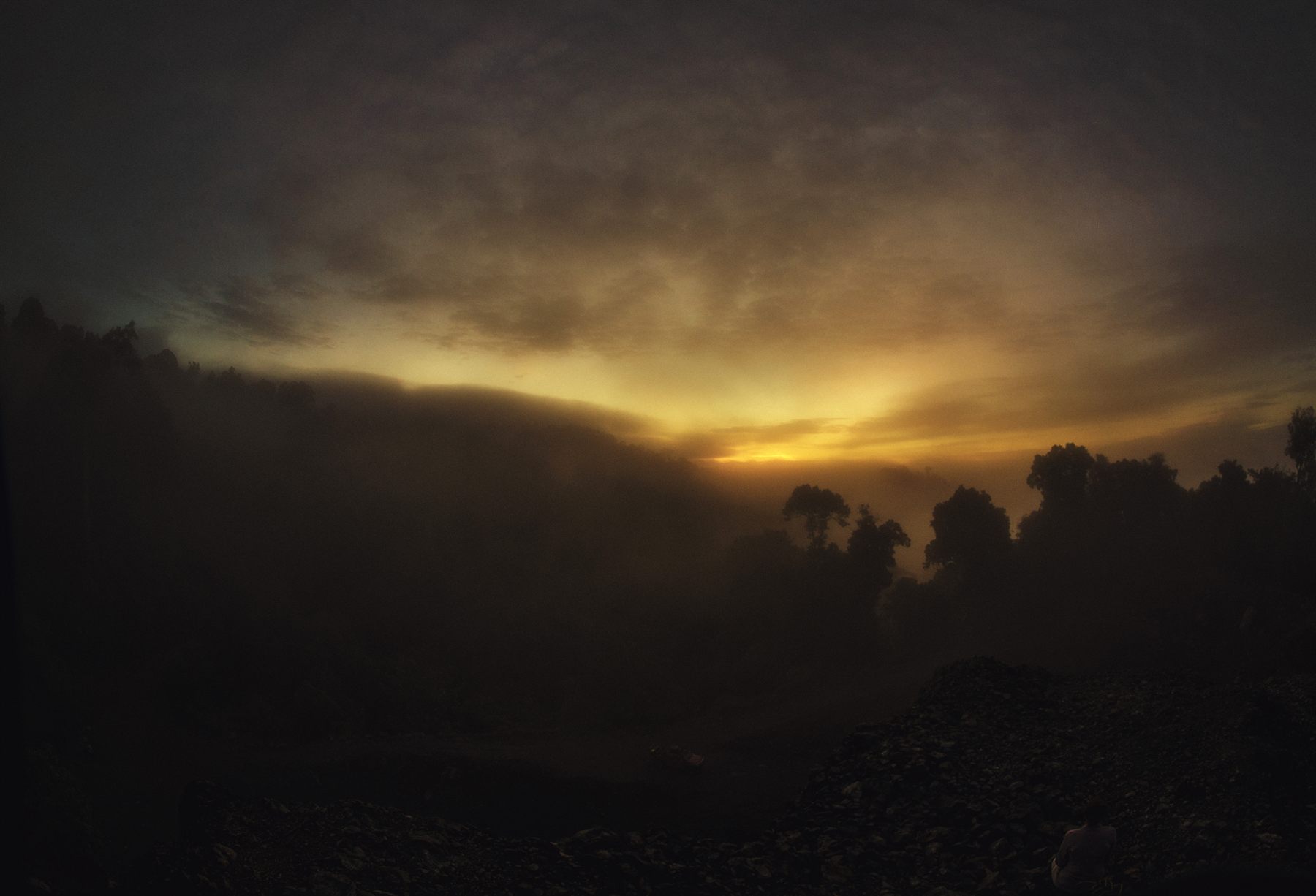
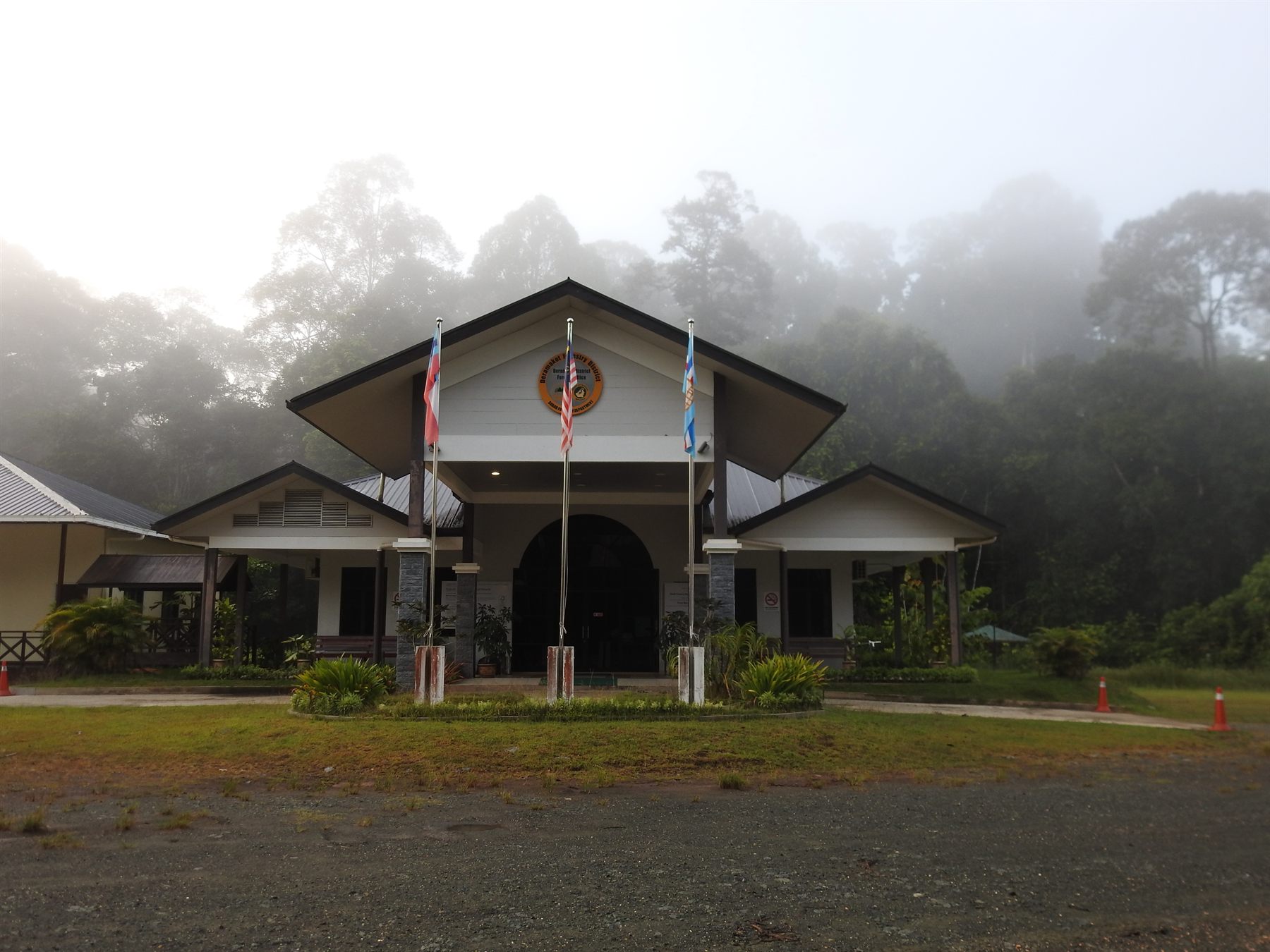
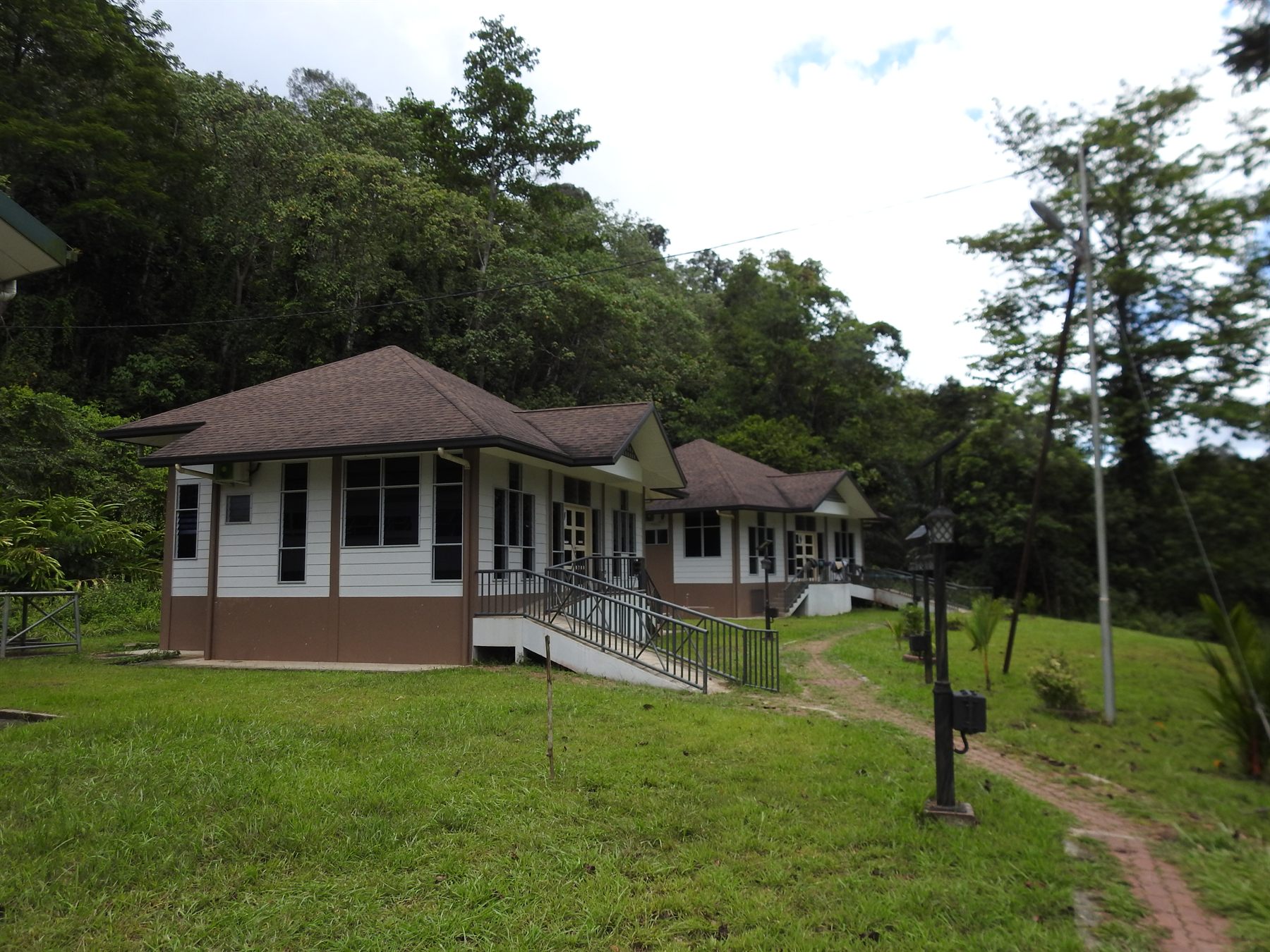
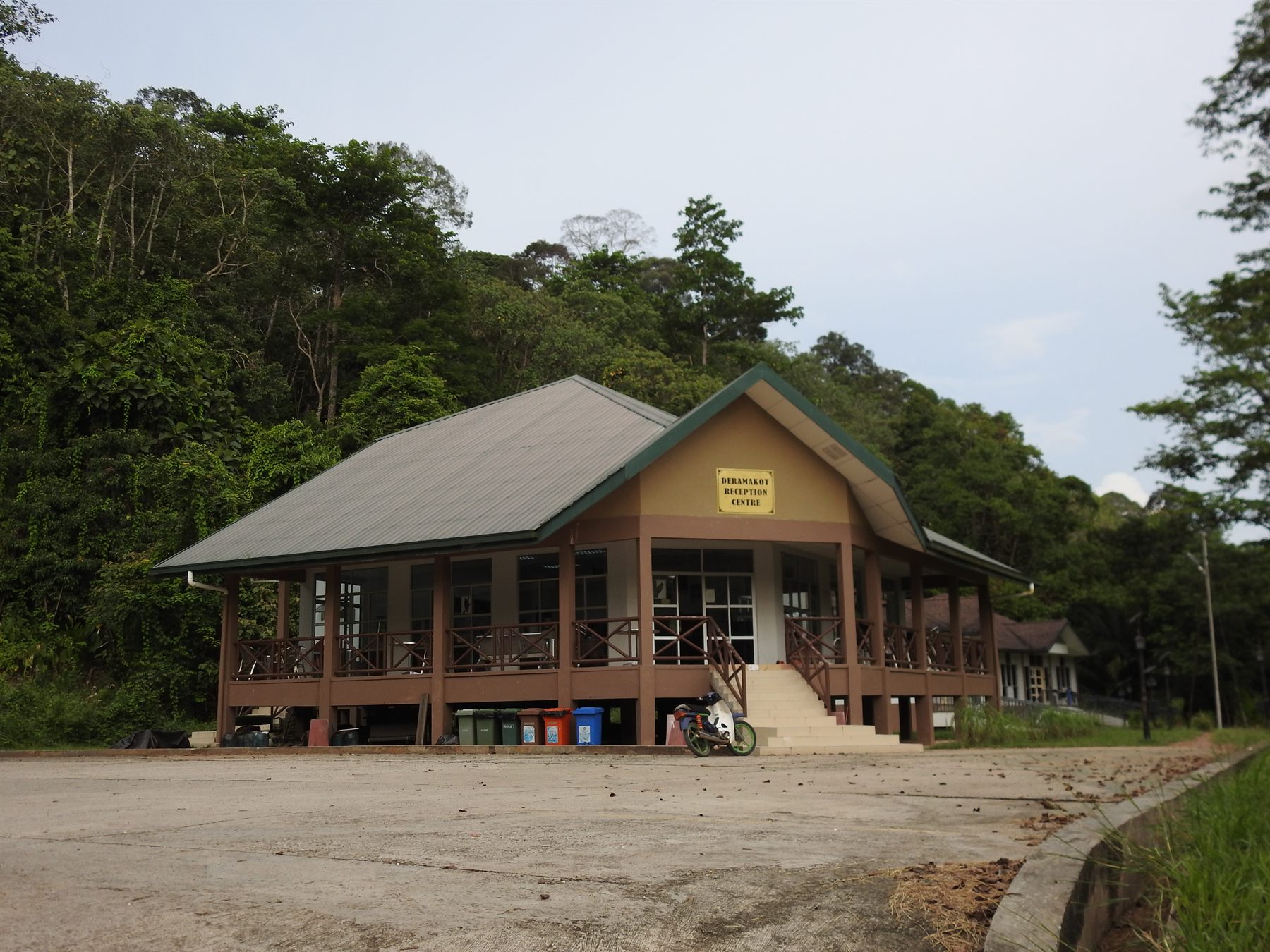
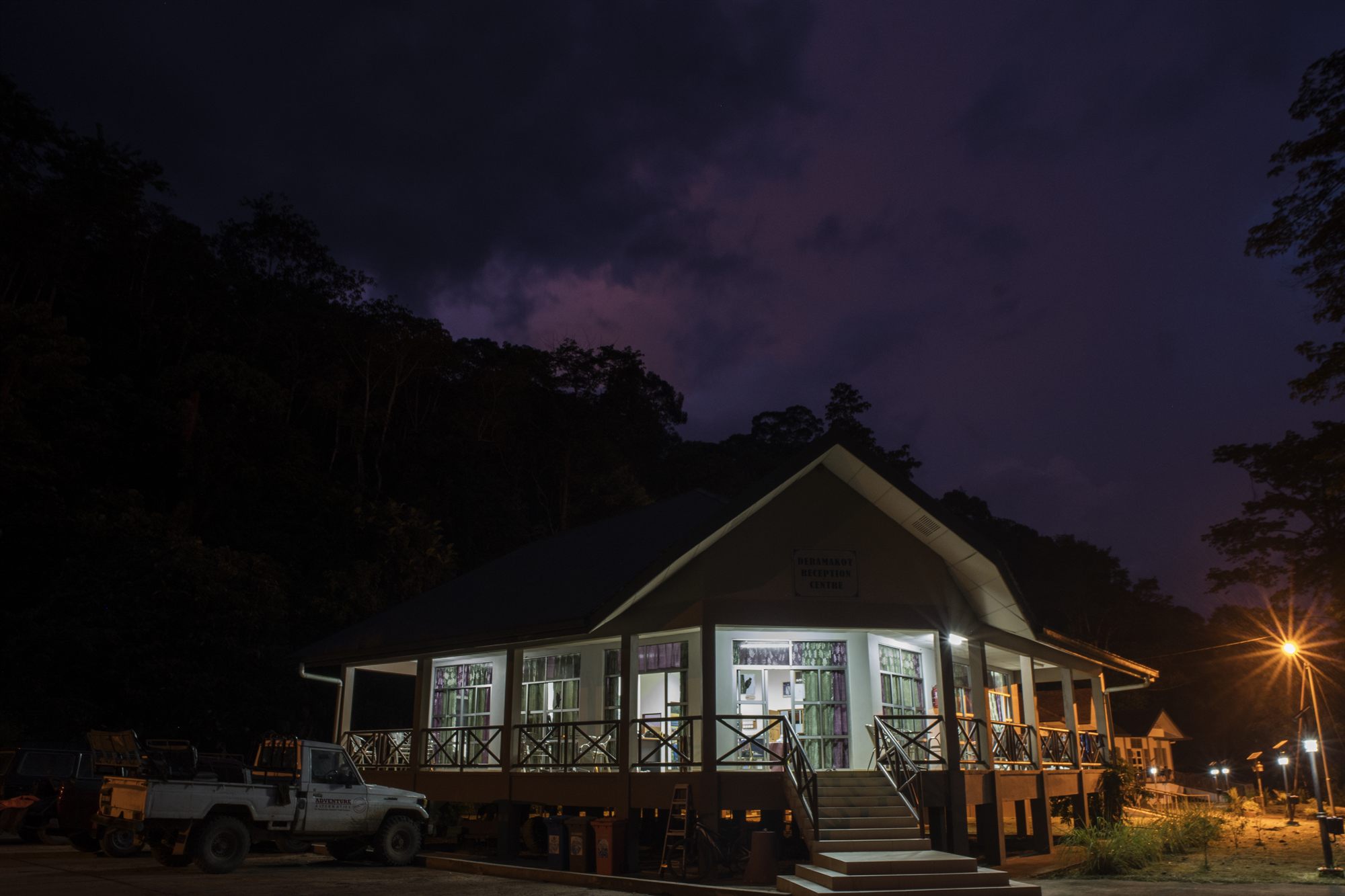
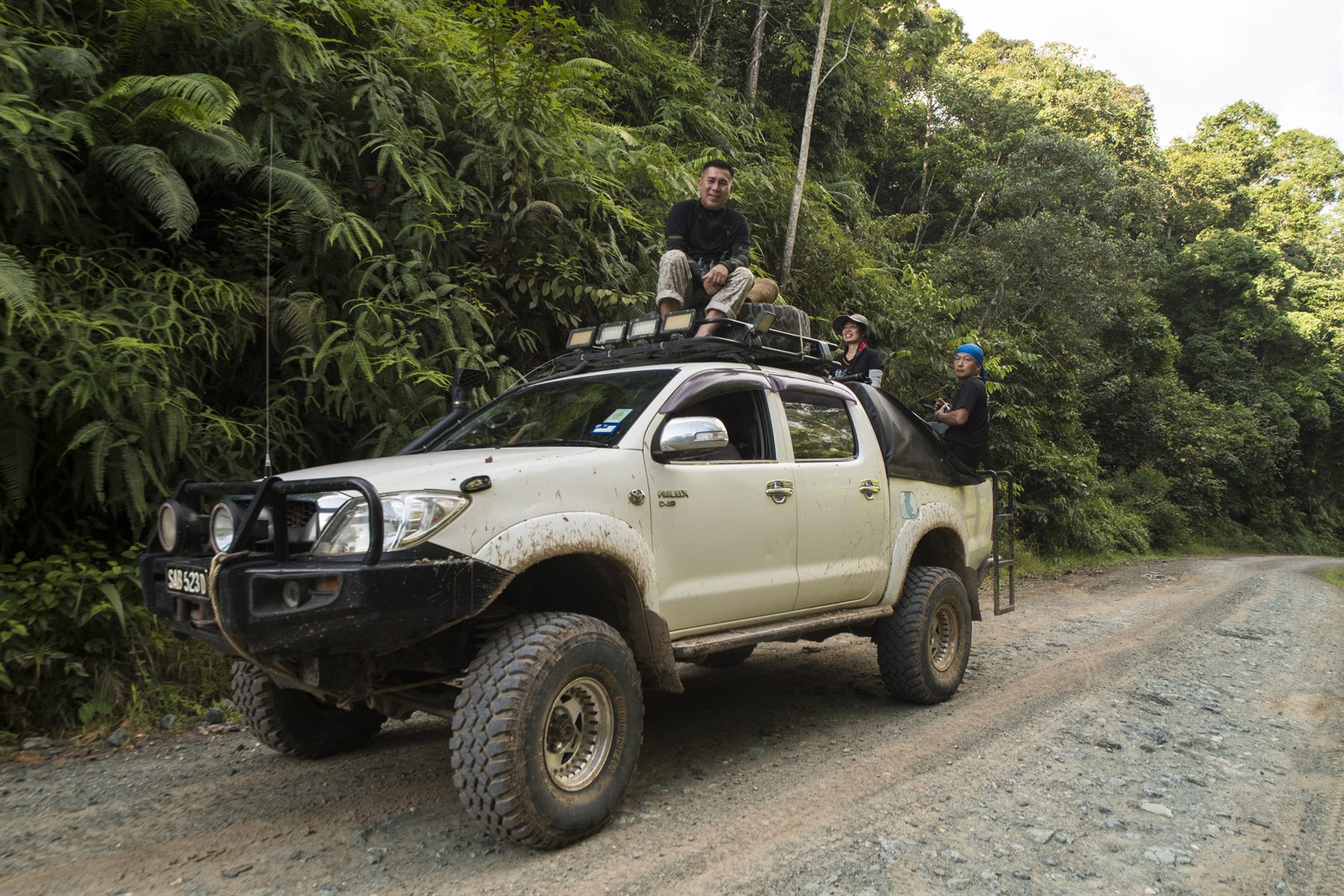
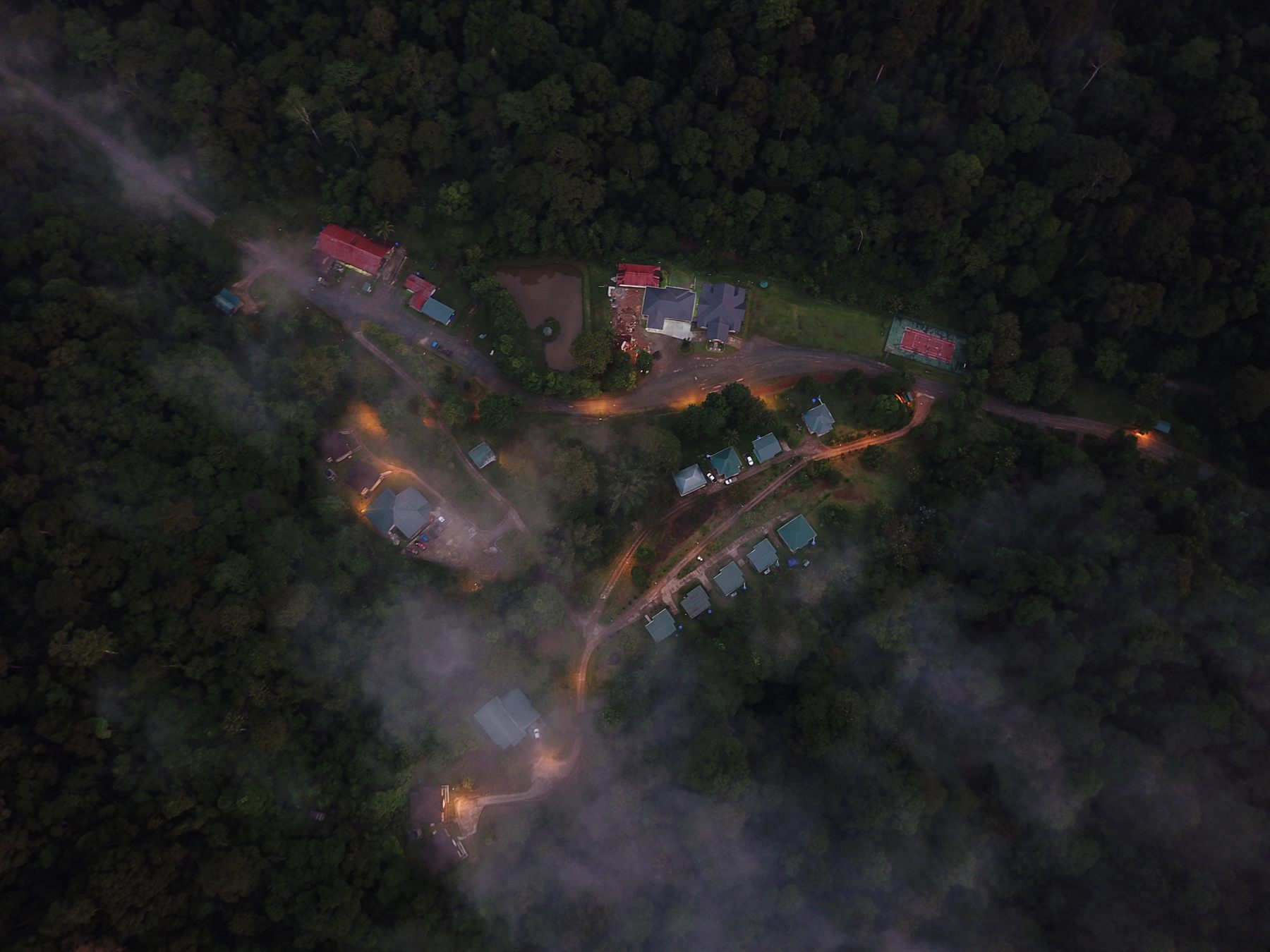
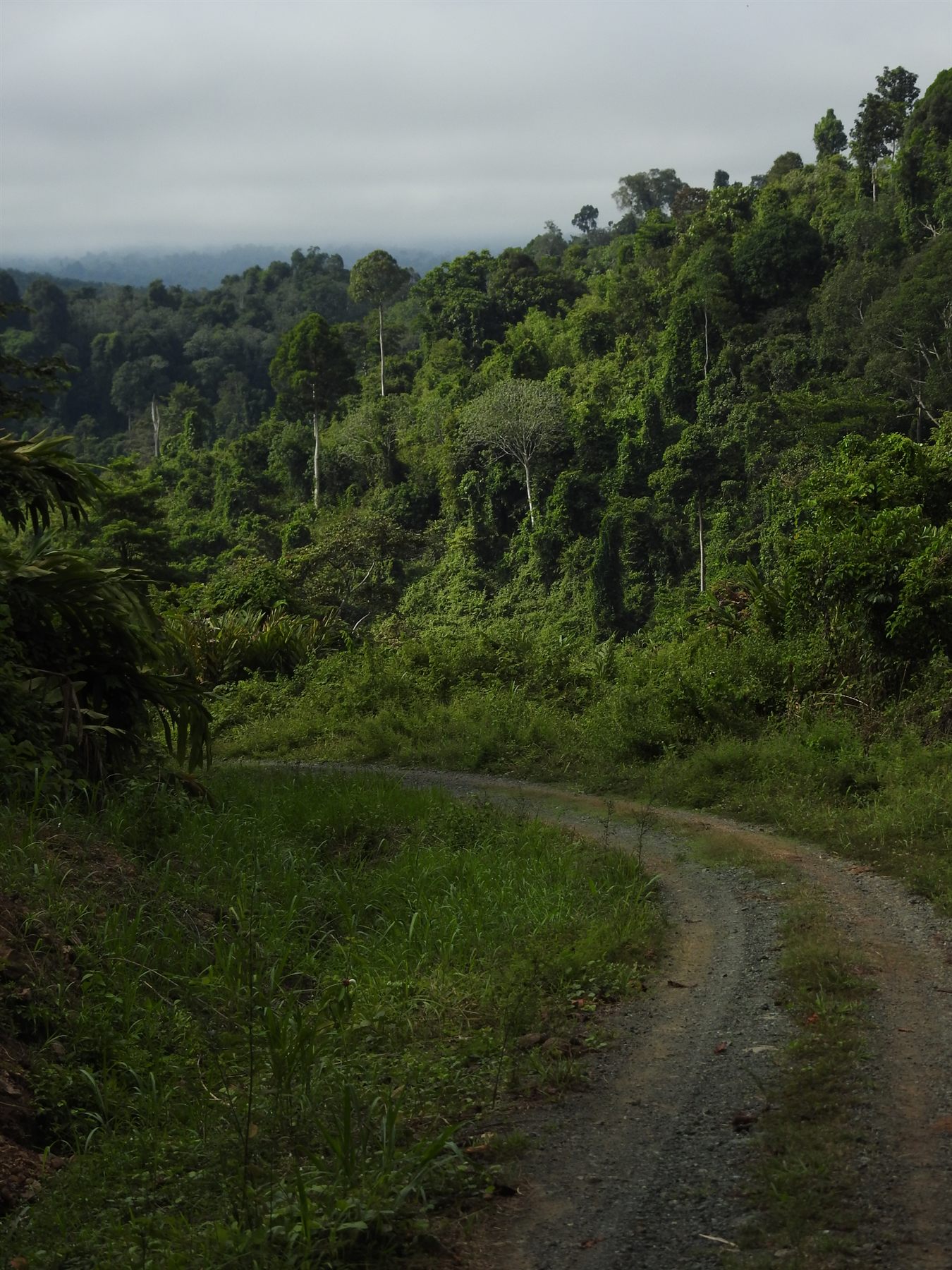
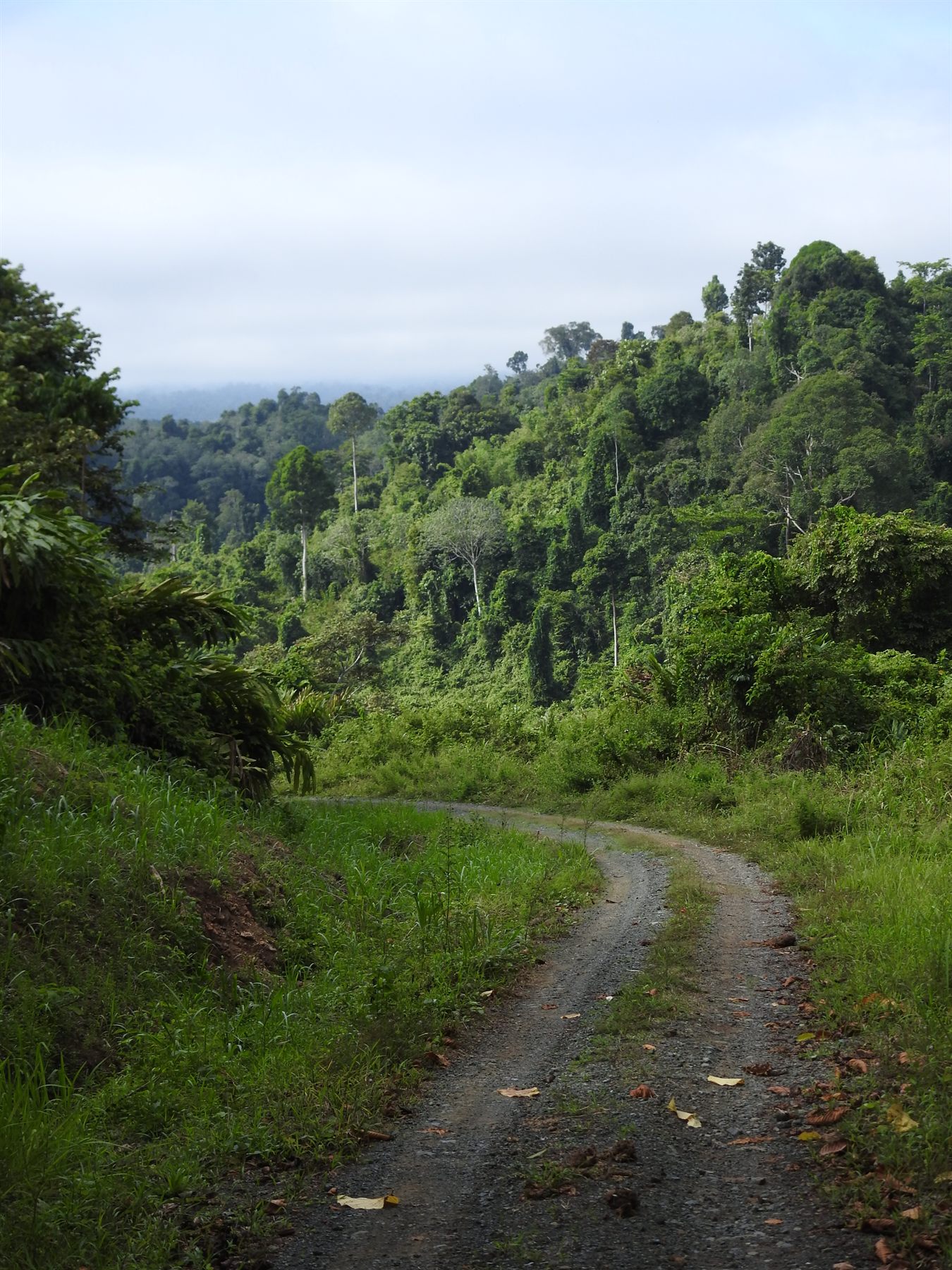
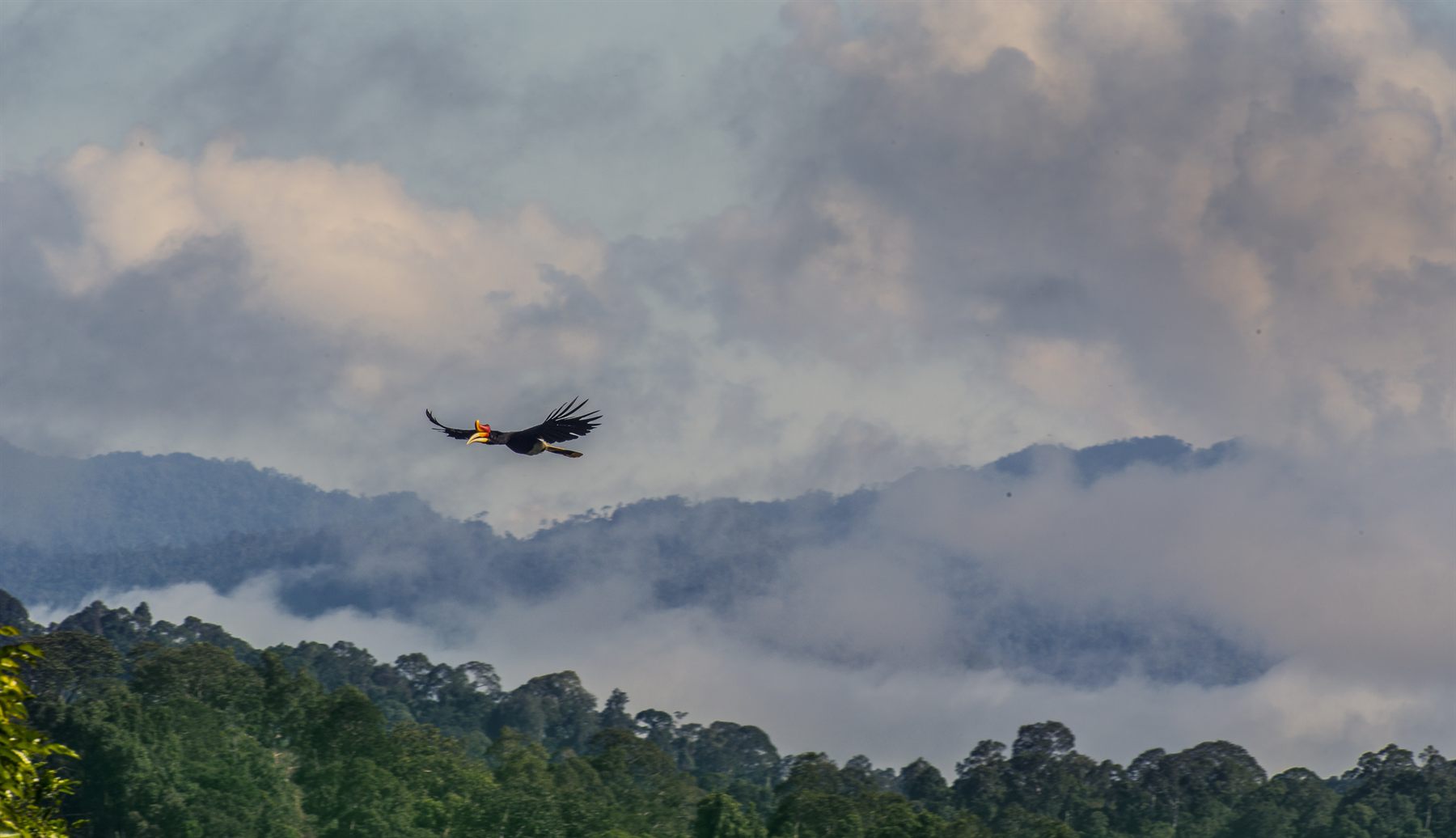
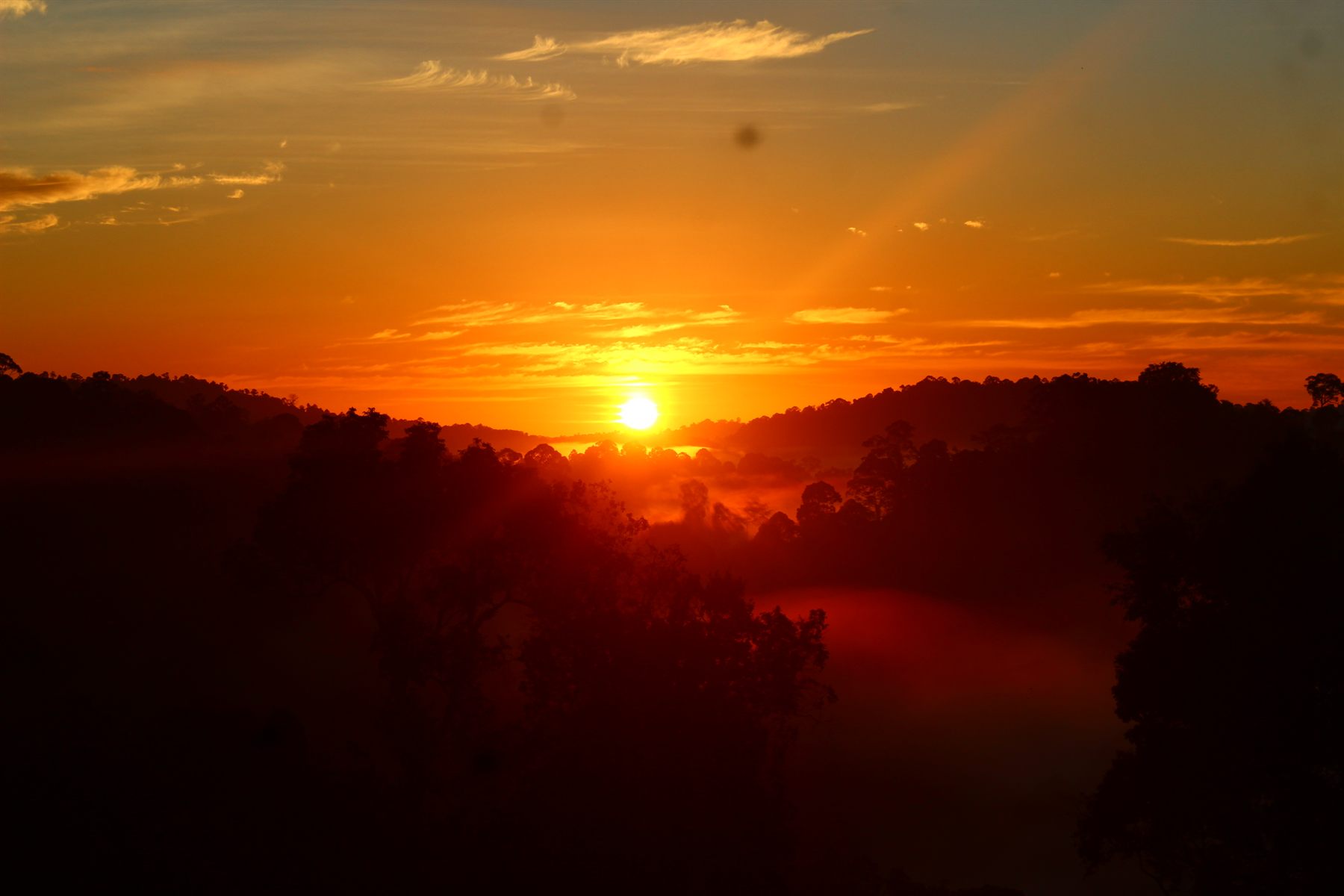
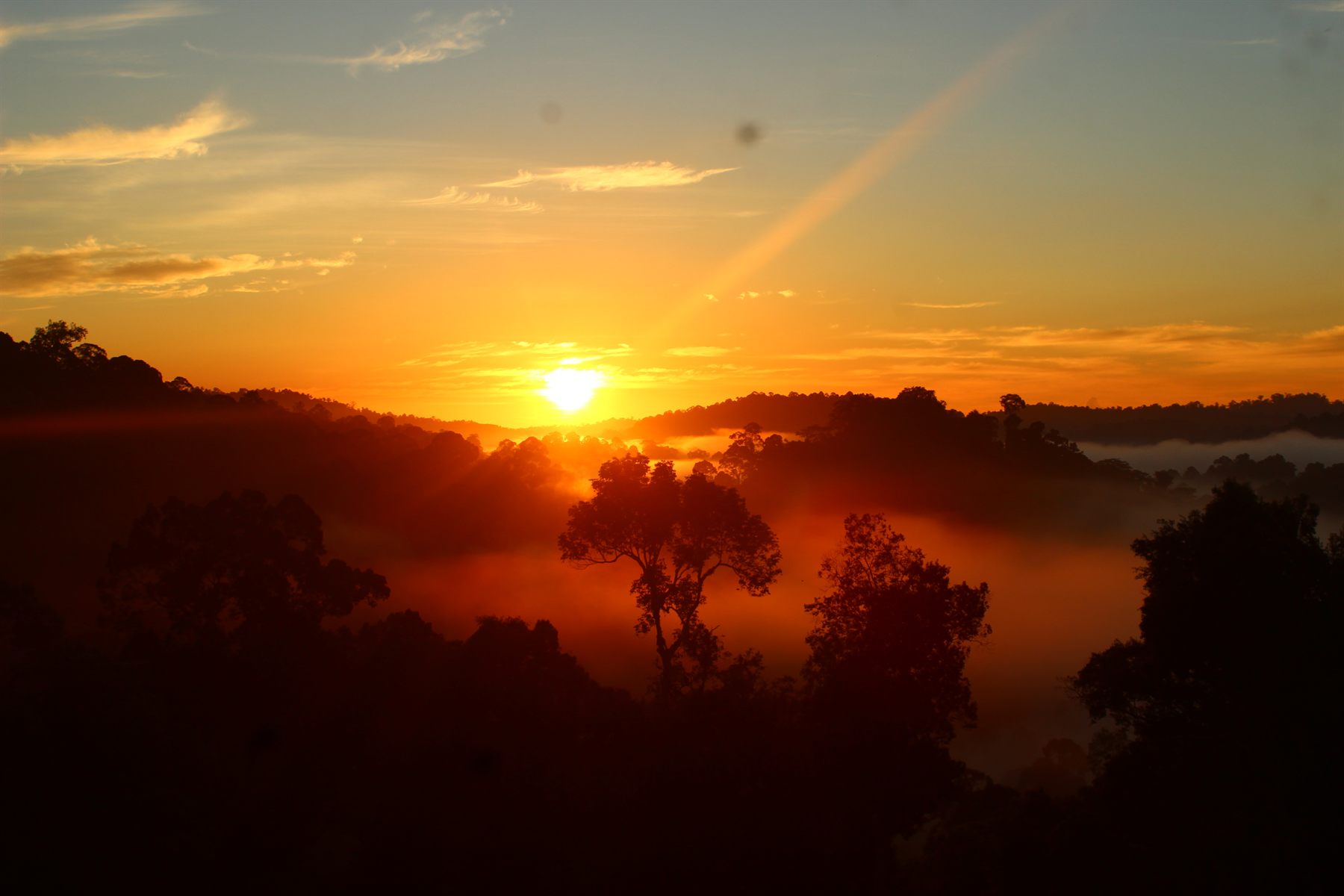
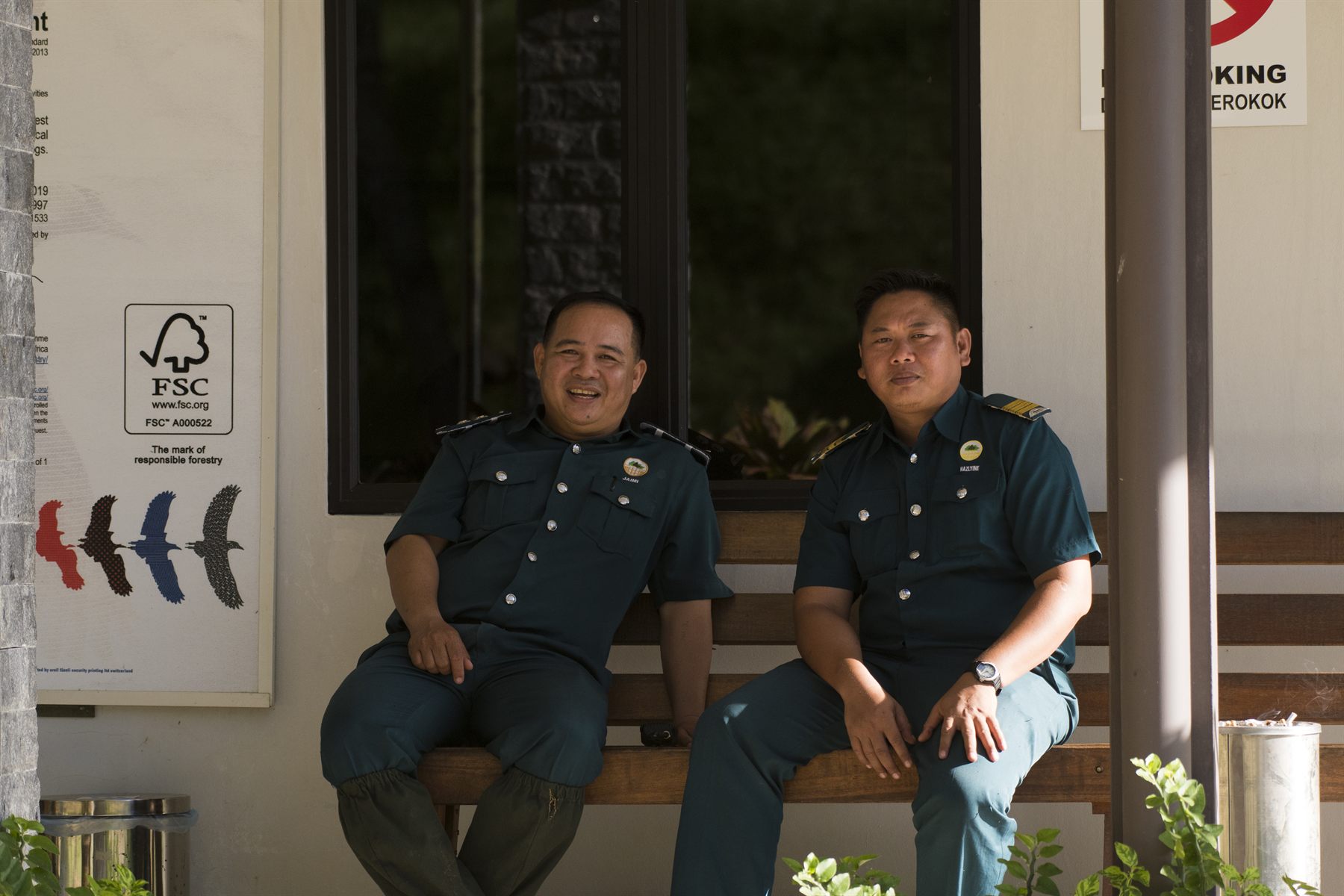
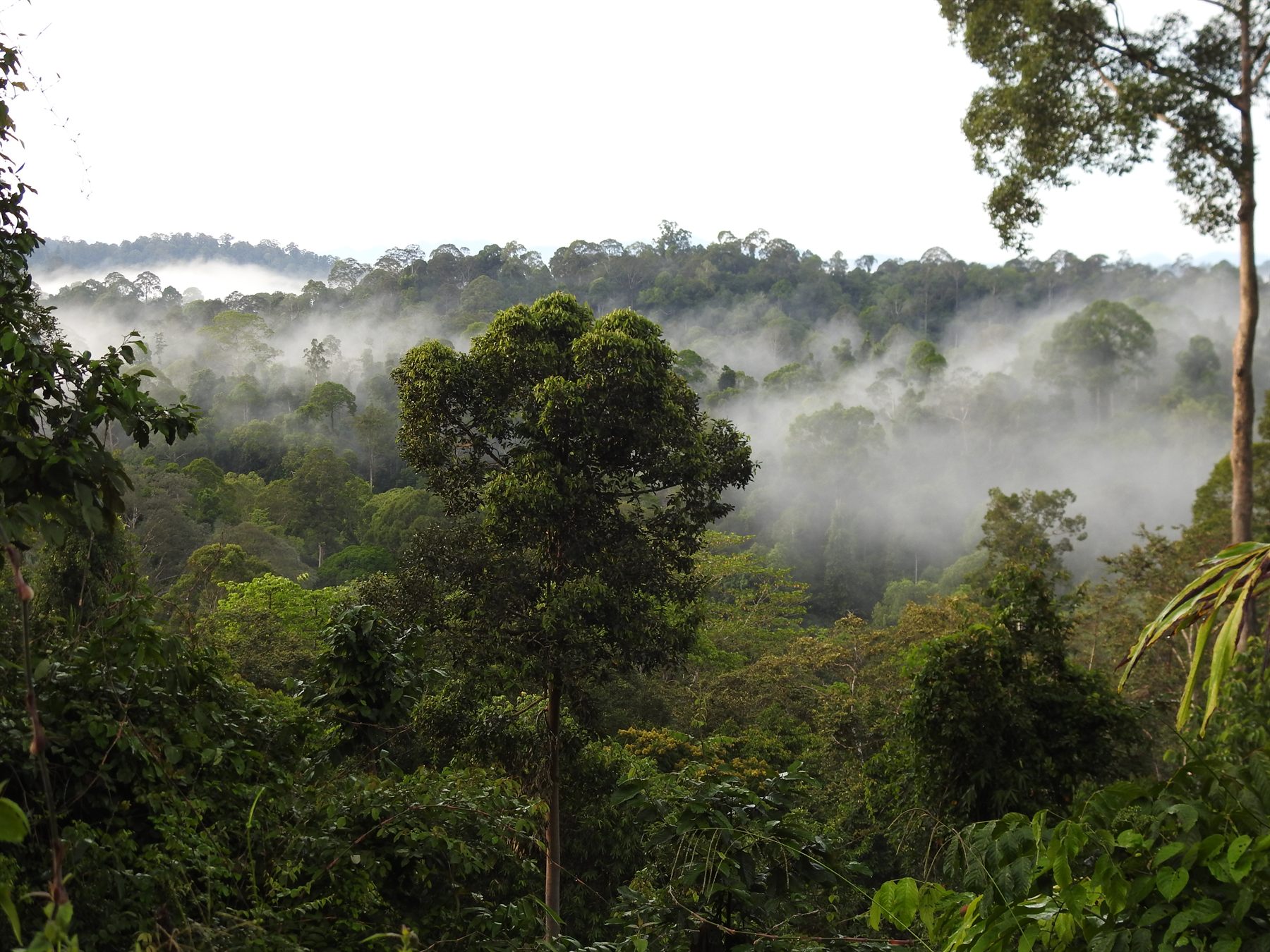
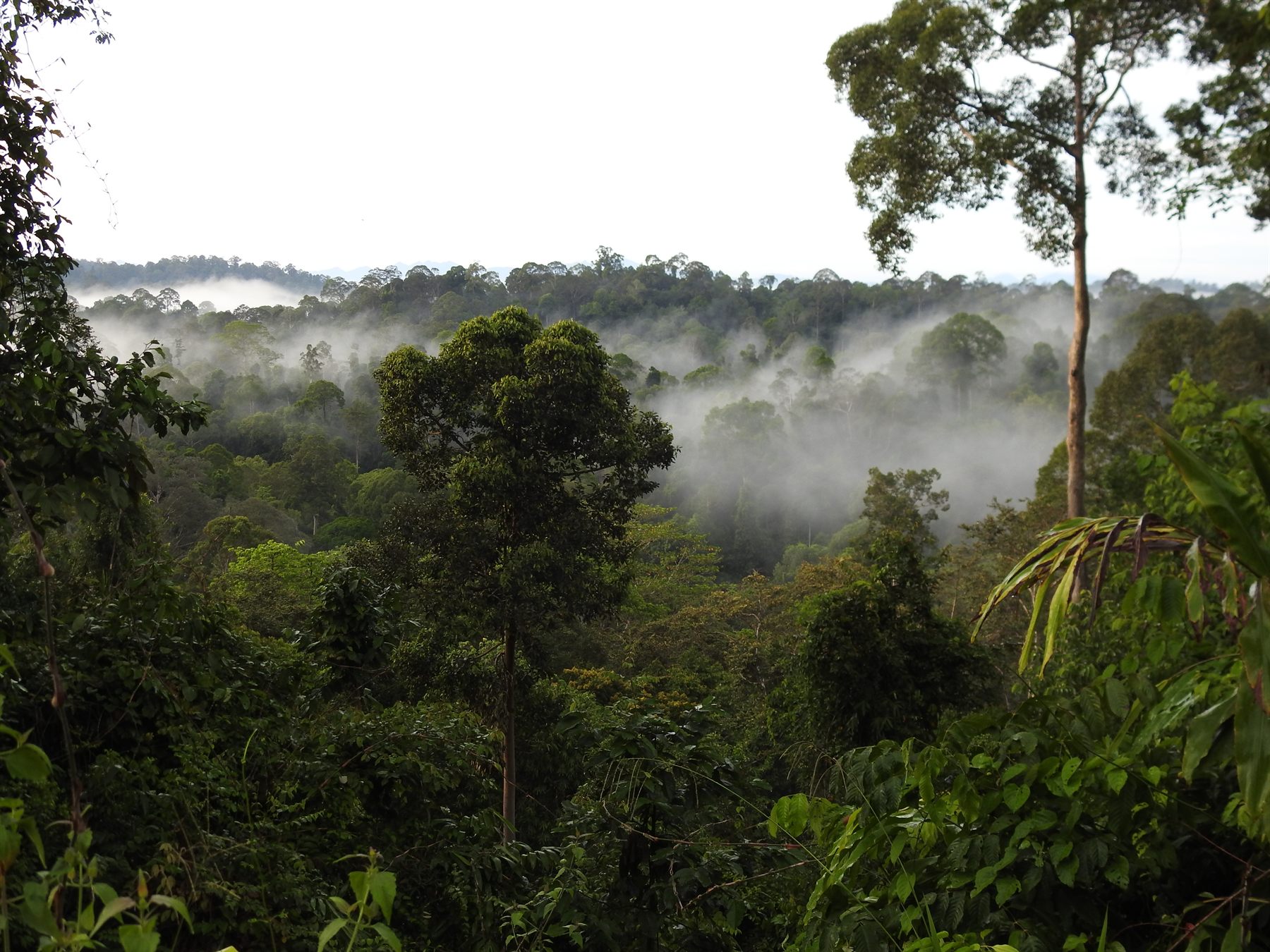
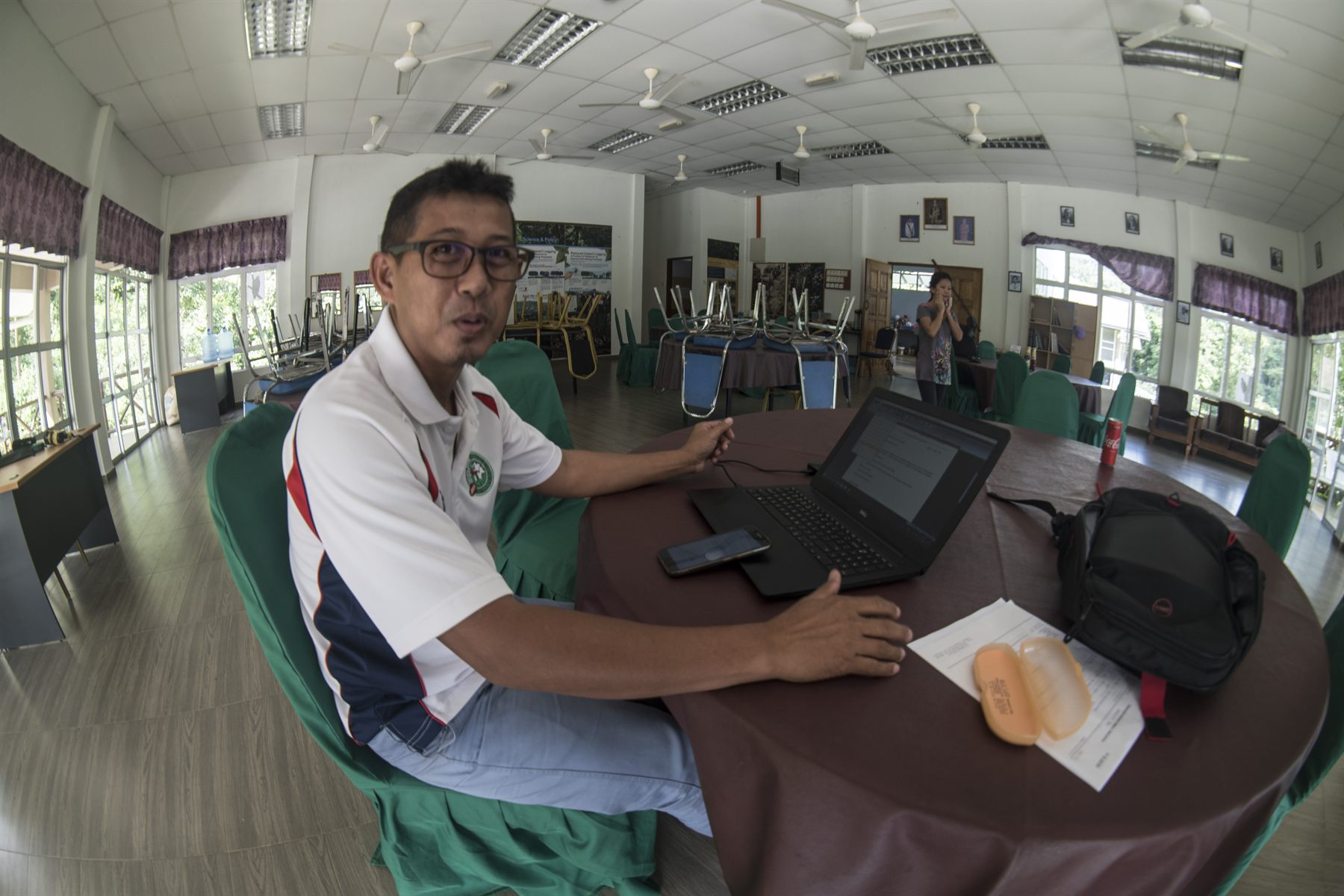
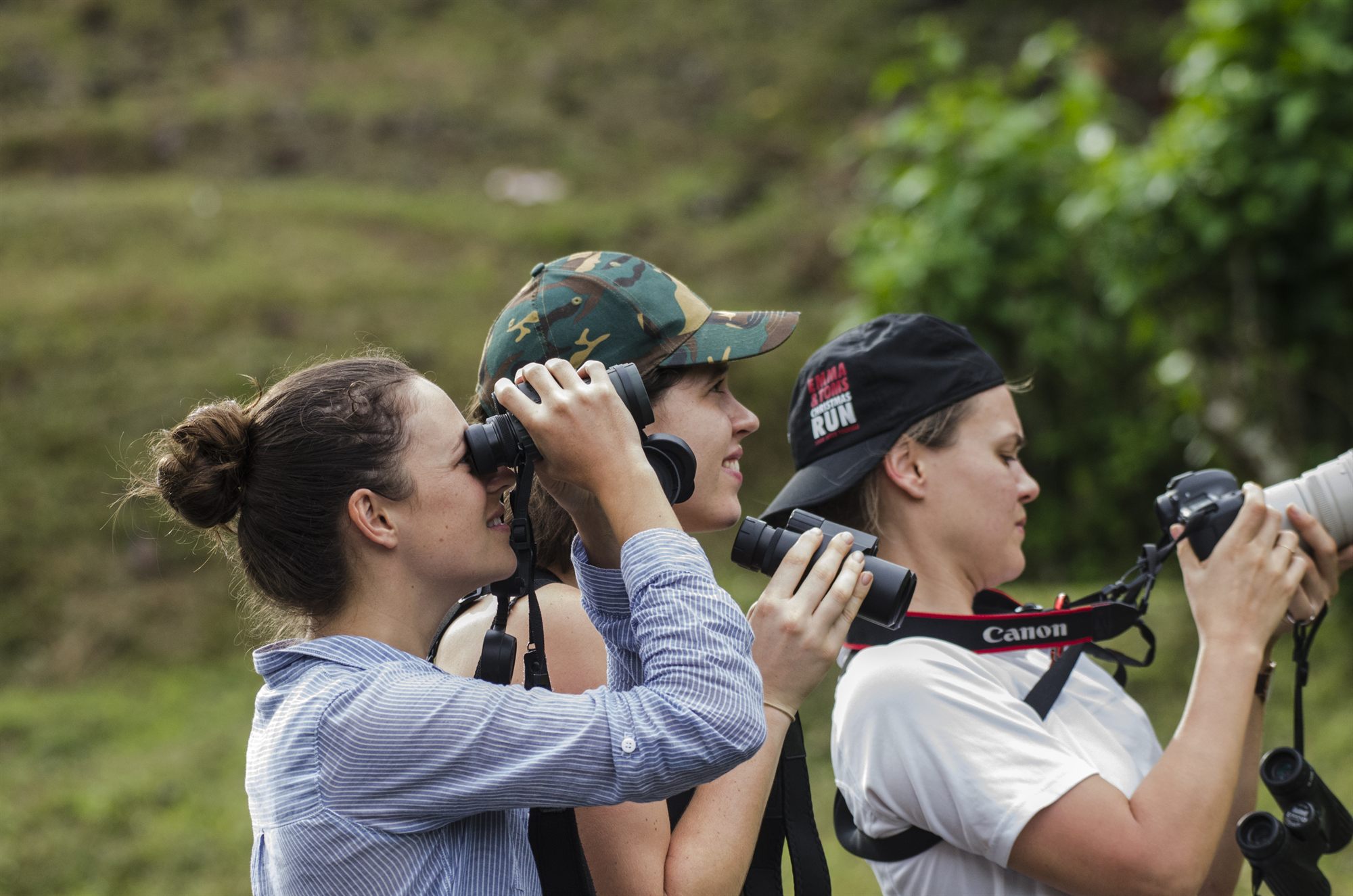
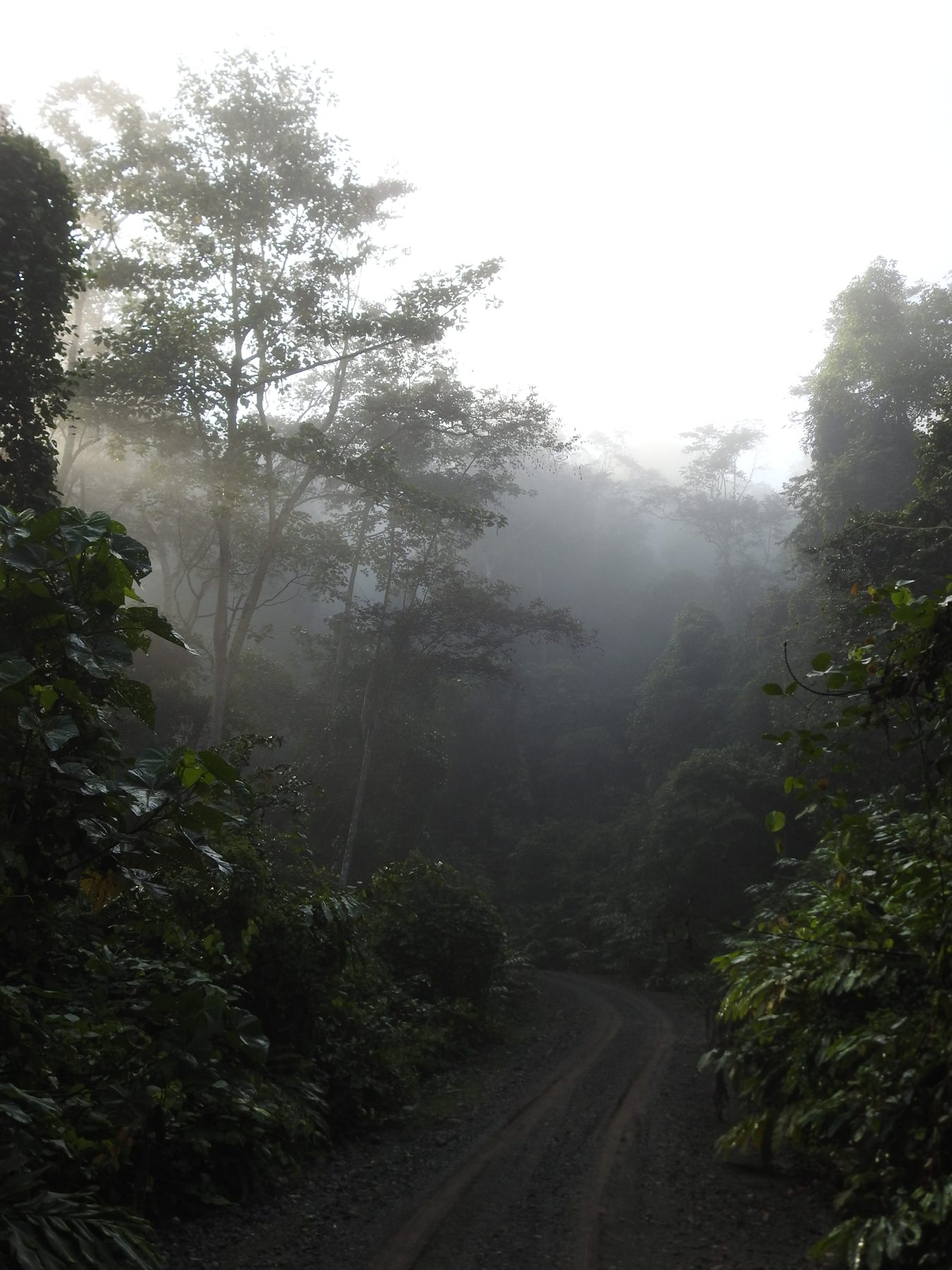
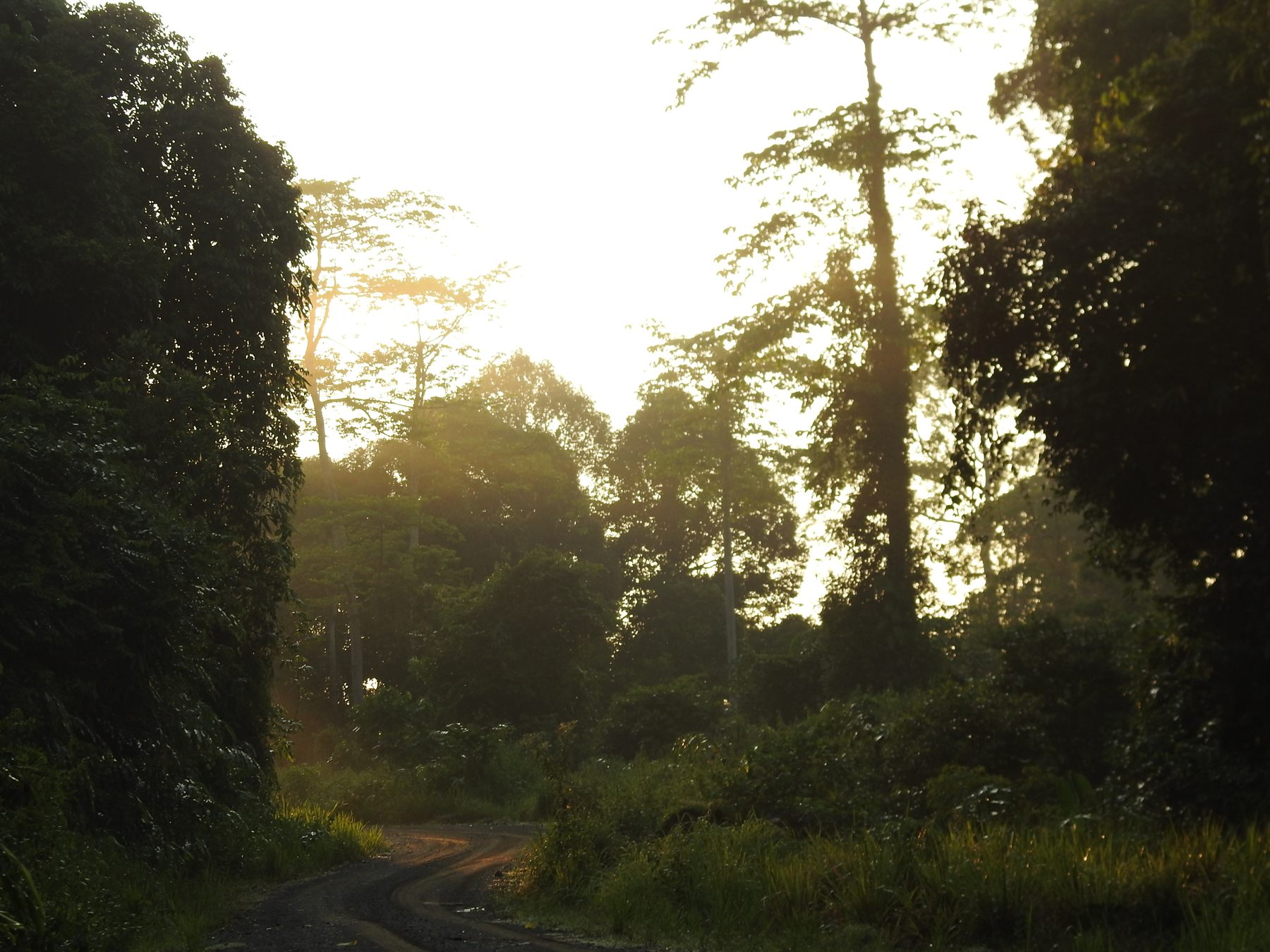
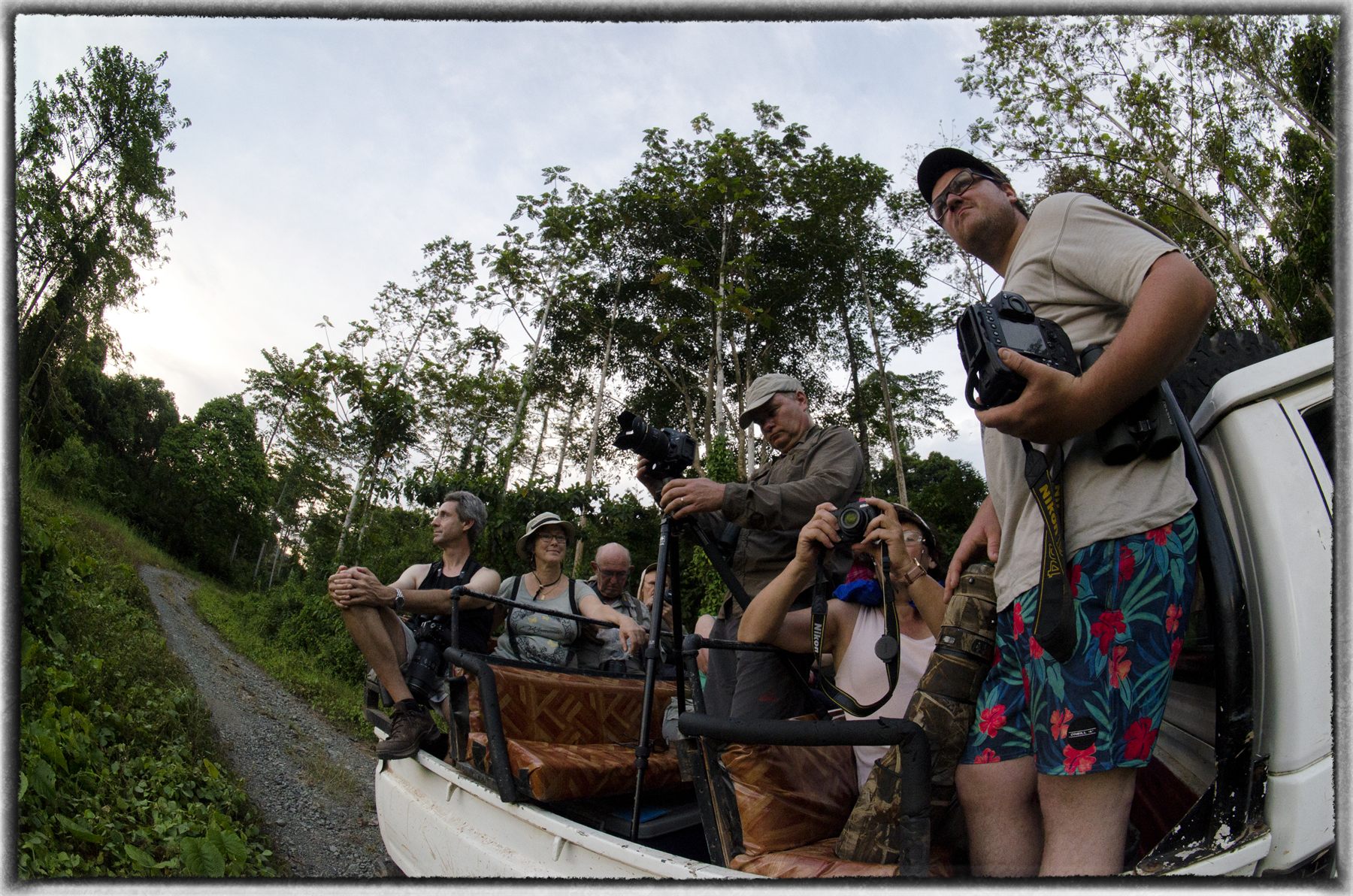
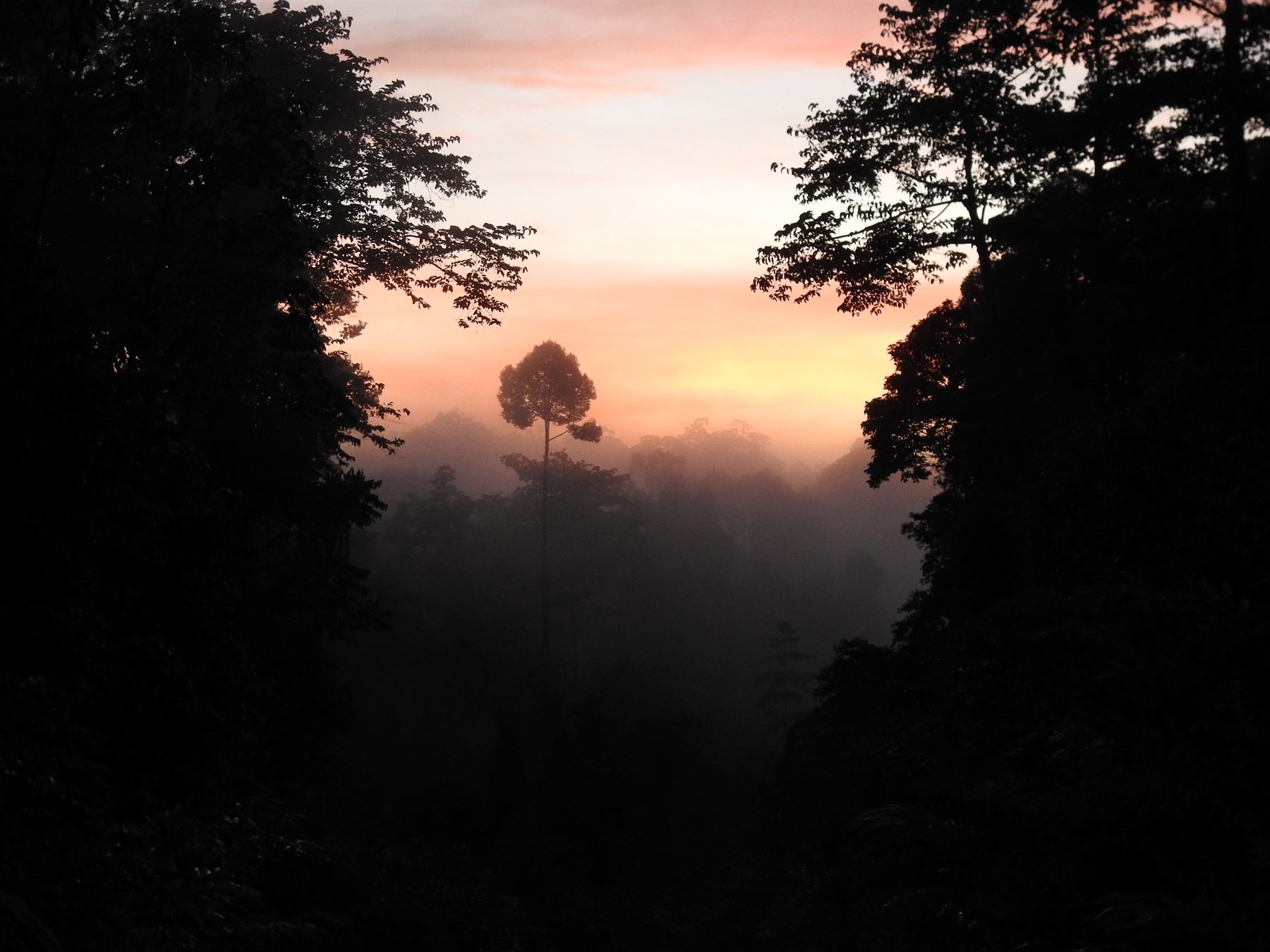
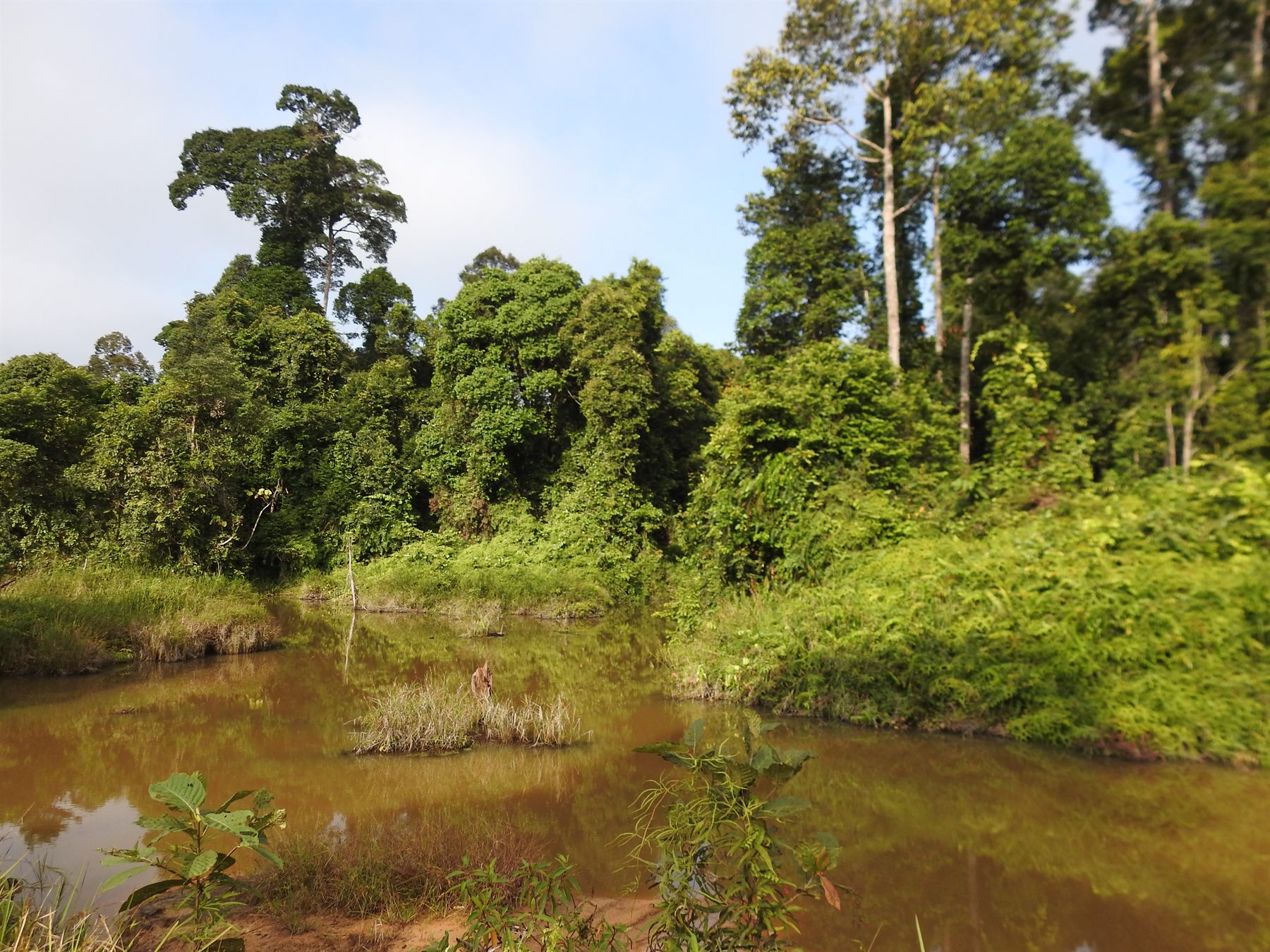
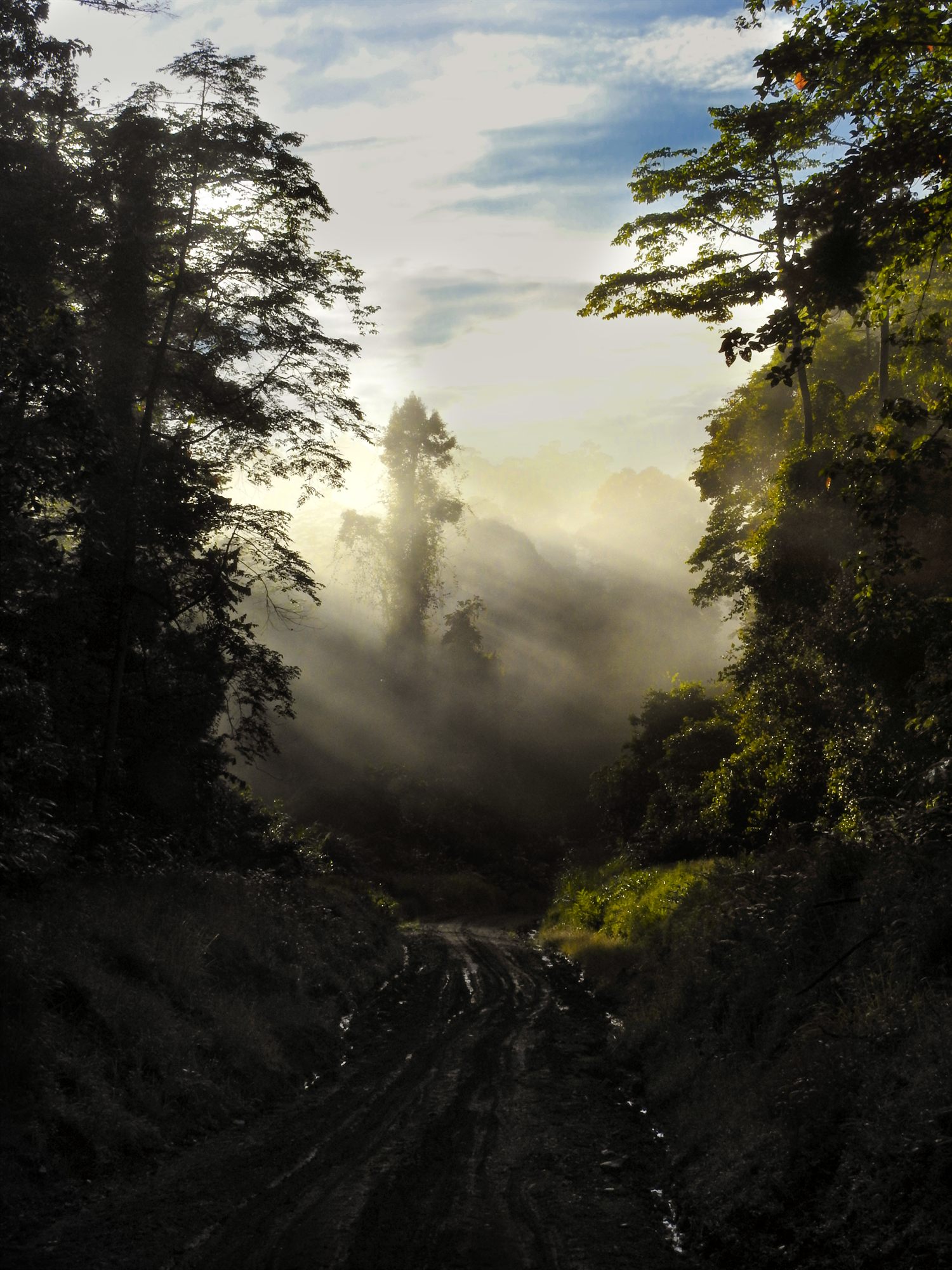
A 55,000-hectare forest reserve that has been logged under strict sustainable-forestry certification since the 1990s — proof that timber production and serious wildlife density aren't mutually exclusive. The wide, well-maintained network of old logging roads is what makes it exceptional: night drives along them are why Deramakot is the most famous place in the world to look for a Sunda clouded leopard. Visitor numbers are deliberately kept low, with licensed operators running small groups deep inside the reserve rather than at its edges.
Visit deramakot.com ›Top highlights
- Sunda Clouded Leopard
- Binturong
- Malay Civet
- Banded Civet
- Otter Civet
- Sunda Stink Badger
- Sunda Leopard Cat
- Sun Bear
- Bornean Bearded Pig
- Buffy Fish Owl
Where you'll stay / explore
Langom
Can't get a slot at Deramakot? Langom, near Danum Valley, runs similar 4x4 night-drive roads through old-growth and restored forest, with marbled cat and Bornean bristlehead among its regular sightings.
Accommodation
Guests stay at the Deramakot Reception Centre, the forestry headquarters. Rooms are clean, functional and air-conditioned, with en-suite or shared bathrooms and hot water, and there is a communal sitting room. A resident cook prepares three meals a day, and dietary needs are catered for with advance notice. Generator power normally runs through the night for charging, though it occasionally drops out. Wifi and mobile signal are now available.
Frequently asked questions
What is Deramakot Forest Reserve?
Deramakot is a 55,000-hectare forest reserve in Sabah that has been logged under strict sustainable-forestry certification since the 1990s. It is proof that timber production and serious wildlife density are not mutually exclusive, and its network of old logging roads makes it one of the best places in the world to watch wild mammals at night.
Can you see a Sunda clouded leopard at Deramakot?
Deramakot is the most famous place in the world to look for a Sunda clouded leopard, and a 2026 camera-trap study identified 52 individual adults over 15.5 years. A sighting is never guaranteed, so the number of nights you stay matters.
Which wild cats live at Deramakot?
All five of Borneo's wild cats have been recorded here: Sunda clouded leopard, marbled cat, Bornean bay cat, flat-headed cat and Sunda leopard cat. The bay cat in particular remains a matter of luck.
Which mammals can you see at Deramakot?
Regular sightings include Sunda leopard cat, binturong, slow loris, Malay civet, island palm civet, western tarsier, colugo, Sunda skunk, sambar deer, Bornean gibbon, orangutan and Bornean pygmy elephant. Sunda clouded leopard, marbled cat, sun bear, otter civet and Sunda pangolin are rare, but Deramakot is one of the best places in the world to see them.
How do you visit Deramakot?
Access is by permit only, and only a small number of licensed operators may take guests in. Trips run in 4WD vehicles with a maximum of 6 guests per vehicle and a minimum of 7 hours of spotlight driving a day. Fly into Sandakan, then travel about 2 hours by road to Telupid, where guests are met and transferred by 4WD for a 2–3 hour drive to the reserve.
Where do you stay at Deramakot?
Guests stay at the Deramakot Reception Centre, the forestry headquarters. Rooms are clean, functional and air-conditioned, with en-suite or shared bathrooms and hot water, and there is a communal sitting room. A resident cook prepares three meals a day, and dietary needs are catered for with advance notice. Generator power normally runs through the night for charging, though it occasionally drops out. Wifi and mobile signal are now available.
How many nights do you need at Deramakot?
Seven nights is the standard for a mammal-watching group, and some operators run fourteen-night trips here. More nights at fewer sites gives better odds than a short visit.
When is the best time to visit Deramakot?
Sabah is somewhat wetter from roughly November to February, when the unsealed roads are at their worst, but it is also quieter. Rain is possible in any month and a wet night is not a lost night: some of the best sightings come soon after rain.
What if you cannot get a slot at Deramakot?
Langom, near Danum Valley, runs similar 4x4 night-drive roads through old-growth and restored forest. Beluran, Trusan Sugut and Maliau Basin are newer places using the same long night-drive approach.
Related guides
Mammal Watching in Borneo · Beluran Safaris · Tabin Wildlife Reserve