 Wildlife
of Borneo
Danum Valley
Pristine forest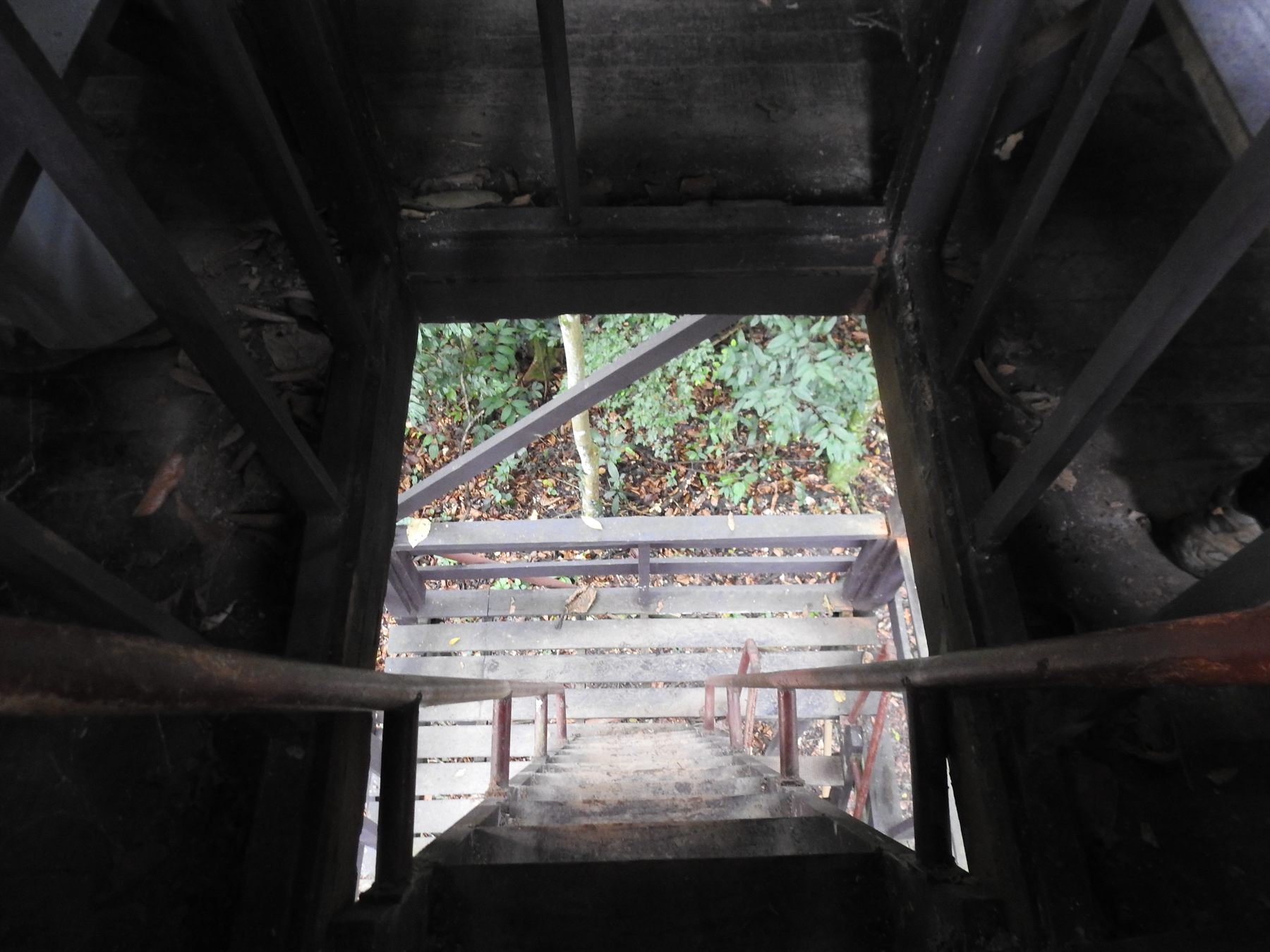
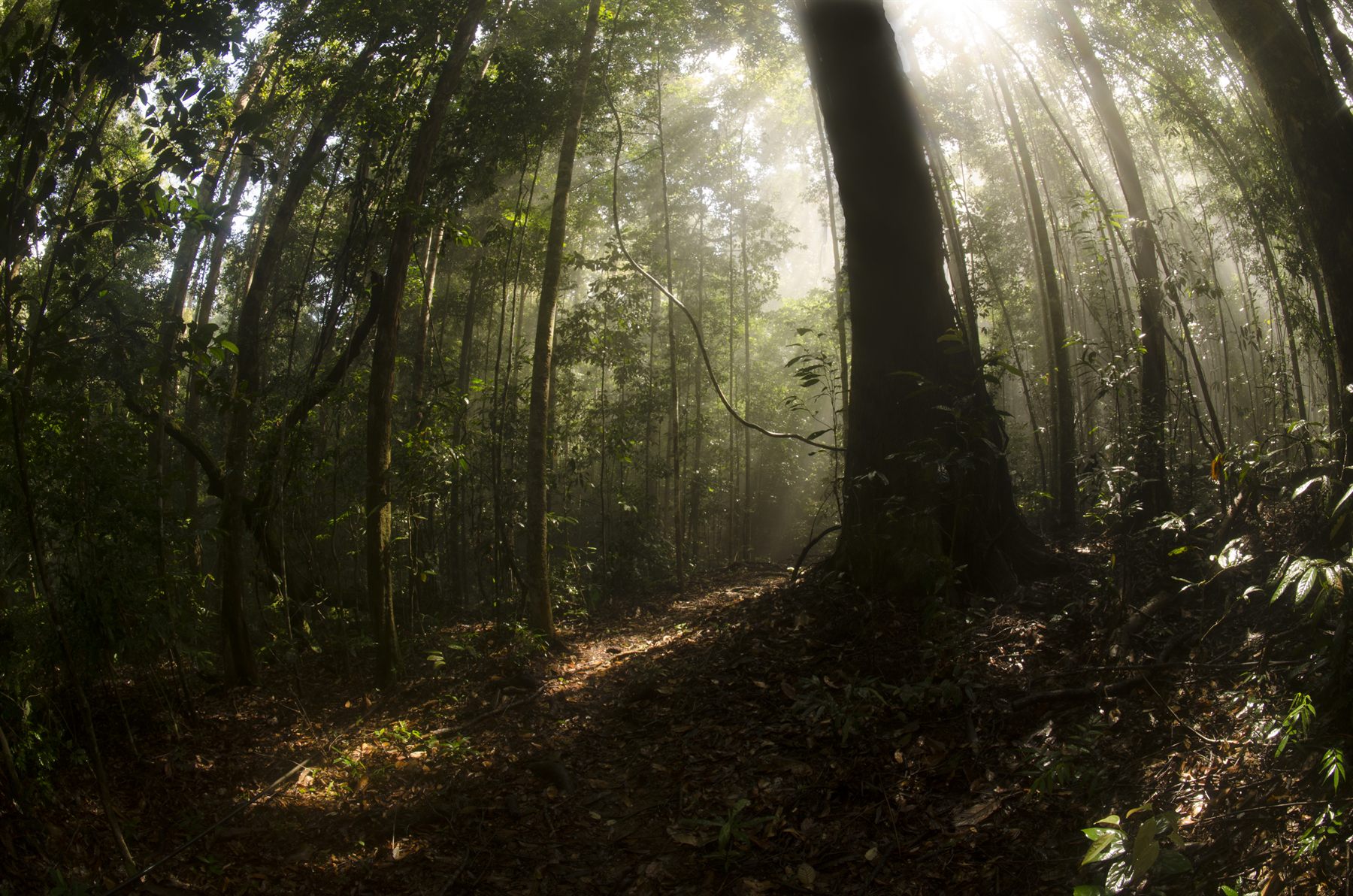
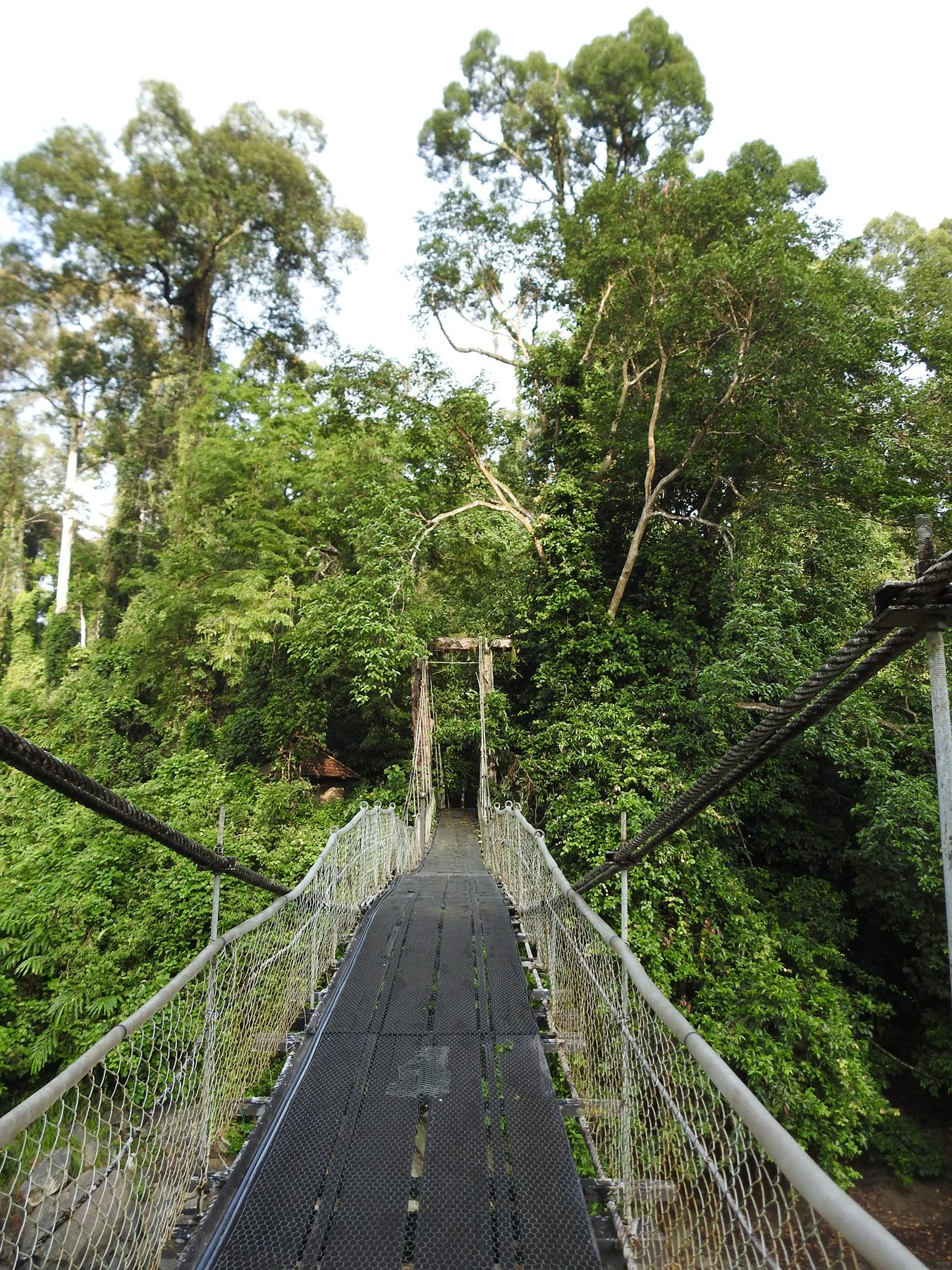
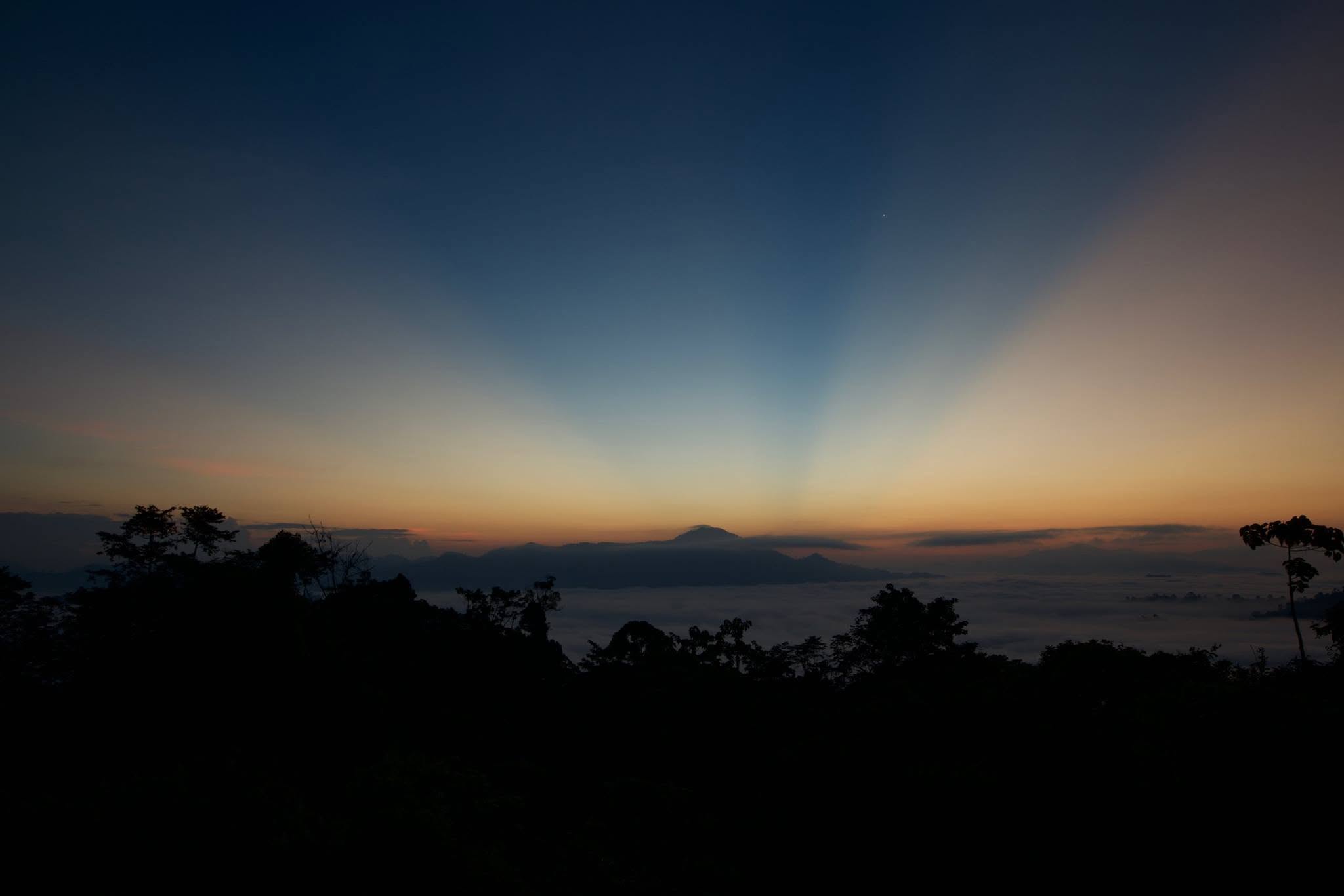
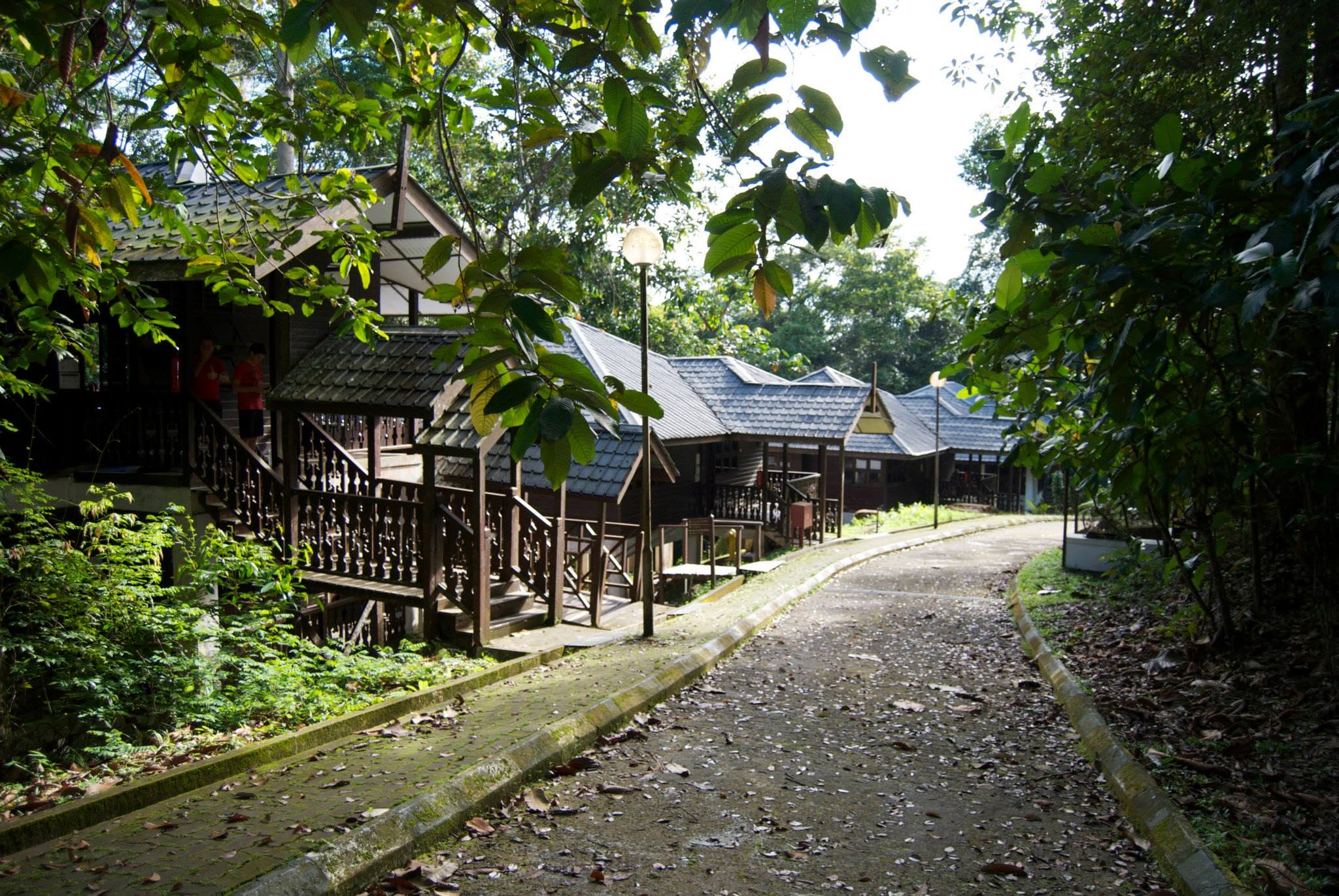
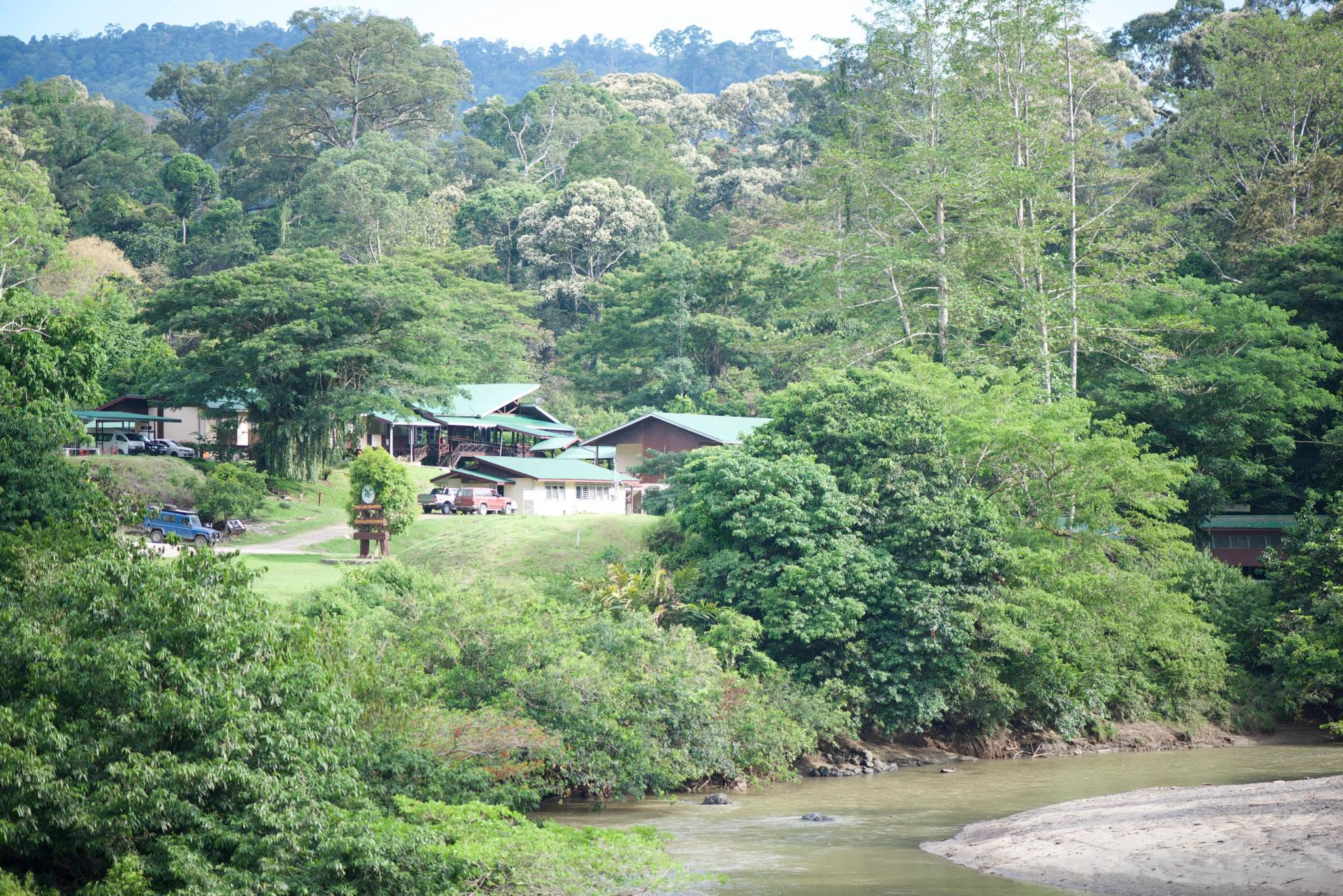
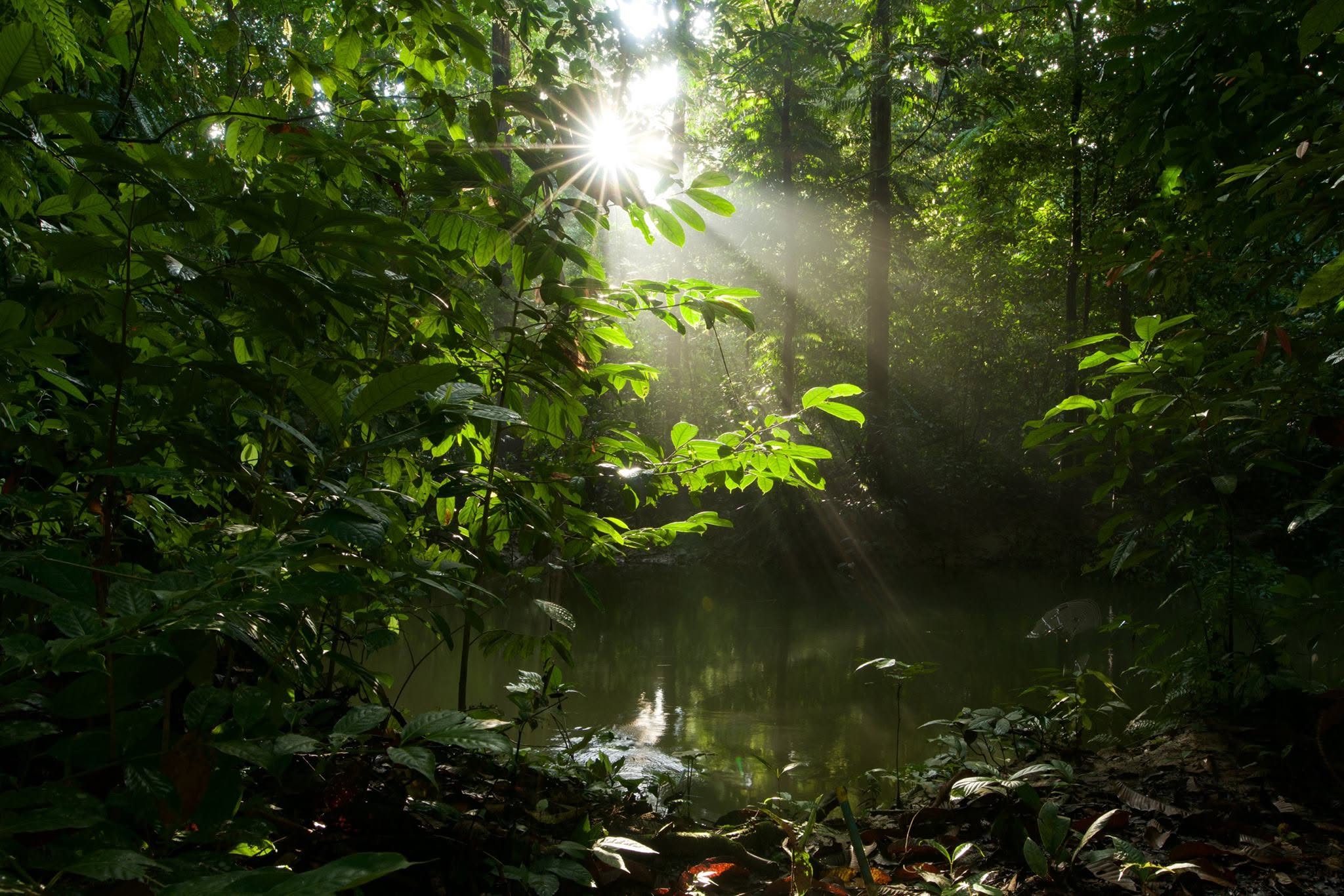
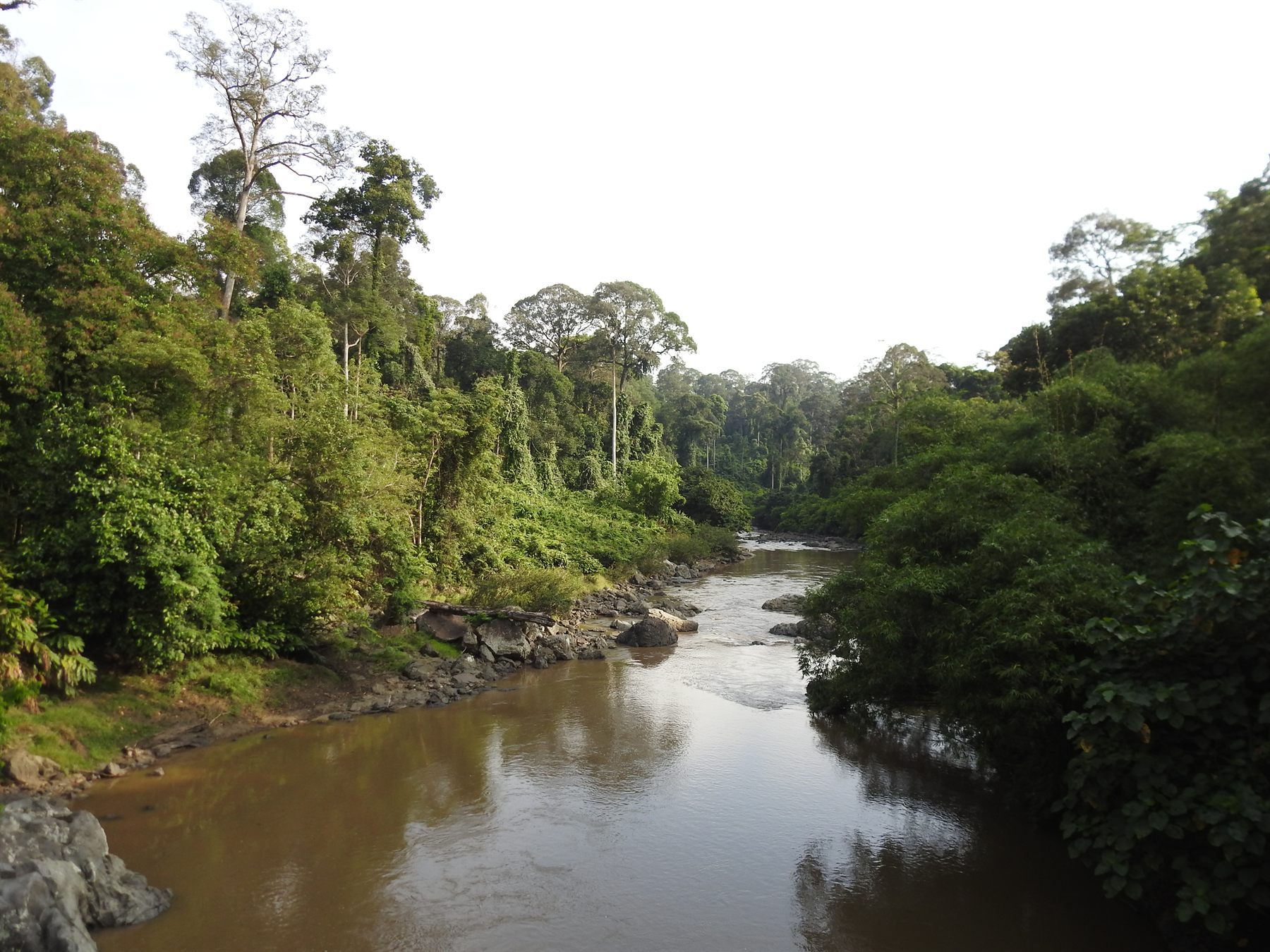
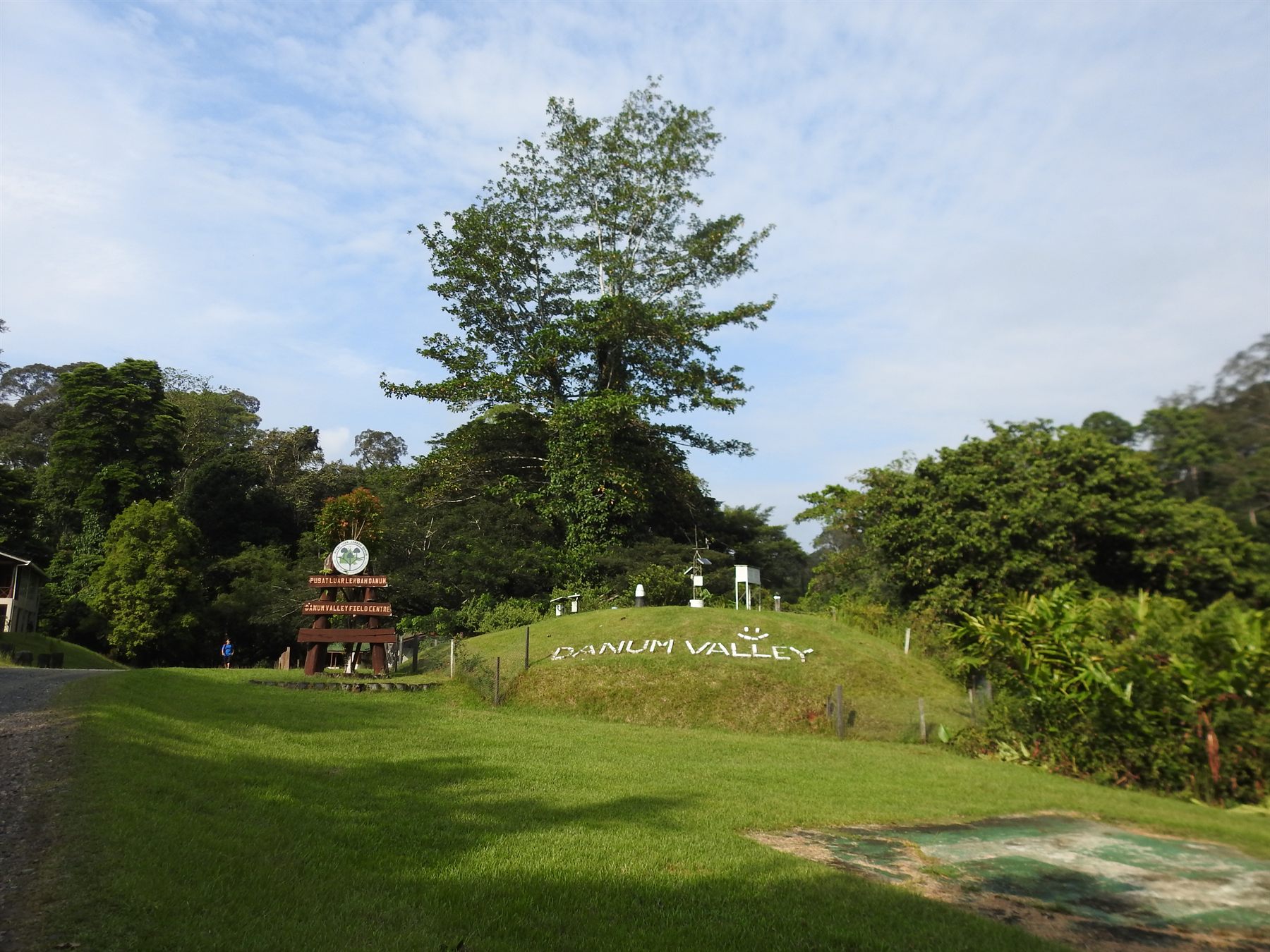
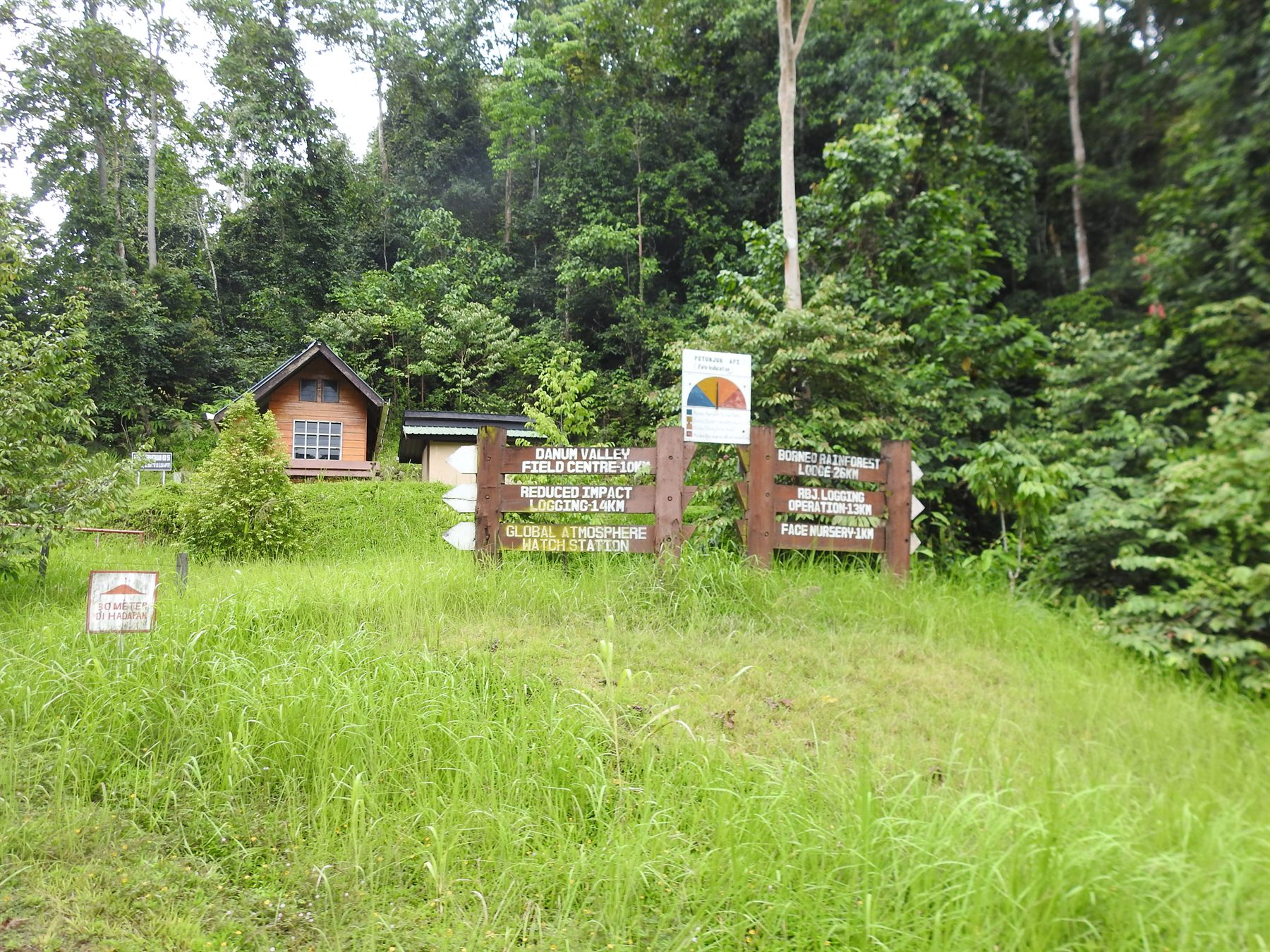
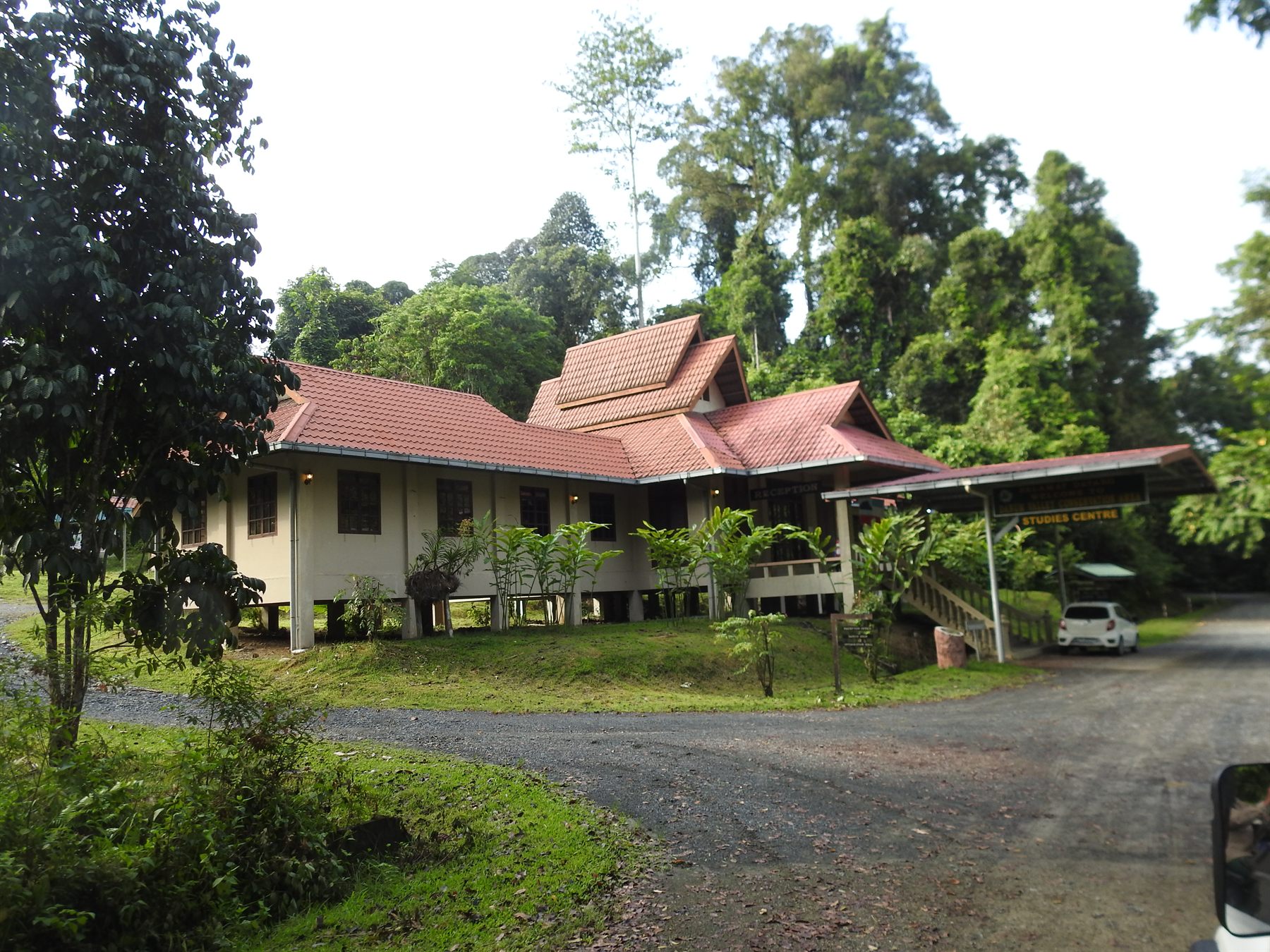
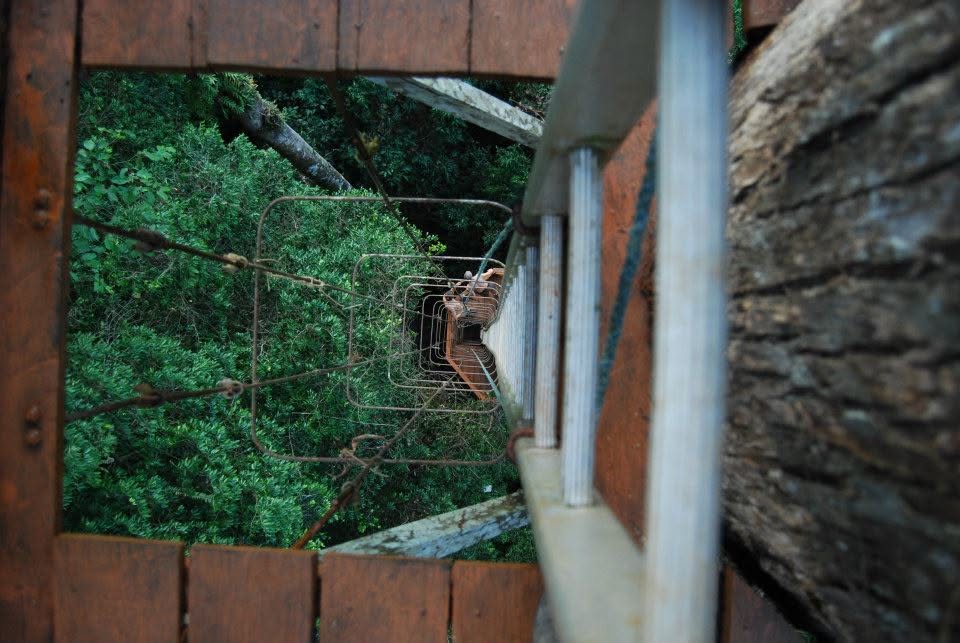
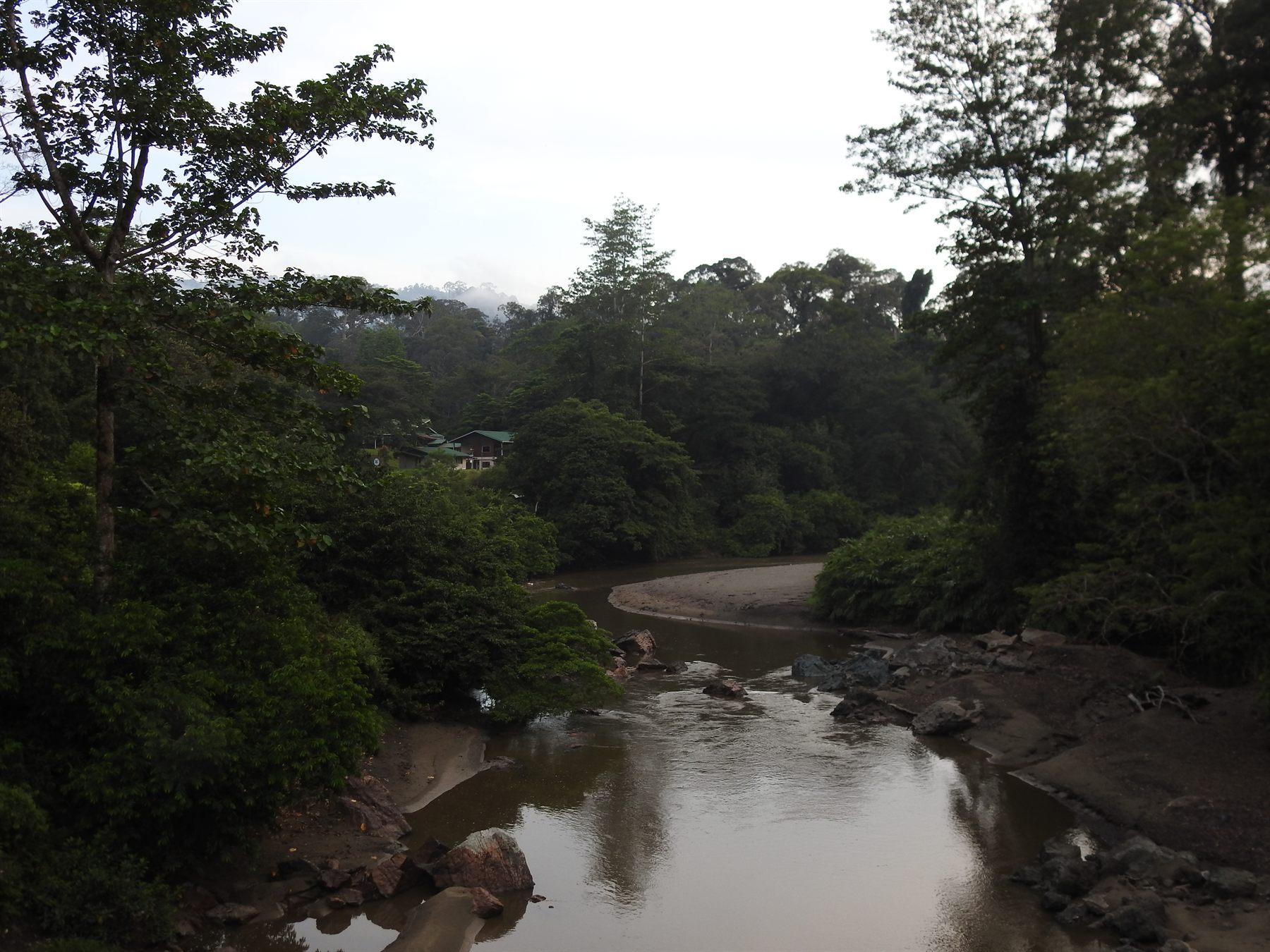
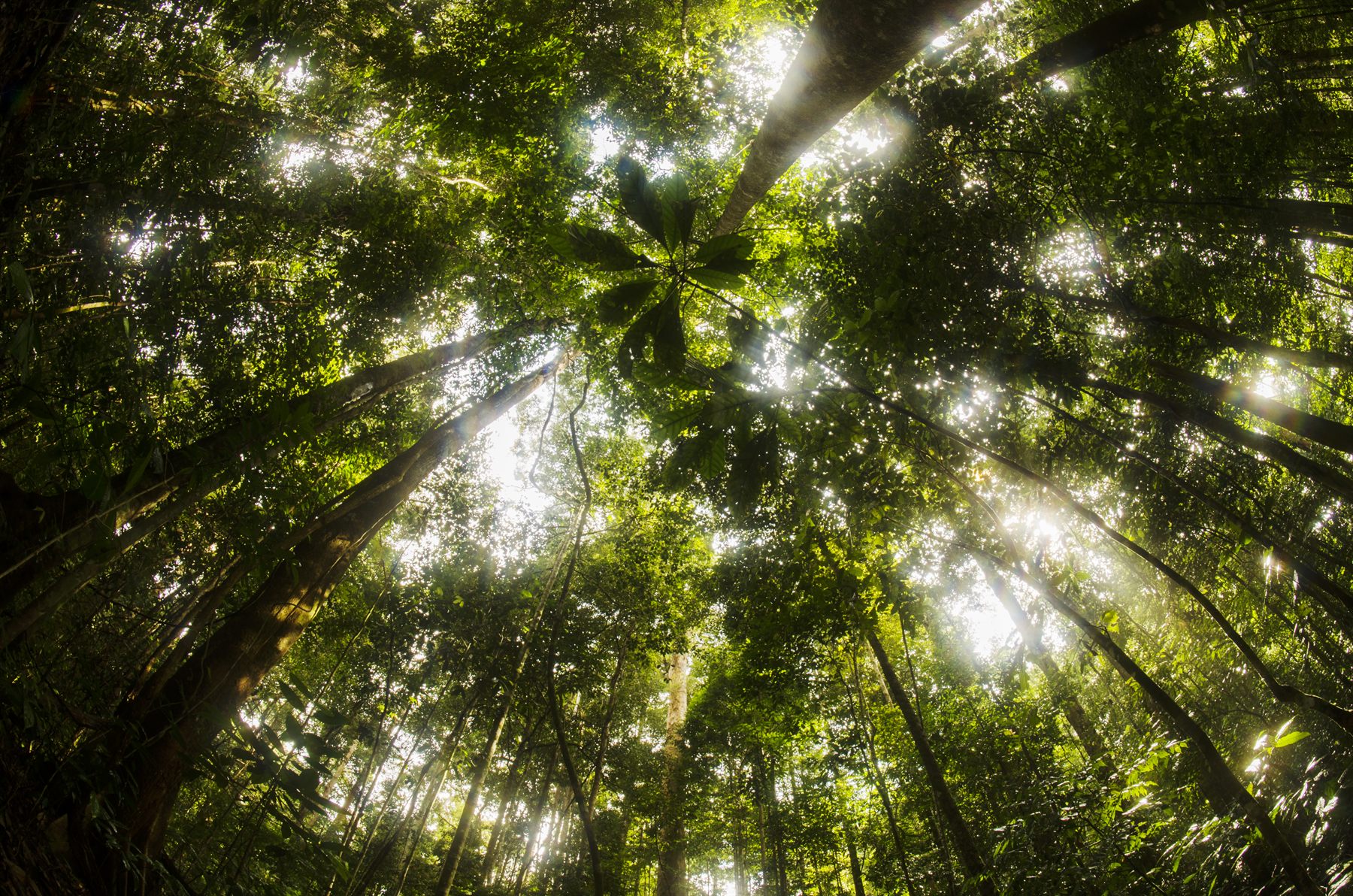
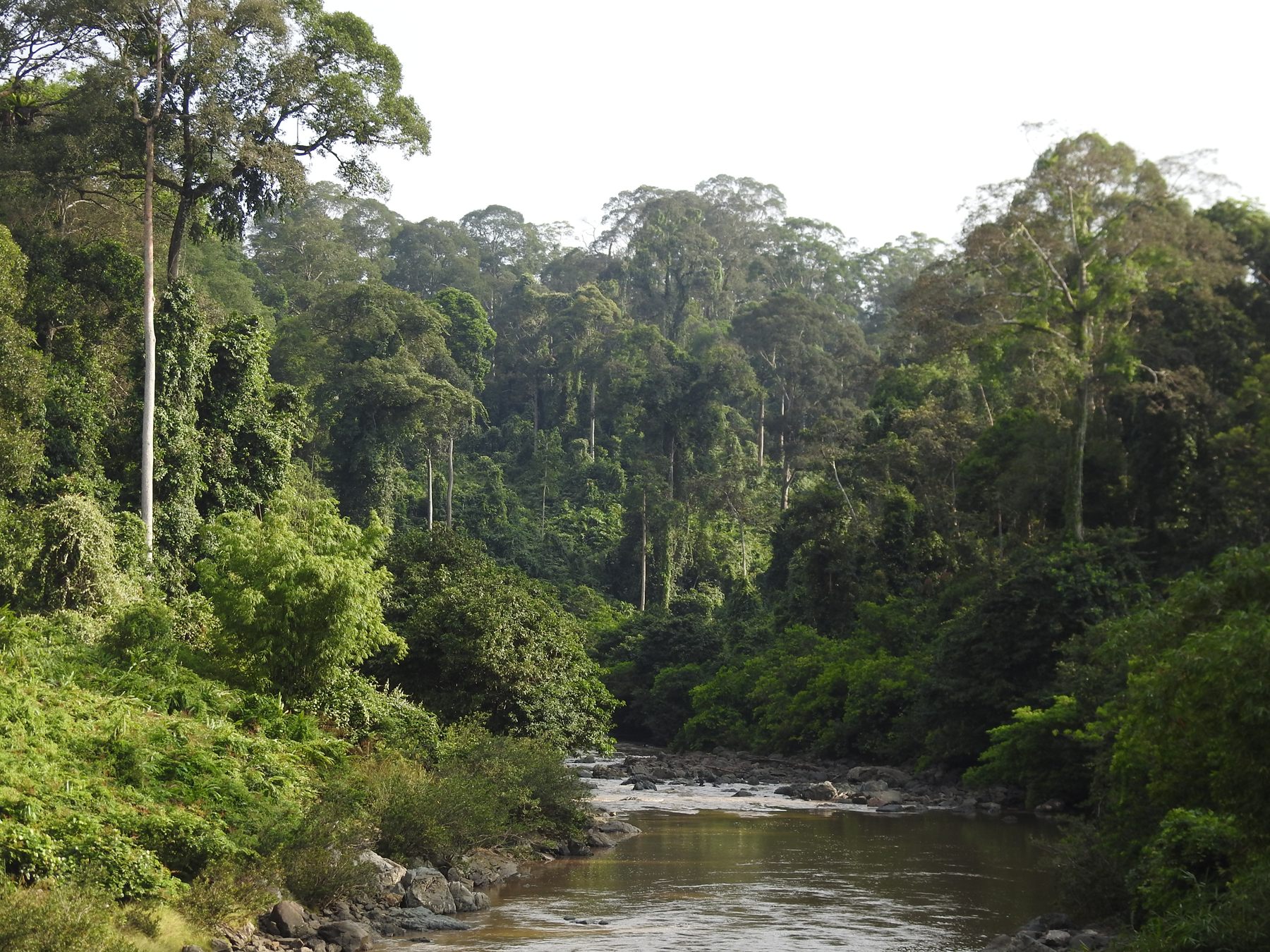
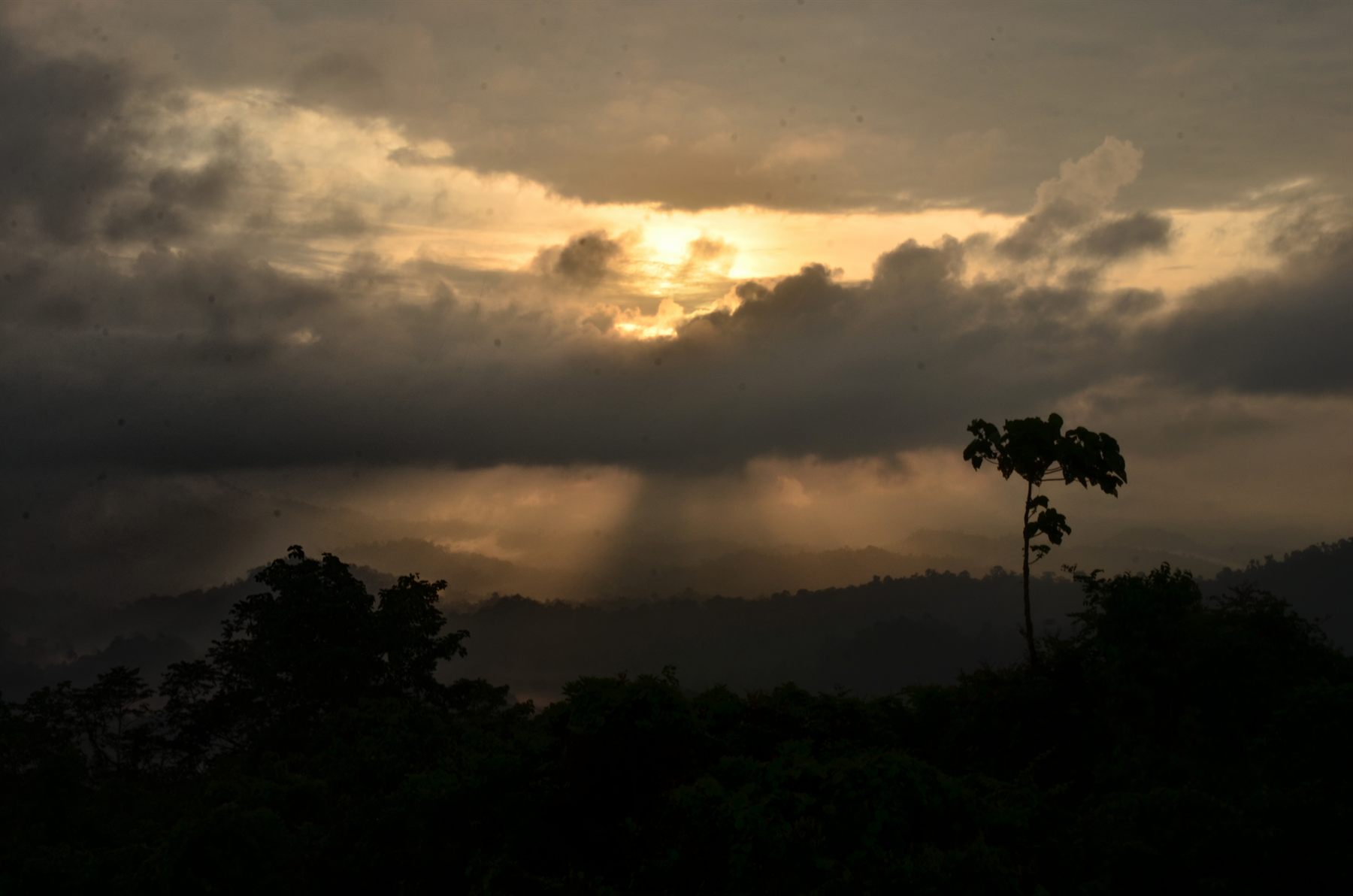
One of the most complete stretches of lowland dipterocarp rainforest left standing anywhere — 438 square kilometres that has never been commercially logged, giving it a density and height of old-growth canopy that's rare even within Borneo. It's been a hub for tropical ecology research since the 1980s, including a long-running Sunda clouded leopard project, and the resulting body of knowledge means guides here can find and interpret wildlife other sites simply can't. A 27-metre-high canopy walkway puts you at eye level with hornbills and gibbons rather than craning upward from the forest floor.
Top highlights
- Sunda Clouded Leopard
- Bornean Orangutan
- Bornean Gibbon
- Red Giant Flying Squirrel
- Great Argus
- Western Tarsier
- Sun Bear
- Bornean Banded Pitta
- Helmeted Hornbill
- Marbled Cat
Where you'll stay / explore
Borneo Rainforest Lodge
Award-winning riverside eco-lodge inside the Conservation Area, with a 27-metre canopy walkway and capped guest numbers for low-pressure wildlife viewing.
Danum Valley Field Centre
The original research station at the heart of the Conservation Area — functional accommodation with direct trail access into 438 km² of unlogged primary forest.
Langom
A newly opened research station close enough to the Field Centre to use its trails, plus its own 4x4 night-drive routes through a mosaic of old-growth, restored and riparian forest.
Infapro
Built around a long-running rainforest restoration project just outside the Conservation Area — a lower-cost base with productive night drives through regenerating forest.
Accommodation
The Conservation Area spans several accommodation tiers: the upmarket Borneo Rainforest Lodge, the basic, research-oriented Field Centre, and lower-cost options at Infapro and the newer Langom station — see each below for details.