 Wildlife
of Borneo
Bornean Orangutan
Primates/dario-bornean-orangutan-male.jpg)
/jl-orangutan.jpg)
/orangut32an.jpg)
/u_big_boy_durian_muncher.jpg)
/u_bini_mau_lugus.jpg)
/u_male_orangutan_chilled.jpg)
/u_mummy_and_baby_mawas.jpg)
/u_young_orangutan.jpg)
/WhatsApp%20Image%202026-07-12%20at%207.52.55%20PMhhhhhh.jpeg)
/jh-bornean-orangutan.jpg)
/jh-bornean-orangutan-deramakot.webp)
Pongo pygmaeus
Basic stats
Diet
Fruit (especially figs), leaves, bark, insects, occasionally soil
Habitat
Lowland to hill dipterocarp rainforest, peat swamp forest
Range
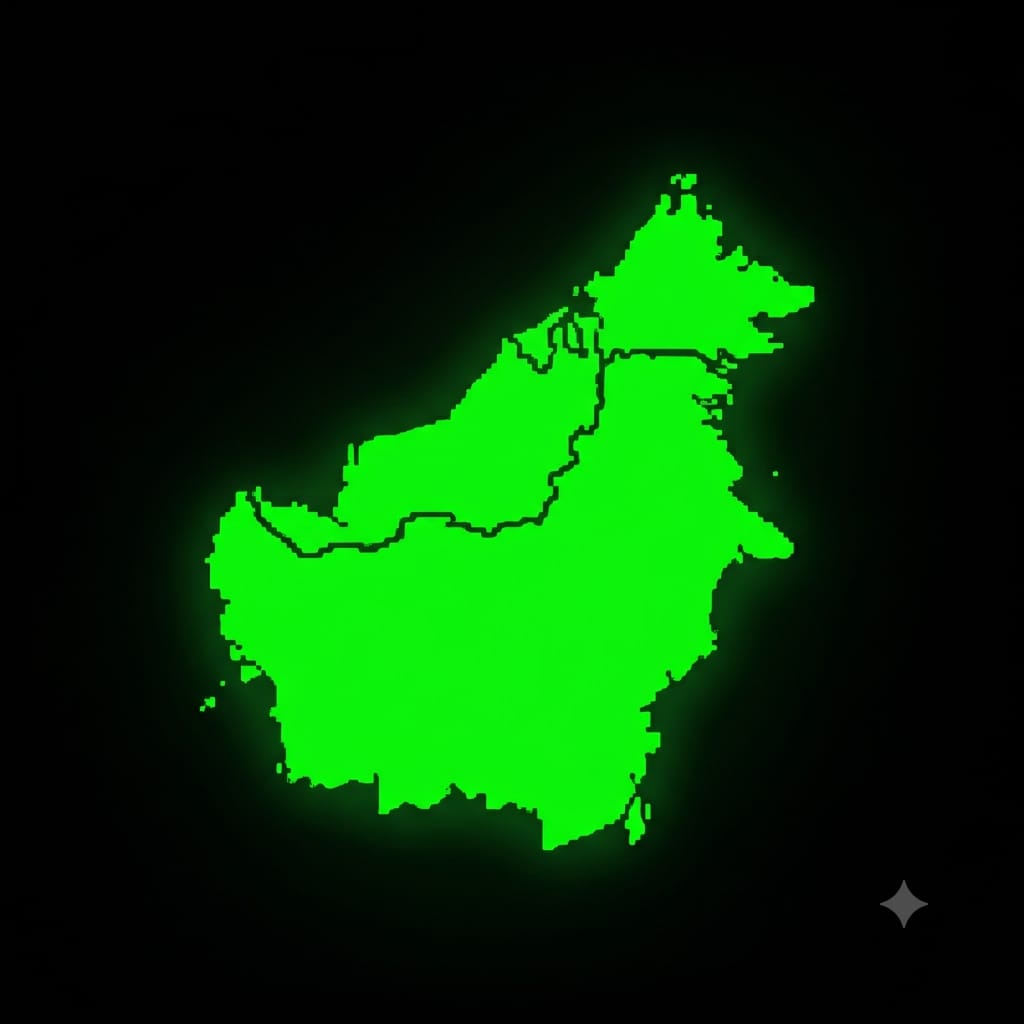
Endemic to Borneo (Sabah, Sarawak, Kalimantan, Brunei)
Litter size
1 (twins extremely rare)
Gestation period
About 8.5 months (254–275 days)
Size
Large (head-body 78–97cm)
Weight
Males 50–90kg; females 30–50kg
The largest arboreal mammal on Earth, and Borneo's most iconic species. Males exist in two forms: 'flanged' males develop wide cheek pads, an enlarged throat sac used for the long call, and greater bulk, while 'unflanged' males lack these traits but remain fully fertile. The switch to flanged form is not fixed to an age — it has been recorded from the mid-teens to past 30 years old, and some males never flange at all; social stress appears to delay or suppress the transition. Their shaggy reddish coat and immense arm span suit a life spent almost entirely in the canopy, where they build a fresh sleeping nest of bent branches most nights.
Orangutans are largely solitary and among the slowest-breeding of all mammals: a long-term dataset spanning 1971–2011 at Tanjung Puting found Bornean females wait an average of about 7.6–7.7 years between births, longer than the roughly 9.3-year interval recorded for Sumatran orangutans at Ketambe — the longest interbirth interval of any mammal, and a key reason population recovery from habitat loss is so slow. They are most reliably seen at Kinabatangan, Tabin, Danum Valley and Deramakot, usually feeding quietly high in fruiting trees; listen for falling fruit husks and branch movement as the first clue.
Critically Endangered (IUCN, assessed 2016), with the population estimated to have fallen by more than 60% between 1950 and 2010 and projected to fall by over 80% across three generations (1950–2025). Lowland forest loss and fragmentation from logging and agriculture are the primary threats across Sabah.