 Wildlife
of Borneo
Gunung Mulu National Park
Montane / UNESCO caves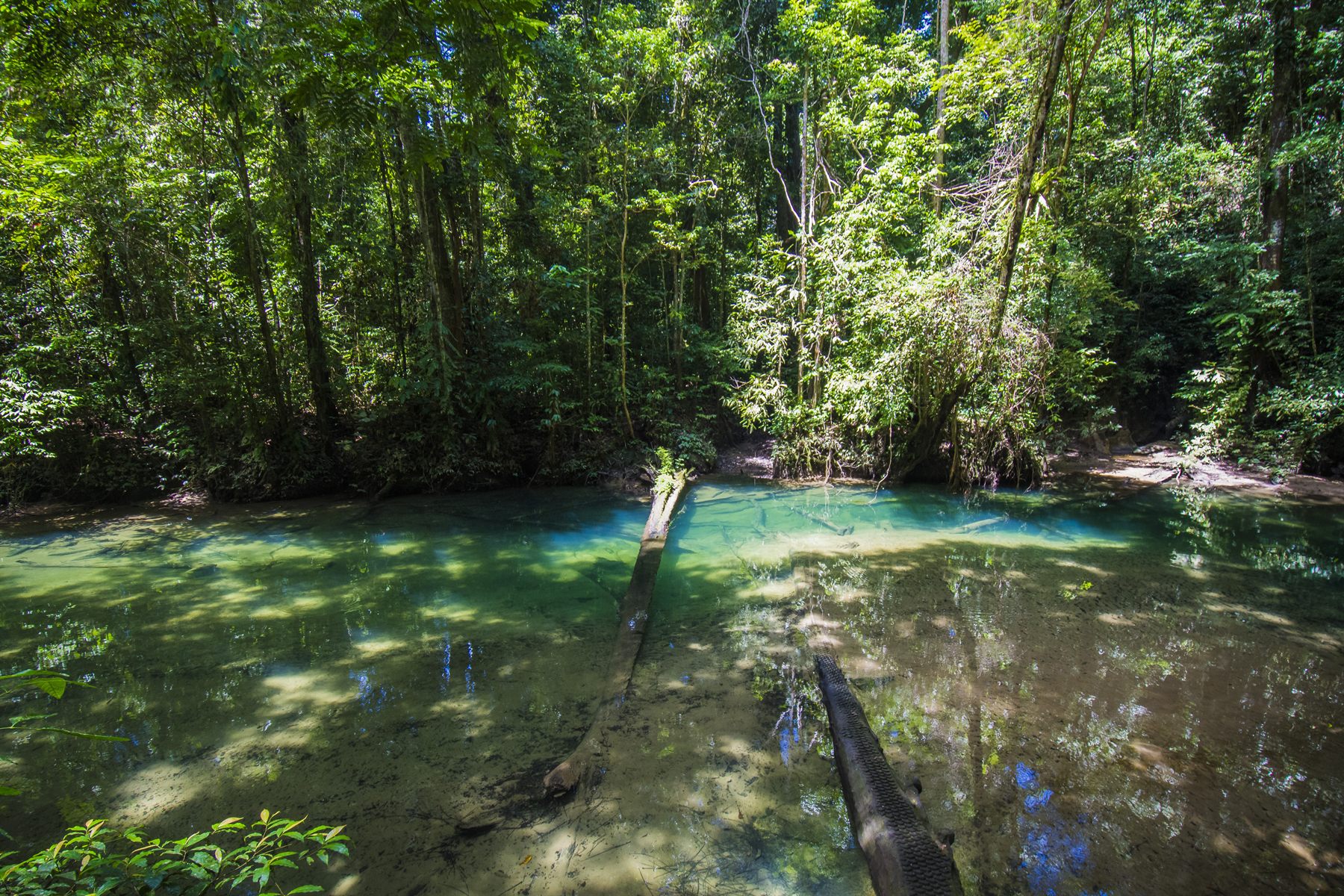
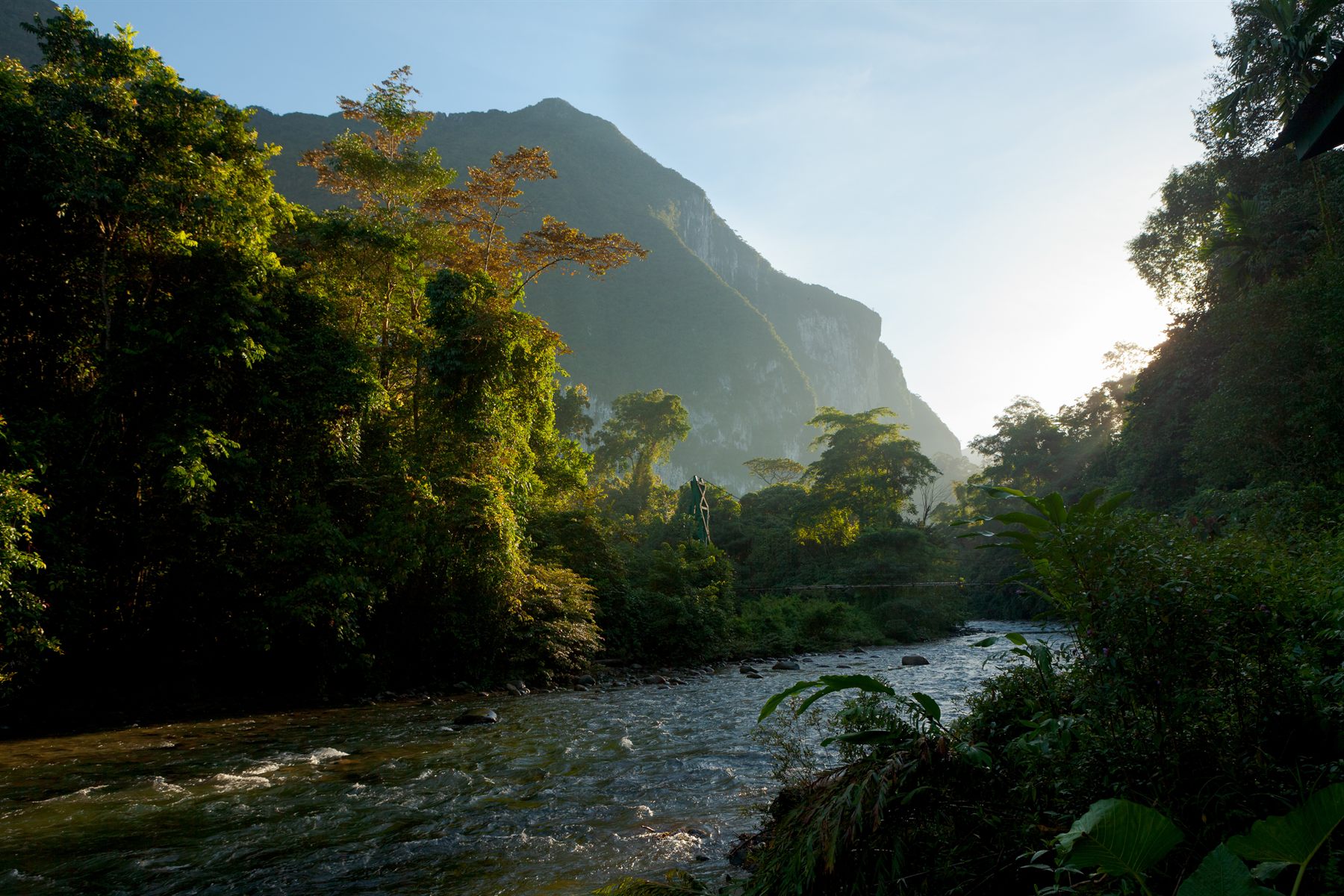
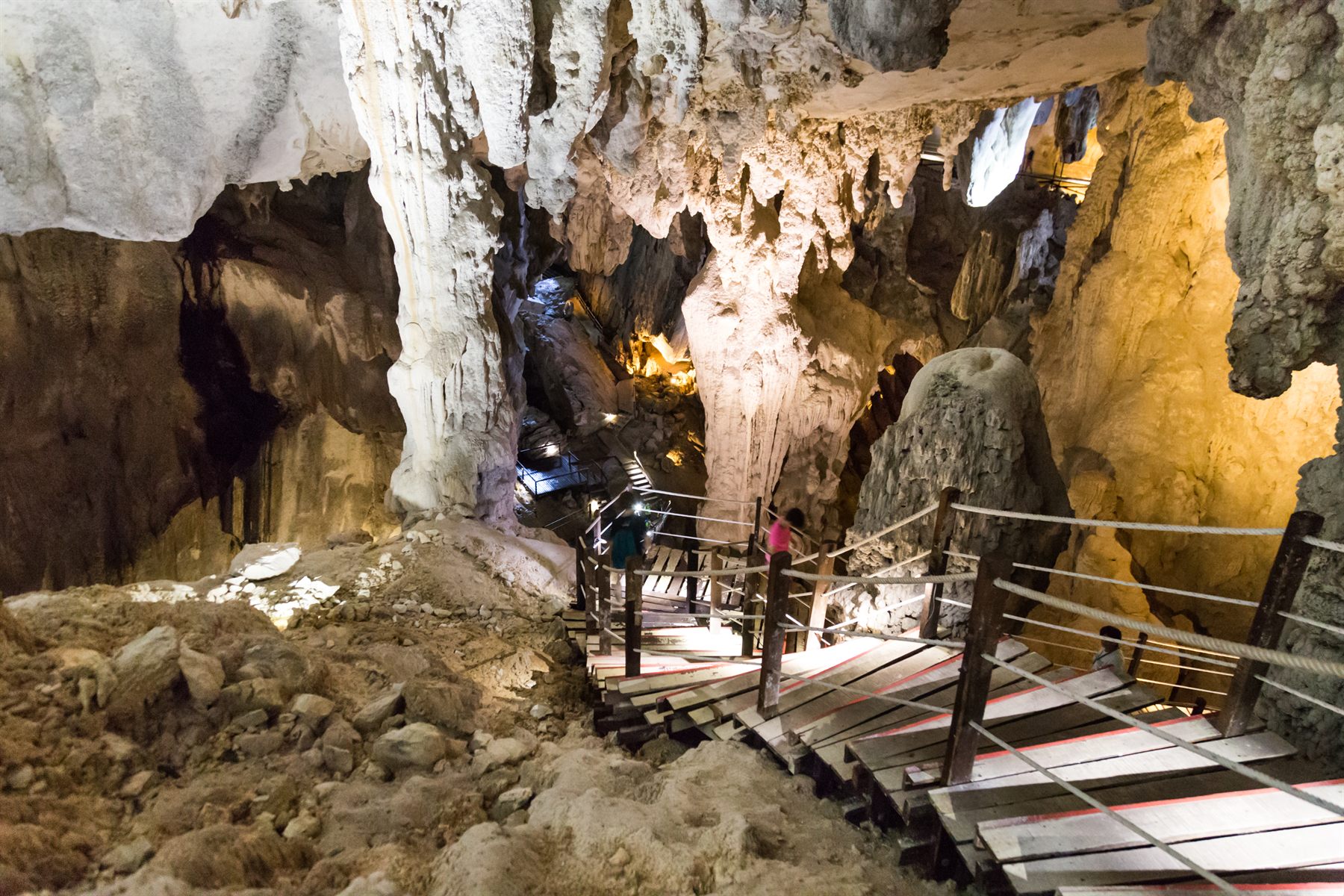
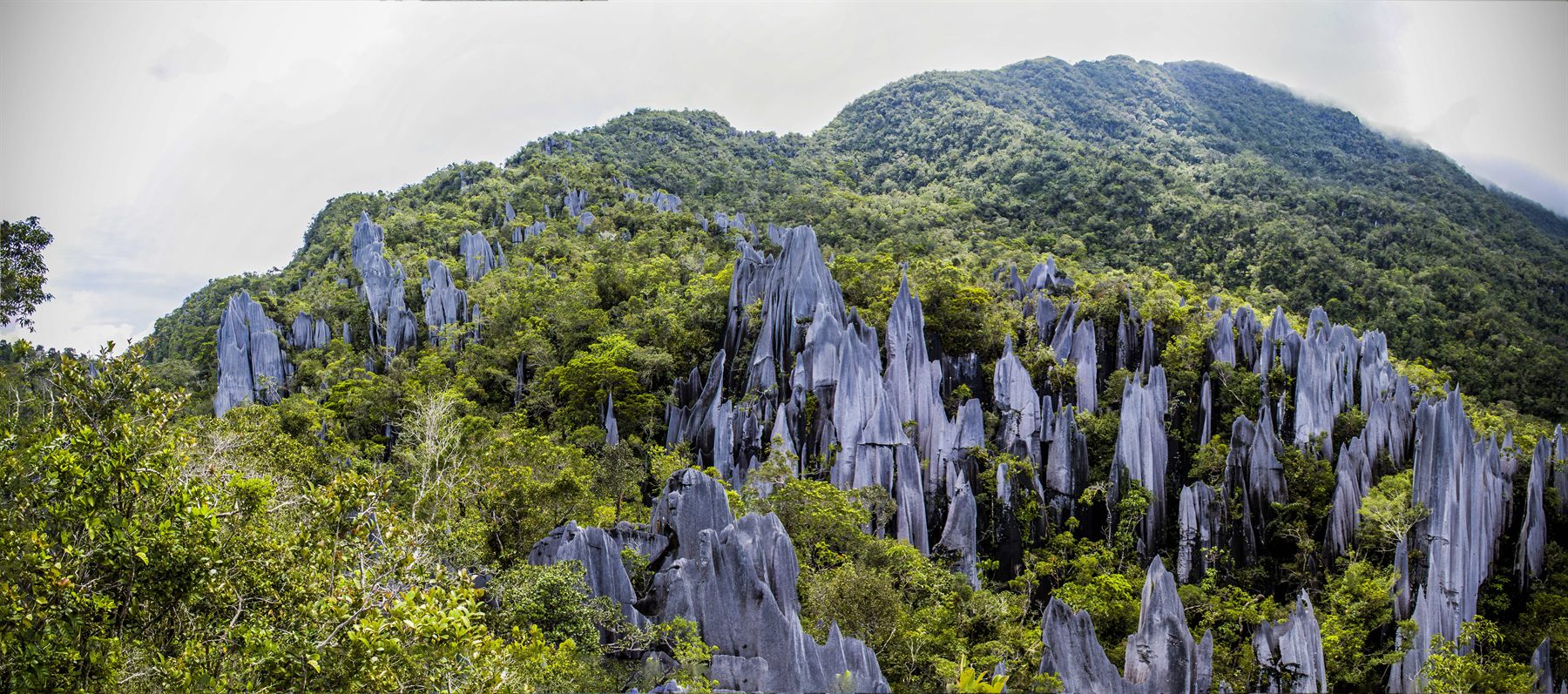
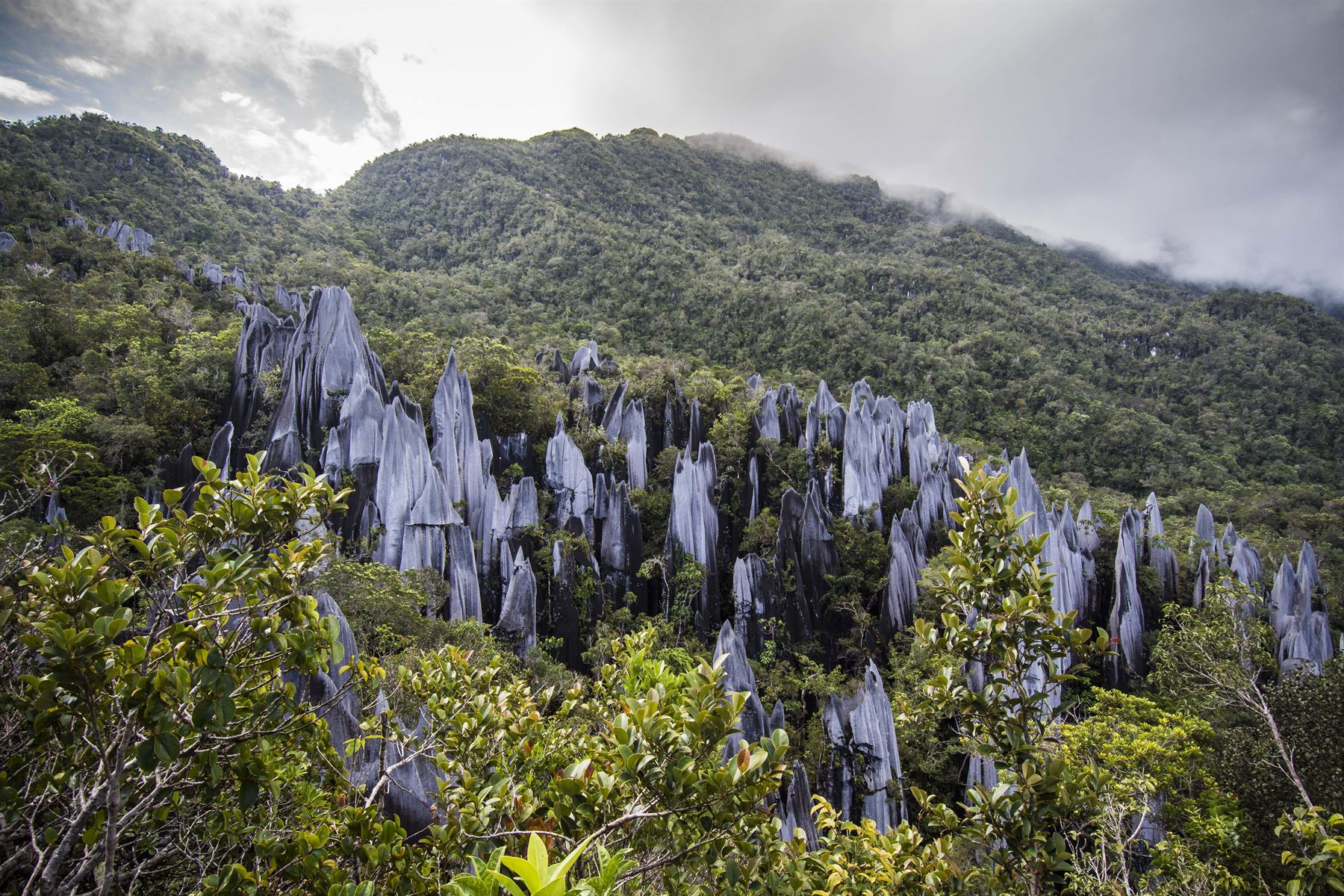
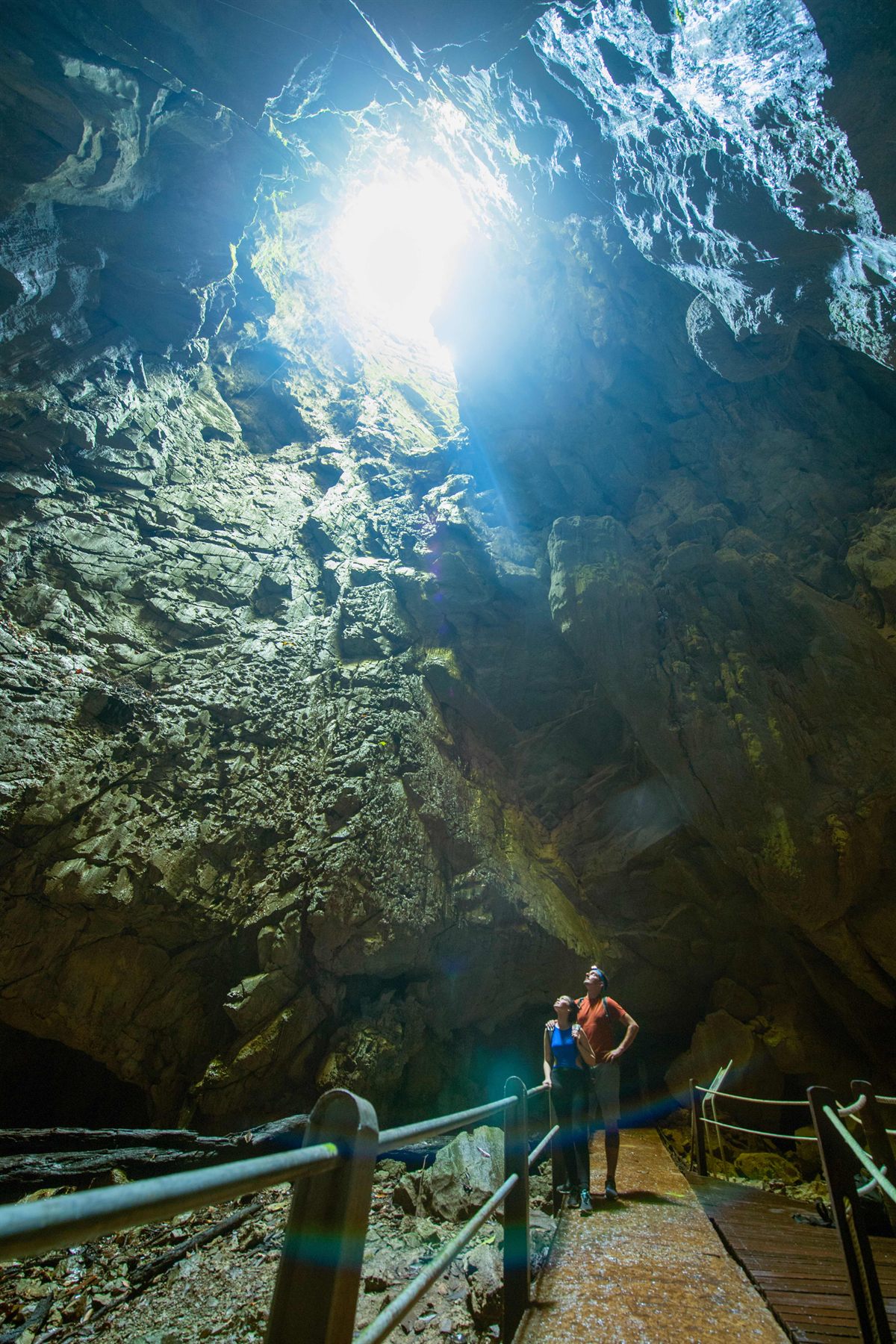
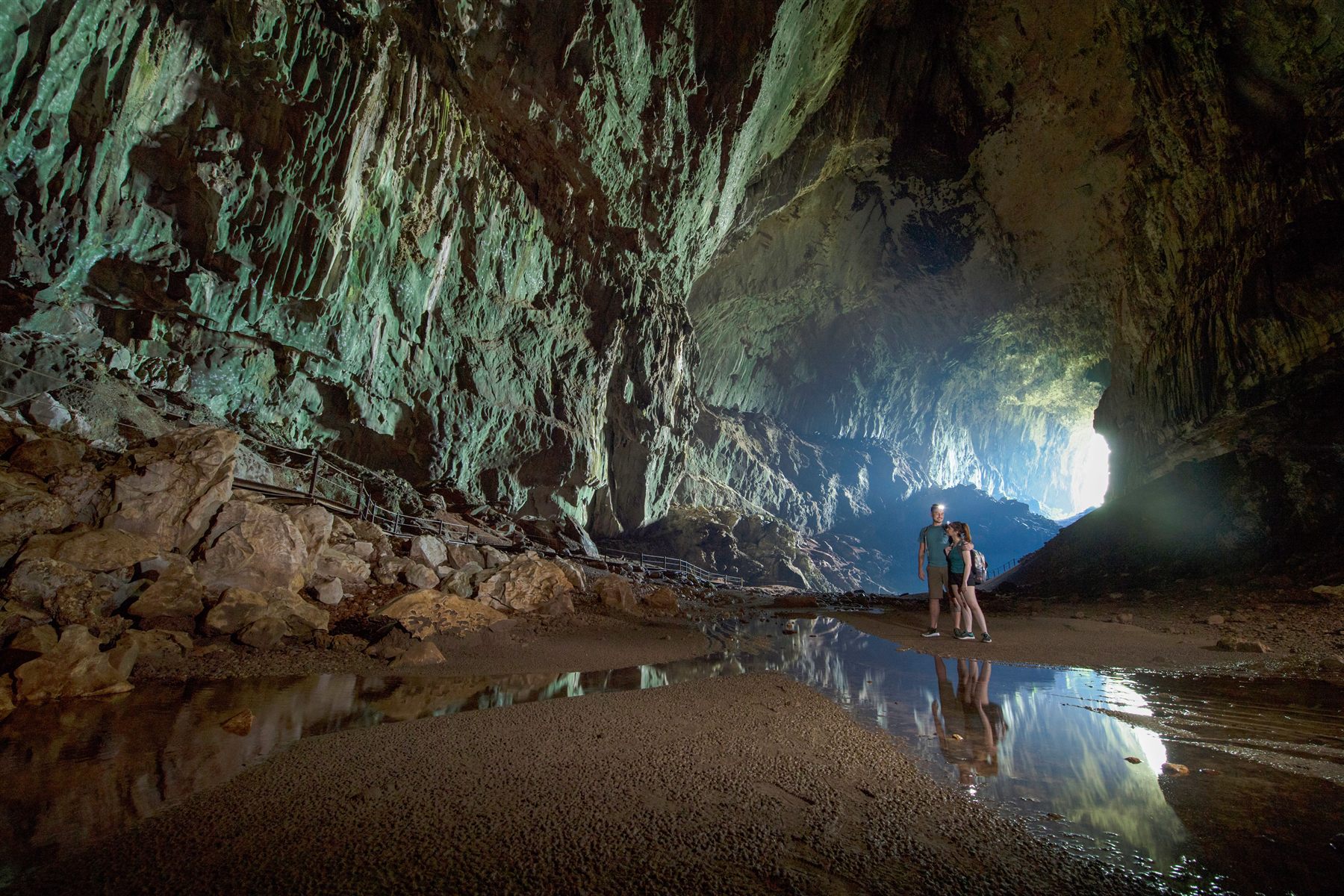
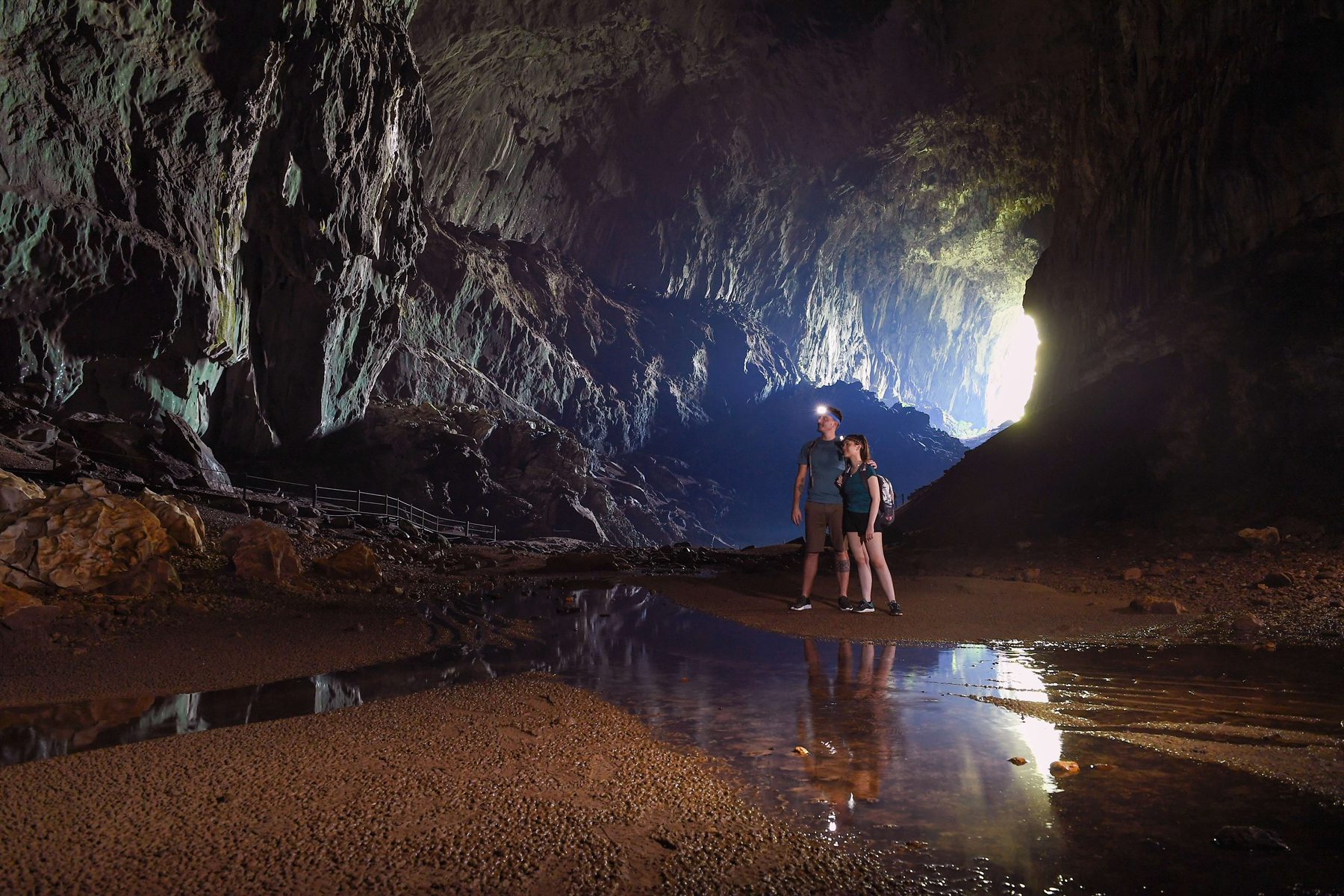
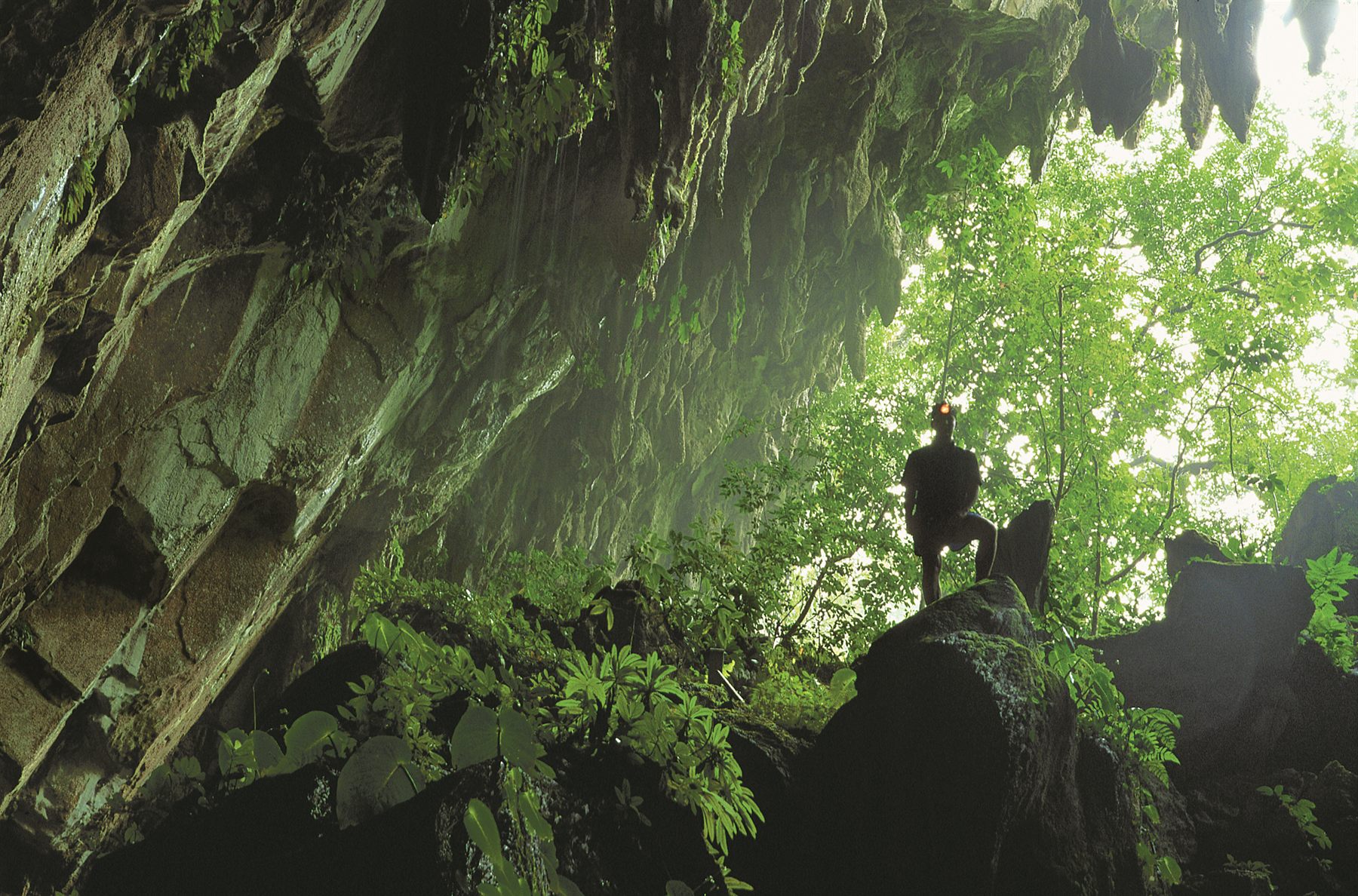
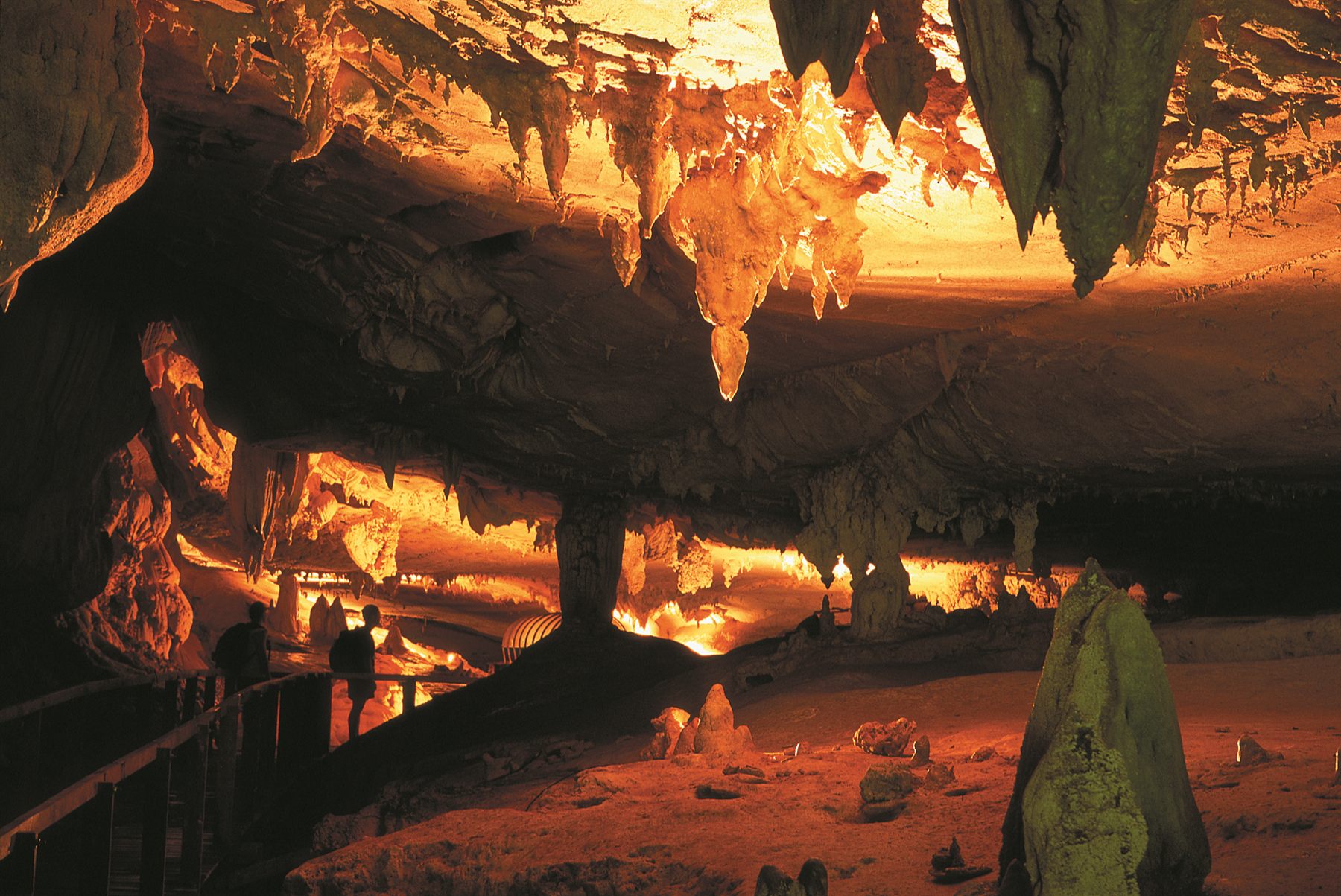
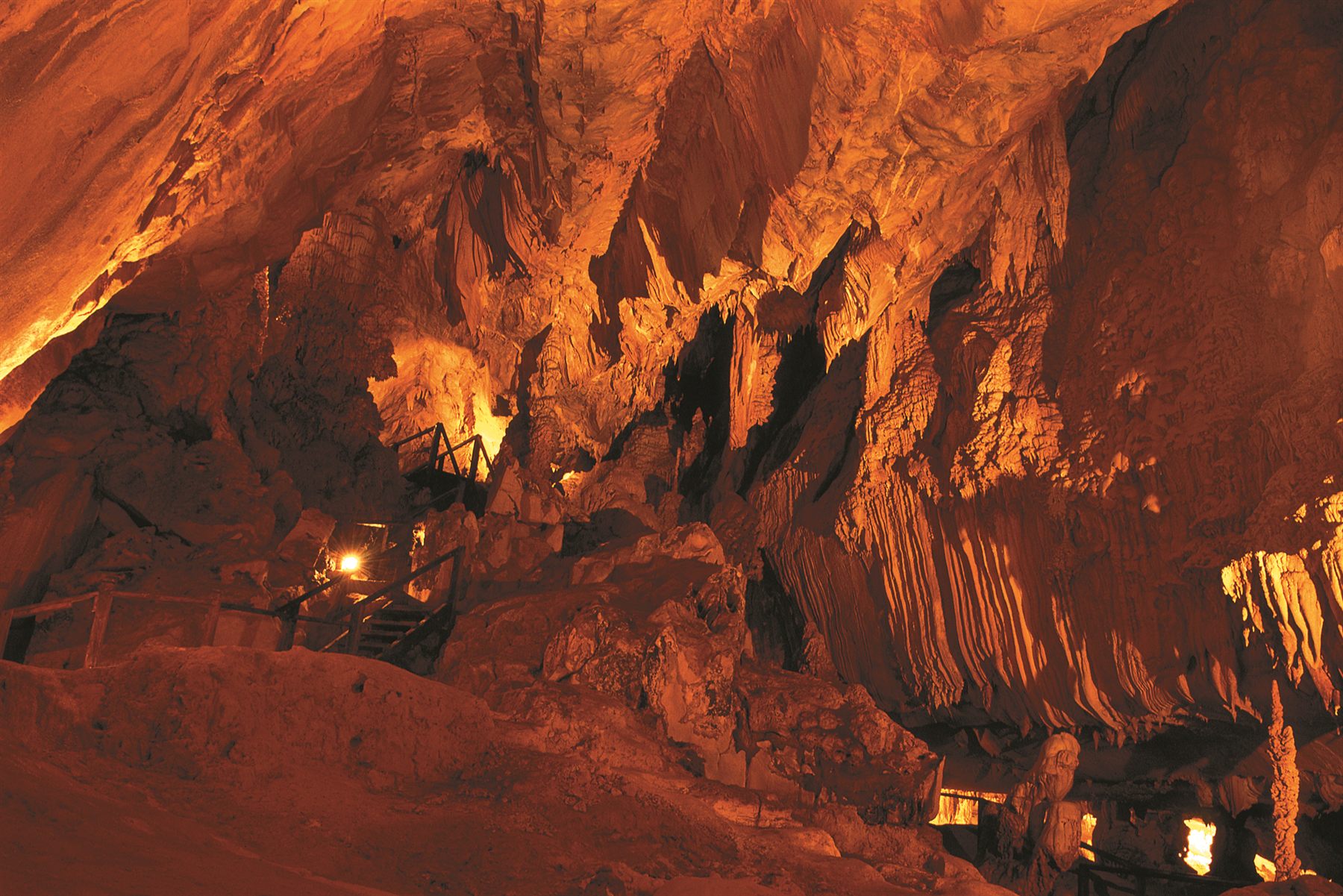
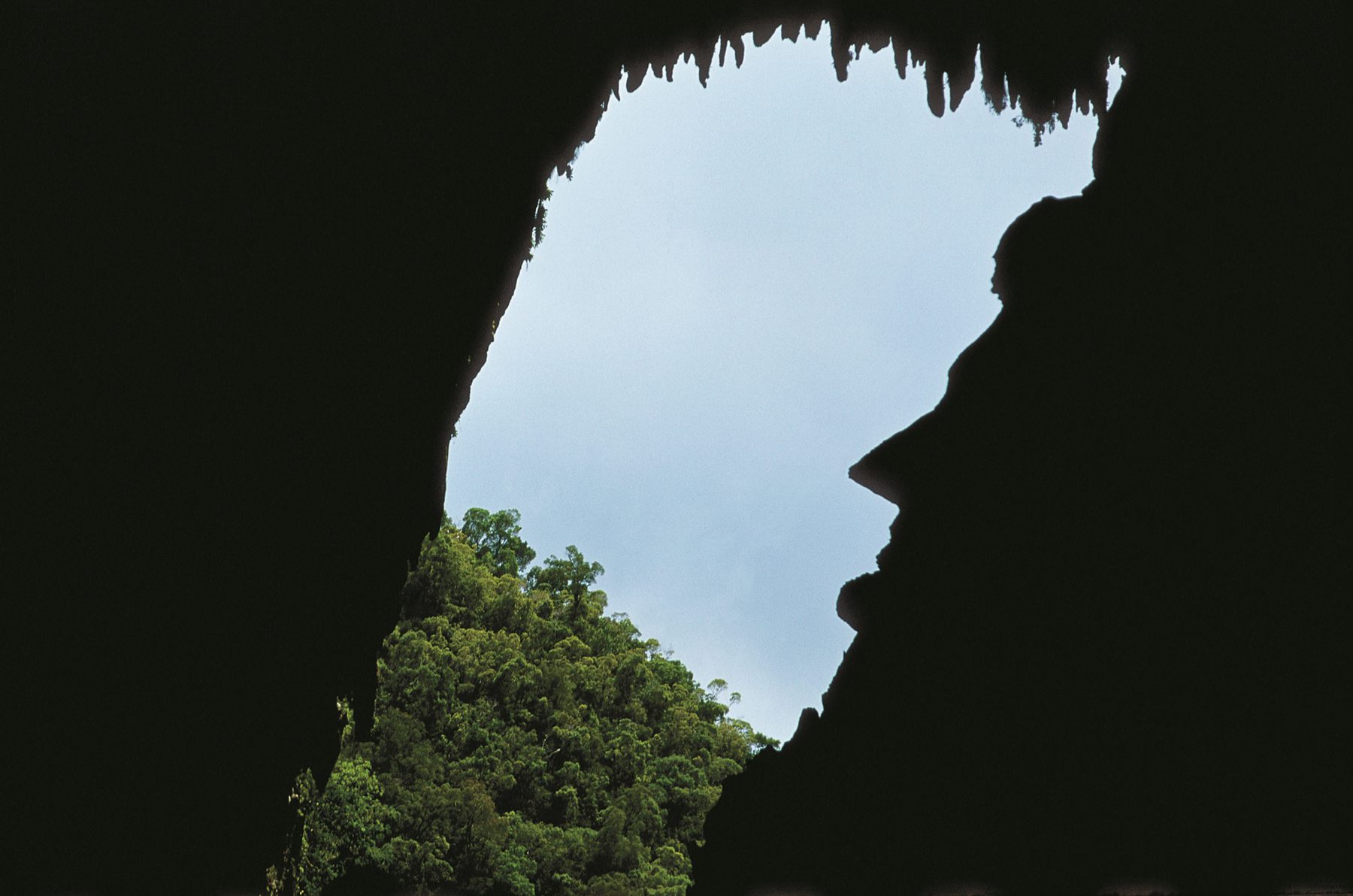
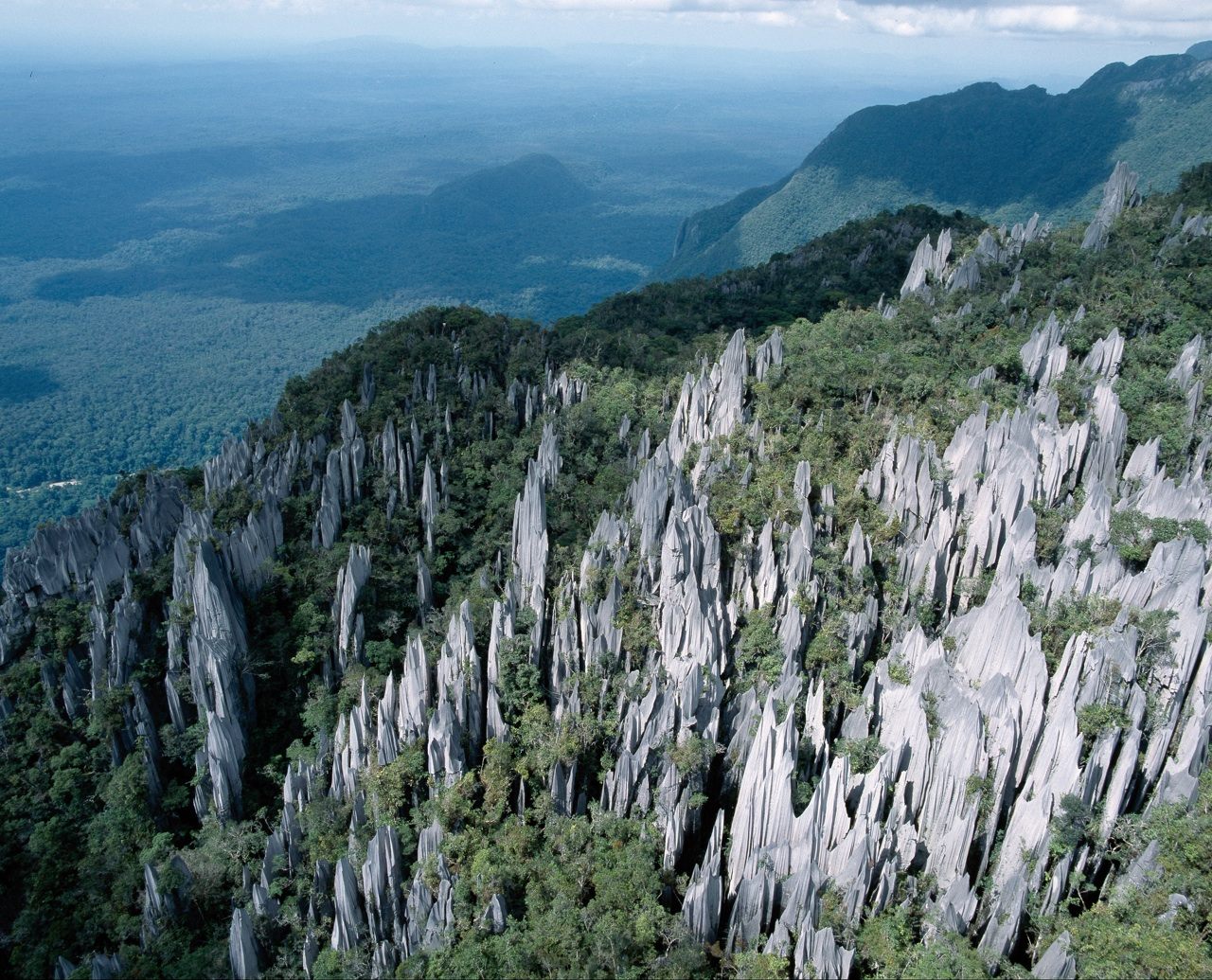
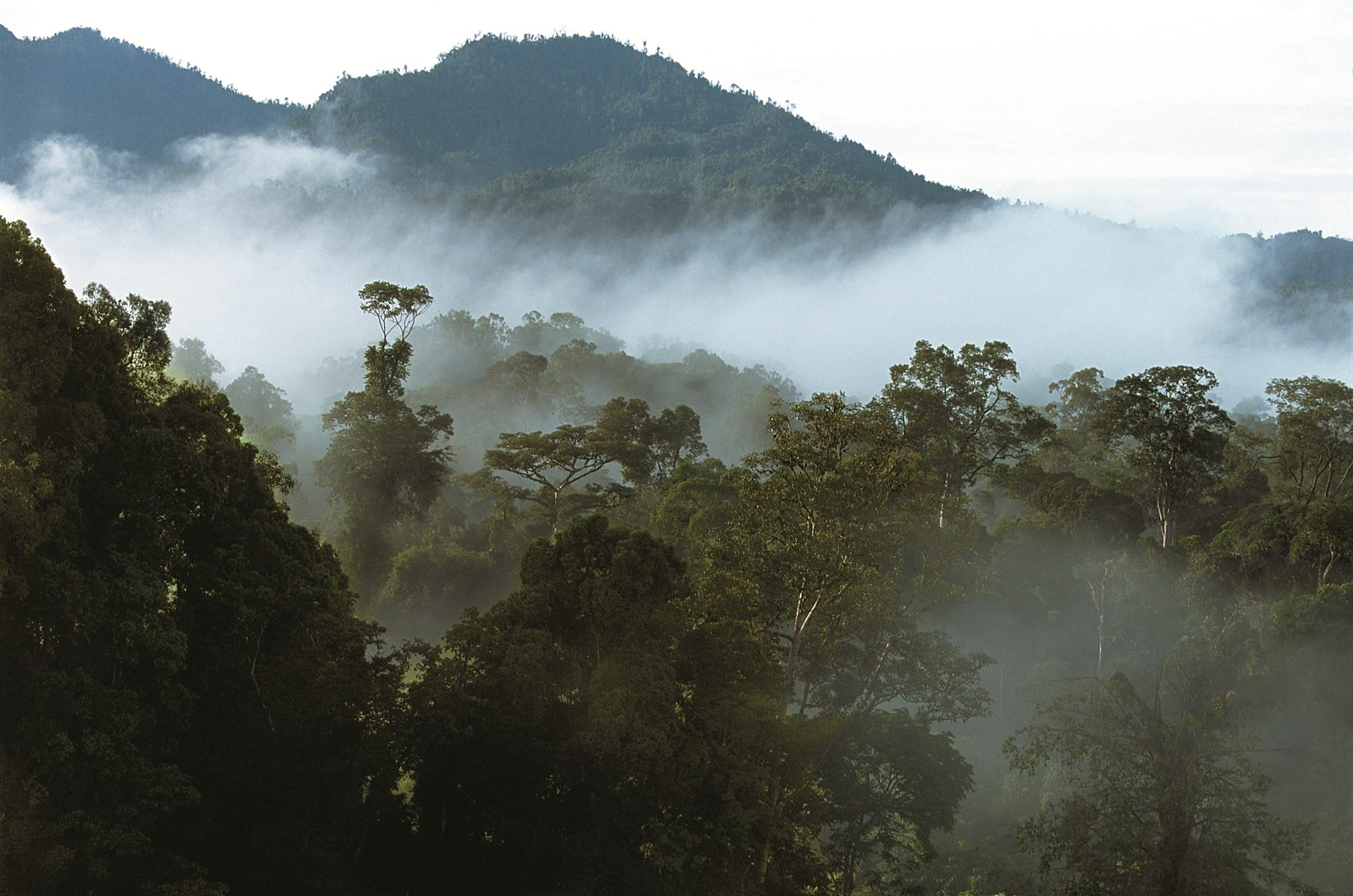
A UNESCO World Heritage Site built around one of the largest and most explored cave systems on Earth, including the Sarawak Chamber — the single largest known cave chamber by area in the world — and Deer Cave, whose nightly exodus of several million wrinkle-lipped bats is one of the great wildlife spectacles in Borneo. Above ground, the park's razor-sharp limestone pinnacles and karst forest support their own distinct flora, reachable via a demanding multi-day trek that keeps the pinnacles themselves relatively untouched despite the park's fame.
Top highlights
- Wrinkle-lipped Free-tailed Bat
- Bat Hawk
- Bornean Gibbon
- Rhinoceros Hornbill
- Helmeted Hornbill
- Long-tailed Macaque
Accommodation
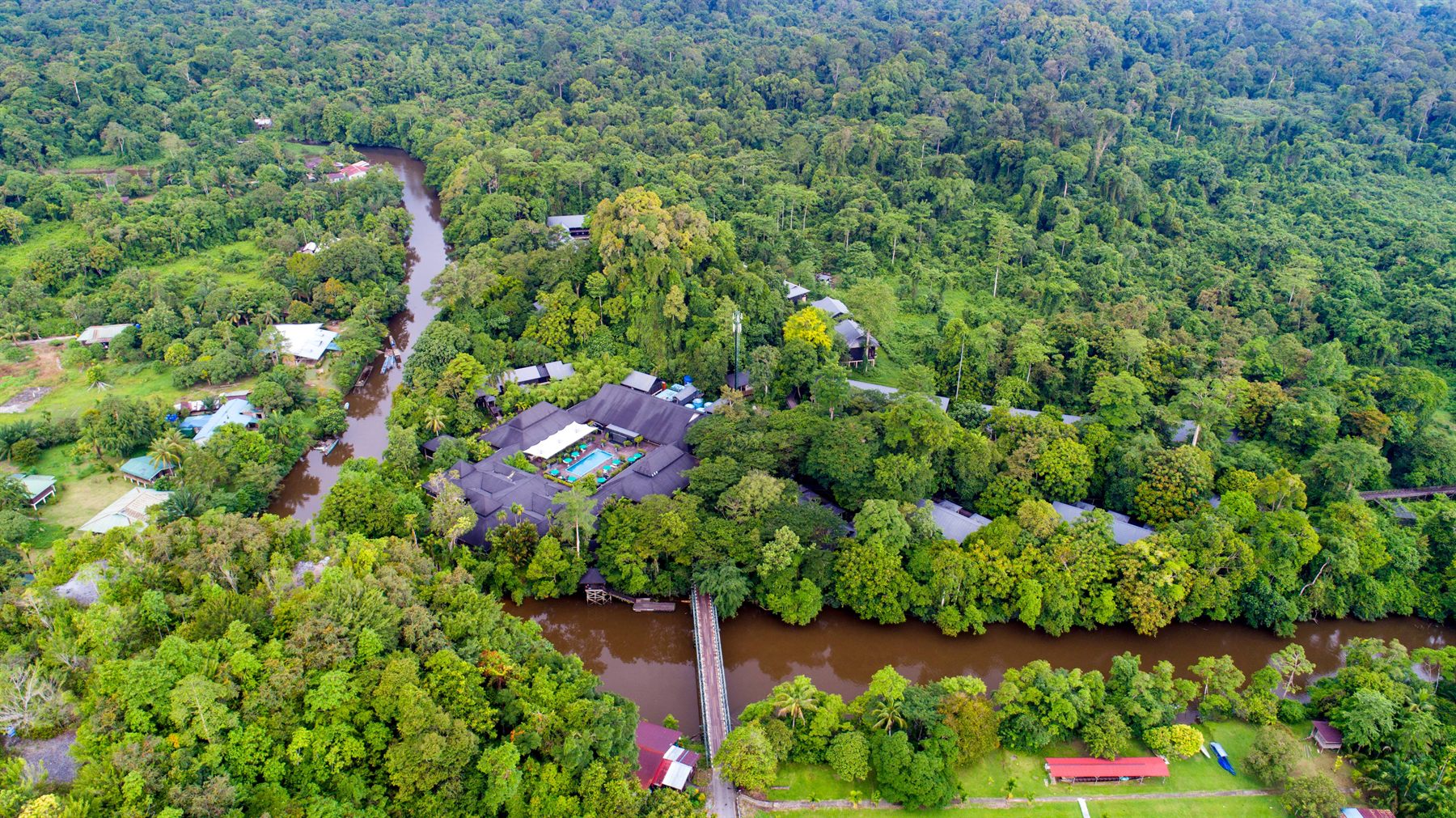
Spans the full range — a park-run hostel and Rainforest Lodge/longhouse-style rooms at HQ, up to the five-star Mulu Marriott Resort & Spa five minutes away.
Getting there
No road reaches Mulu, so almost everyone flies in on a MASwings turboprop — daily services from Miri (around 30 minutes), and less frequent flights from Kuching and Kota Kinabalu, landing a short walk from the park entrance. A slower alternative by road and river via Marudi and the Tutoh River exists but takes days rather than hours, and few visitors choose it. A guide is compulsory for every cave and for most treks — only a handful of short, well-marked trails near park headquarters can be walked solo — and the multi-day Pinnacles trek needs a permit and a camp booking at Camp 5 arranged well in advance.
Best time to visit
March to September is the dry season and the more forgiving window for trekking, with June to August offering the fewest wet days and the best odds of clean conditions for the Pinnacles trek. The wet season, especially December and January, brings heavier rain, muddier trails and a higher chance of a trek being postponed — worth avoiding if reaching the Pinnacles is the priority.