 Wildlife
of Borneo
Bako National Park
Coastal / peninsula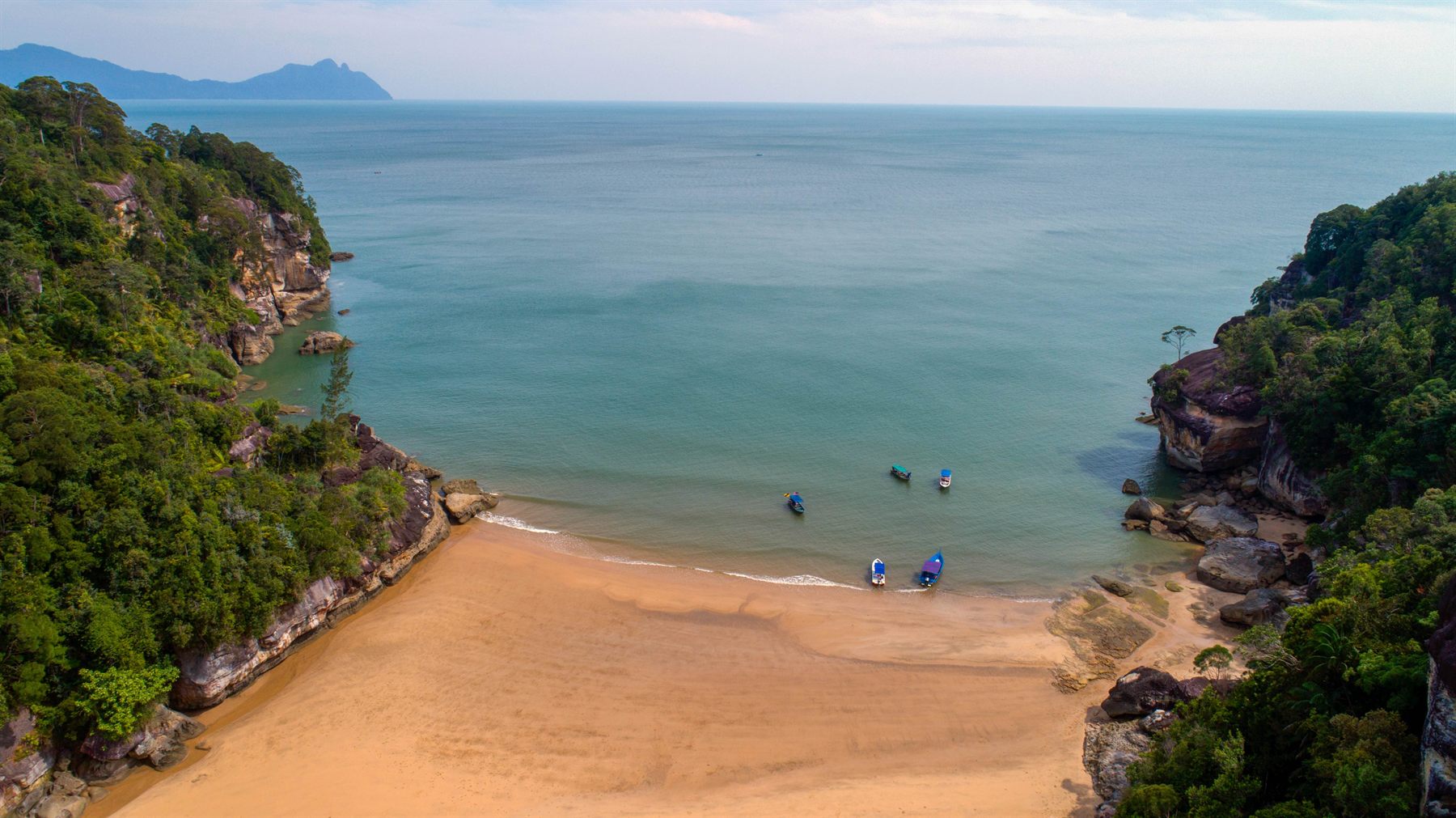
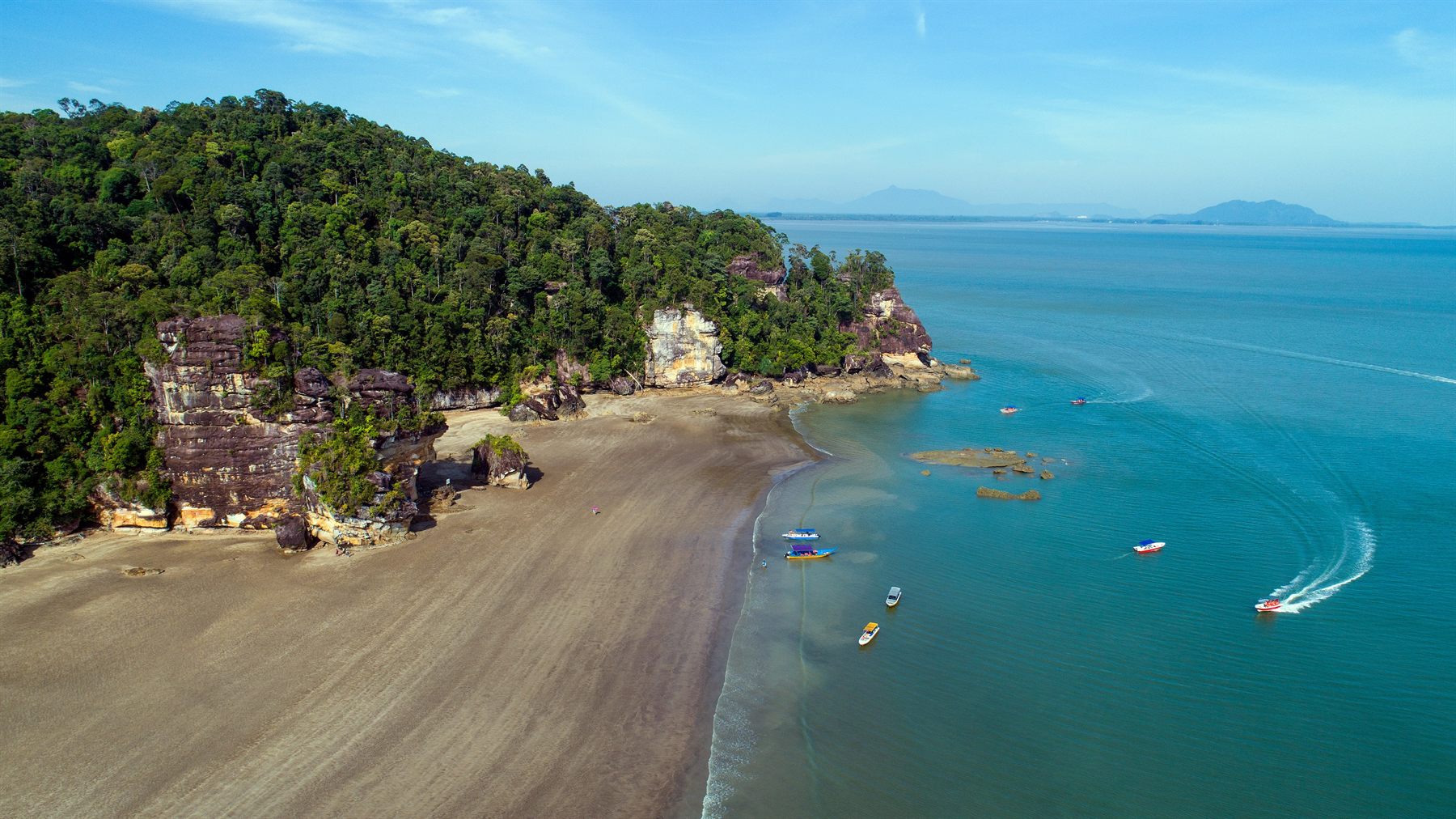
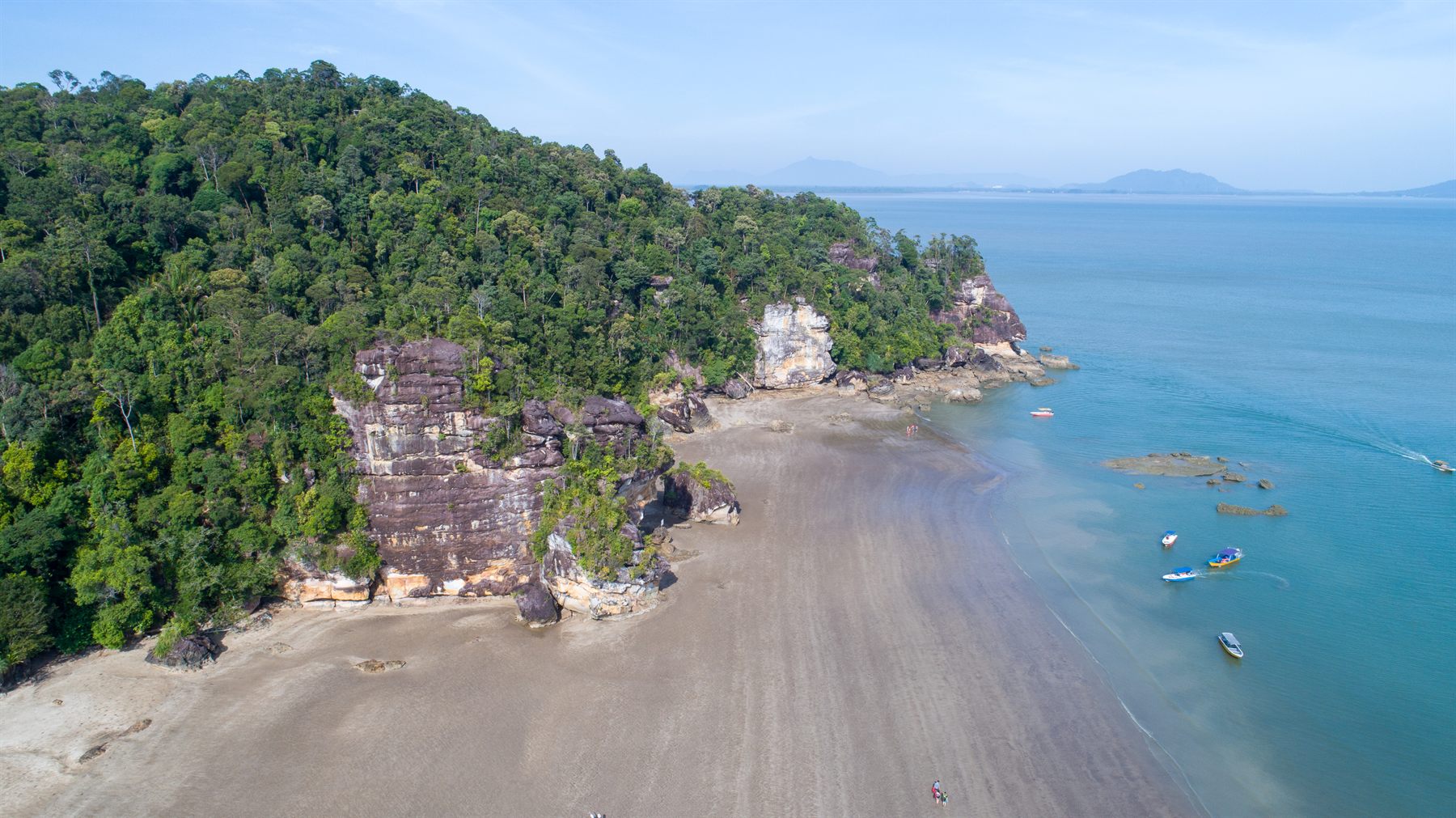
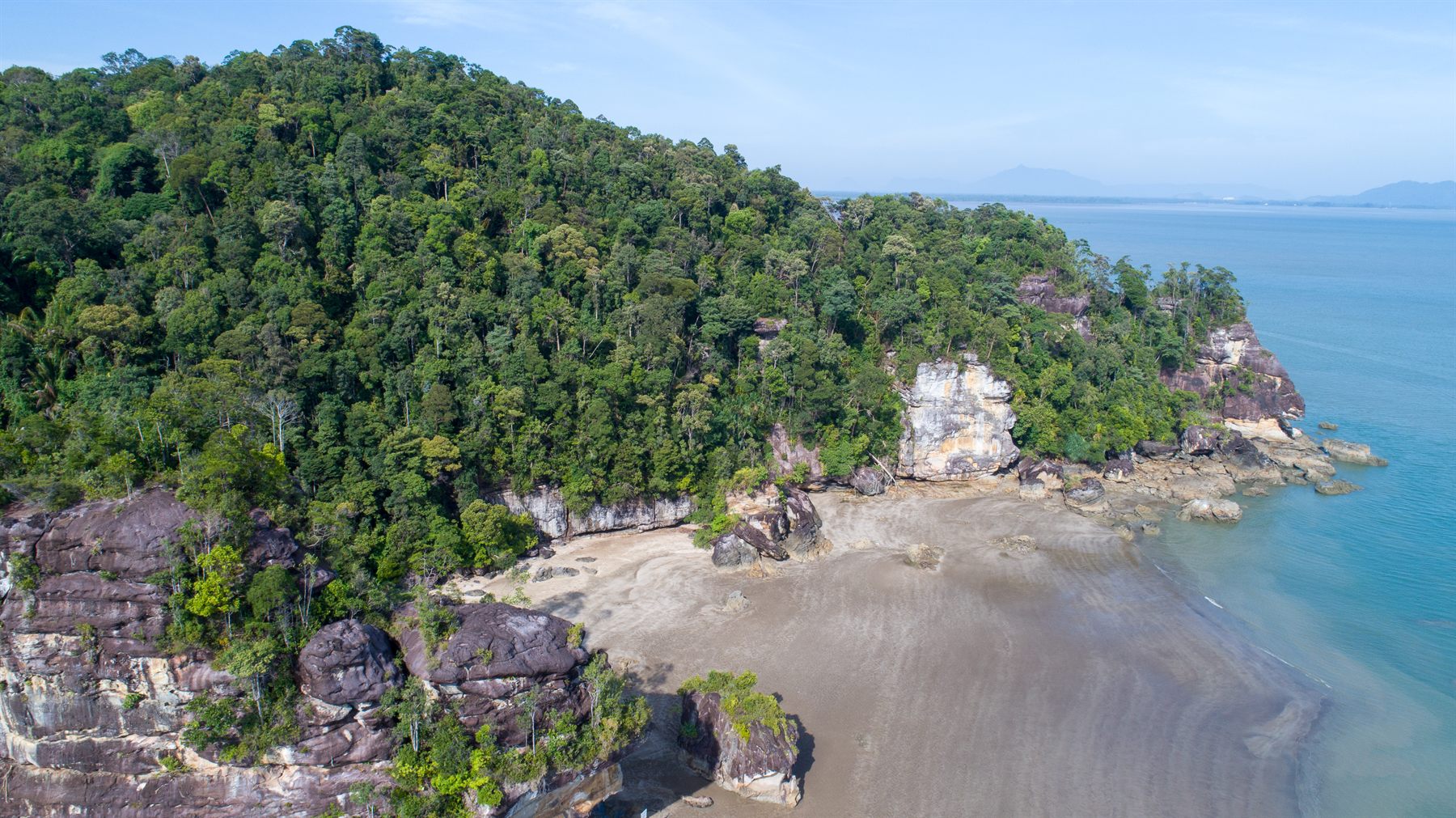
Malaysia's oldest national park, gazetted in 1957, occupying a small sandstone peninsula just outside Kuching — compact enough to explore in a day, yet packed with an unusual range of habitat for its size: mangrove, kerangas heath forest, and dramatic wave-cut sea stacks along the coast. That habitat variety is why it punches so far above its size for wildlife, and it remains one of the most reliable places anywhere to see proboscis monkeys, whose population here is used to a regular human presence around the park headquarters.
Top highlights
- Proboscis Monkey
- Silvered Langur
- Bornean Bearded Pig
- Long-tailed Macaque
- Plantain Squirrel
- Buffy Fish Owl
- Oriental Pied Hornbill
Accommodation
Sarawak Forestry runs the park's own accommodation at HQ — basic shared-bath Forest Hostel rooms and slightly more private Forest Lodges, only one of which is air-conditioned — plus a campsite.
Getting there
A bus or taxi from Kuching reaches Kampung Bako (Bako Bazaar) in under an hour, from where a small motorised boat crosses to the park headquarters — around 20–30 minutes depending on the tide. There's no road into the park itself, so the boat is the only way in. Sarawak Forestry caps the park at 200 visitors at any one time, and during the wet season (roughly November–February) rough seas can suspend crossings altogether or cut each boat's capacity right down, so it's worth checking conditions with a boat operator before setting out. Day visits don't need booking ahead beyond the entry fee, but an overnight stay requires accommodation booked in advance through Sarawak Forestry.
Best time to visit
March to October, the dry season, is the easier time to visit: firmer trails, calmer boat crossings, and wildlife more visible around open ground and water. The wet season (November–February) is still workable but brings muddier trails, rougher crossings, and the occasional trail closure after heavy rain. June to August is the busiest stretch, so March or October gives good weather with fewer crowds.