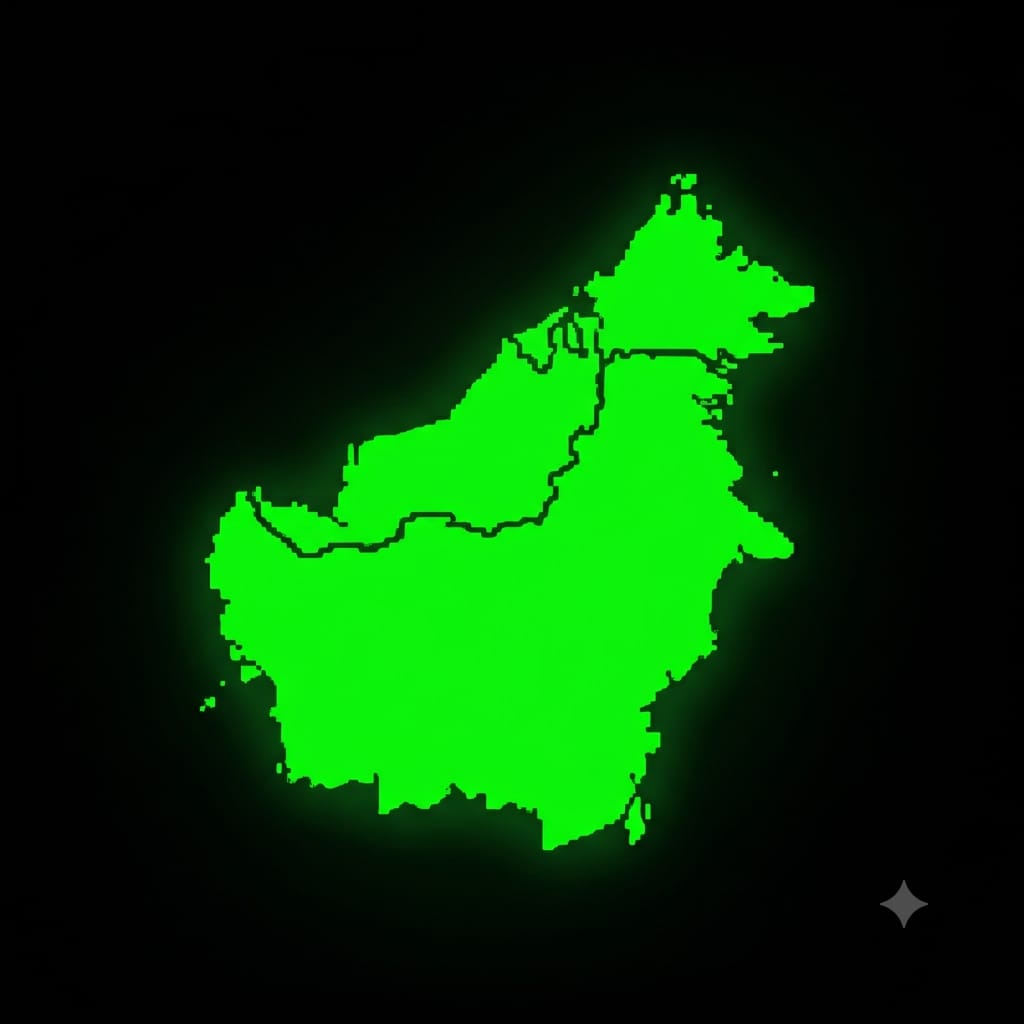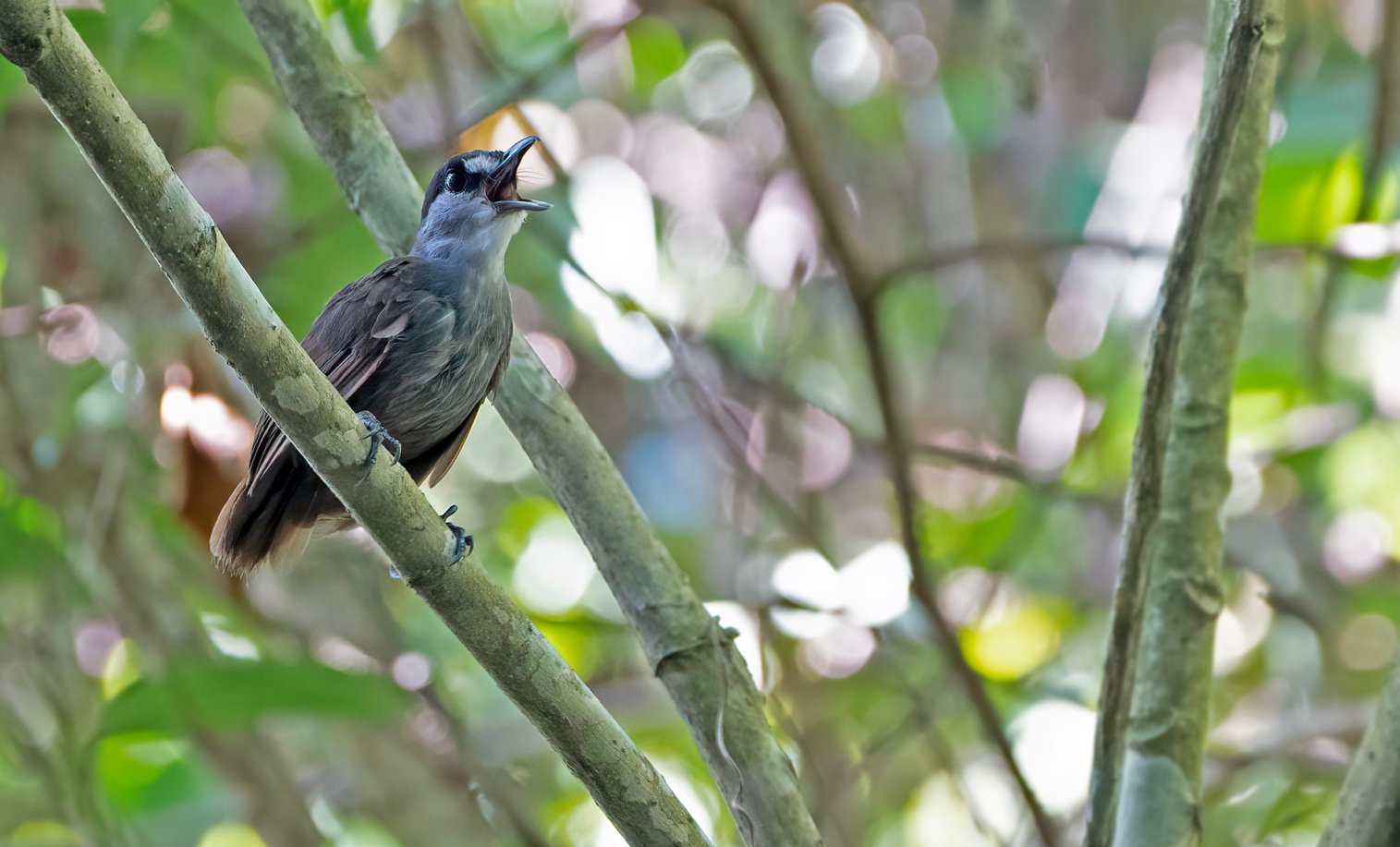
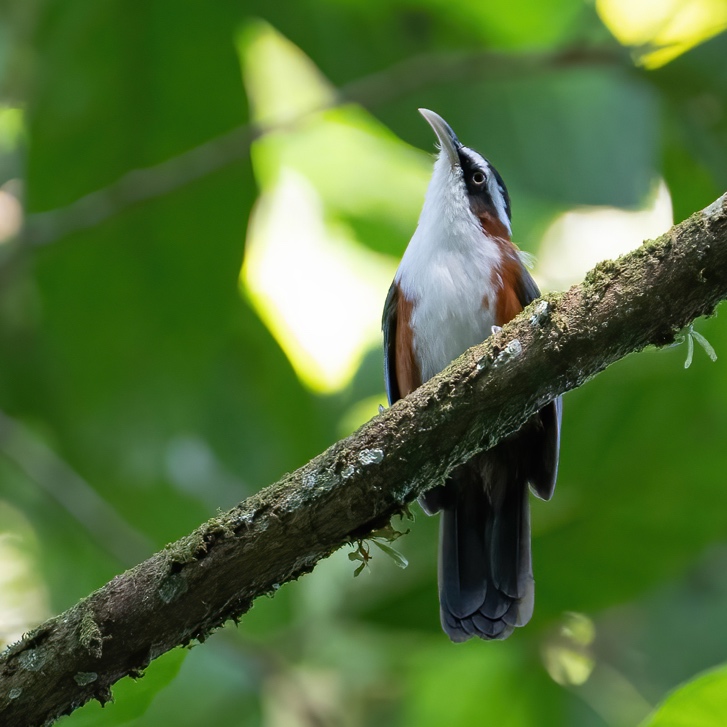
Black-browed Babbler, Serongga. Photo Khaleb Yordan, Bird Tour Asia.
Trip report by Khaleb Yordan, Bird Tour Asia, with participants Peter Kaestner, Jonathan Slifkin, Peter Los and Graham Tebb.
A once-lost species found again: the Black-browed Babbler, unseen by science for over 170 years until a chance rediscovery near Serongga in 2020, singing in full view for Khaleb Yordan's group. From there the tour spent a week deep in South Kalimantan's Meratus Mountains, turning up the newly-described Meratus White-eye and Meratus Jungle-flycatcher, a scarce ‘Meratus Laughingthrush’ and ‘Meratus Flowerpecker’ still awaiting formal description, Hose's Broadbill, and a calling Salvadori's Nightjar at a site only discovered two months earlier — the leg of Khaleb Yordan's 28 August – 4 September 2023 Bird Tour Asia tour covered here.
Leader: Khaleb Yordan, Bird Tour Asia.
Serongga — the Black-browed Babbler
The group started along the South Kalimantan coast, where — in contrast to its home island of Java — Javan White-eye is still doing well, seen in good numbers during the drive. Reaching Serongga, they met the family of Suranto, a former poacher who trapped an unfamiliar bird there in 2020 that turned out to be a Black-browed Babbler — a species with no confirmed sighting since the 1840s. Photos of the bird eventually reached the birding community and the identification was confirmed, and Suranto's family have since guided visiting birders to the species, trading poaching for an income in birding tourism. The first territory was quiet, likely due to the breeding season, so Suranto's father and brother Slamet led the group to a second spot, where the babbler showed well — with a Rufous-backed Dwarf-Kingfisher and a twice-flushed Barred Eagle-Owl along the way. A third territory the following morning produced the best views yet: a male singing in full view, with a more furtive female and juvenile nearby.
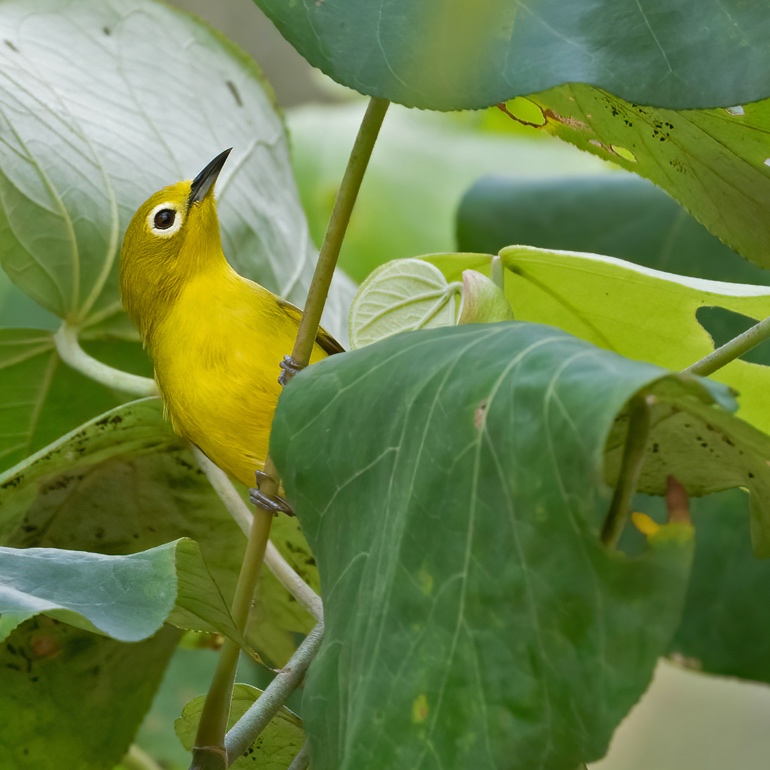
Javan White-eye, South Kalimantan coast. Photo Khaleb Yordan, Bird Tour Asia.
Into the Meratus Mountains
With Serongga done, the tour moved on to its third and final leg — the Meratus Mountains, where the group camped for three nights, a night longer than usual, to give themselves the best shot at the area's specialities. Getting to camp is an adventure in itself: a motorbike ride along a narrow track, followed by a trek through scrub and — in this particularly dry season — recently burnt forest. Birds came quickly once inside proper forest: Black-and-white Bulbul, Bornean Barbet, Bornean Leafbird, Spotted Fantail, Blyth's Hawk-Eagle, Temminck's Babbler, and two immature male Meratus Jungle-flycatchers — one of several taxa new to science found here in 2016 by James Eaton, Carlos Bocos, Frank Rheindt and Simon Mitchell. Two of those discoveries, Meratus Jungle-flycatcher and Meratus White-eye, are now formally described; others remain undescribed, distinct enough that they may turn out to be new species in their own right rather than subspecies of familiar Bornean birds. One of these, a laughingthrush already known to be scarce here, turned up on the very first afternoon — richer, peachier underparts setting it apart from Chestnut-hooded Laughingthrush elsewhere on Borneo. Back at camp, a male Hose's Broadbill reappeared at the only known South Kalimantan site for the species, discovered by the same team the previous year, and at dusk the group heard a calling Salvadori's Nightjar — a species unknown on Borneo at all until it was found at this same site just two months earlier.
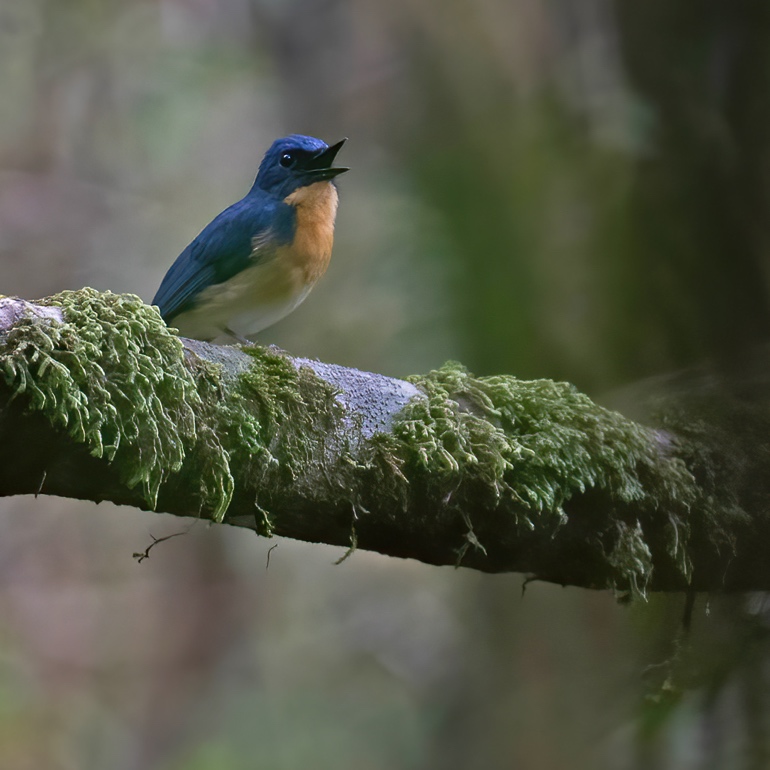
Meratus Jungle-flycatcher, Meratus Mountains. Photo Khaleb Yordan, Bird Tour Asia.
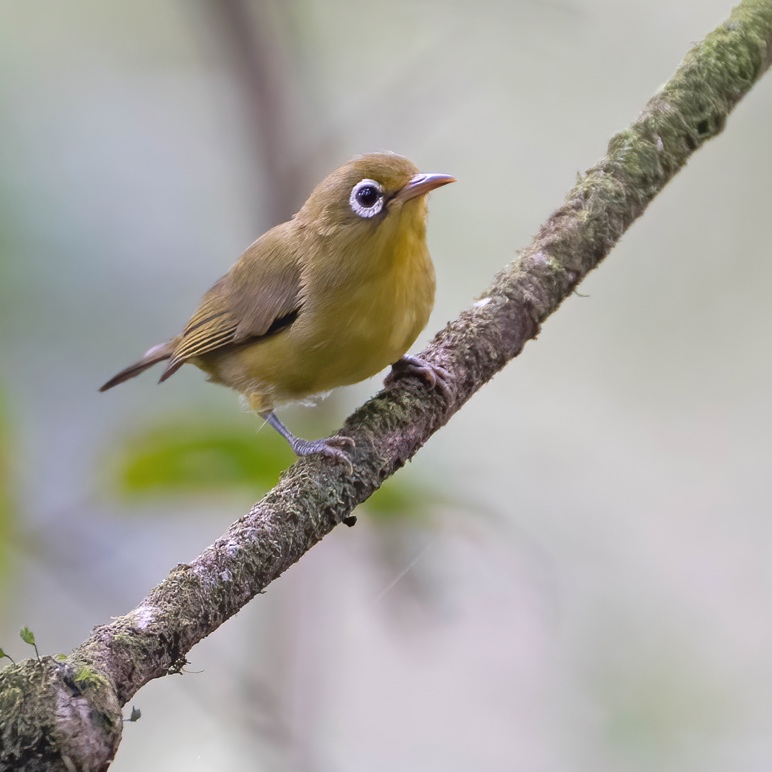
Meratus White-eye, Meratus Mountains. Photo Khaleb Yordan, Bird Tour Asia.
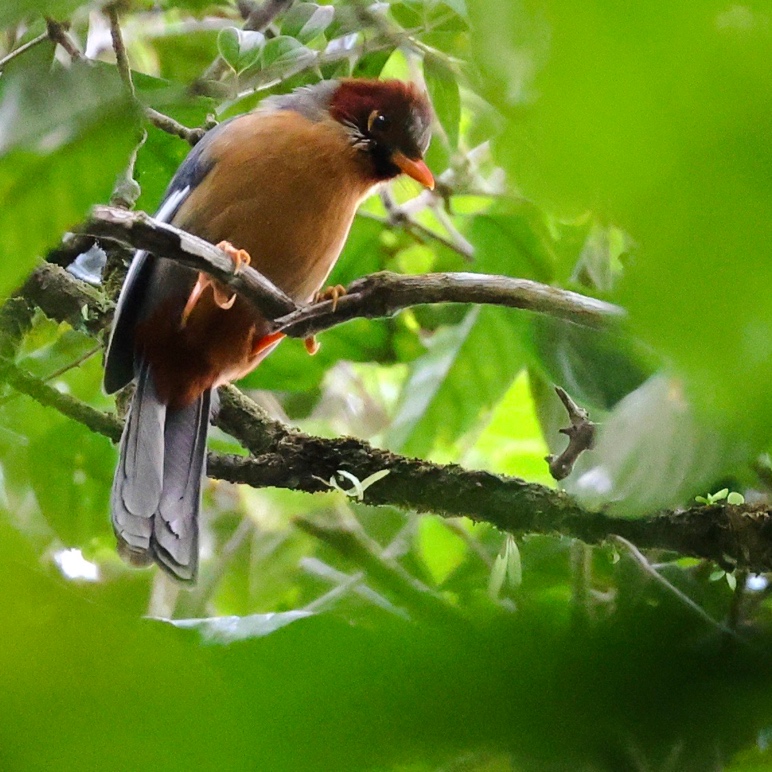
‘Meratus Laughingthrush’, an as-yet undescribed taxon, Meratus Mountains. Photo Jonathan Slifkin.
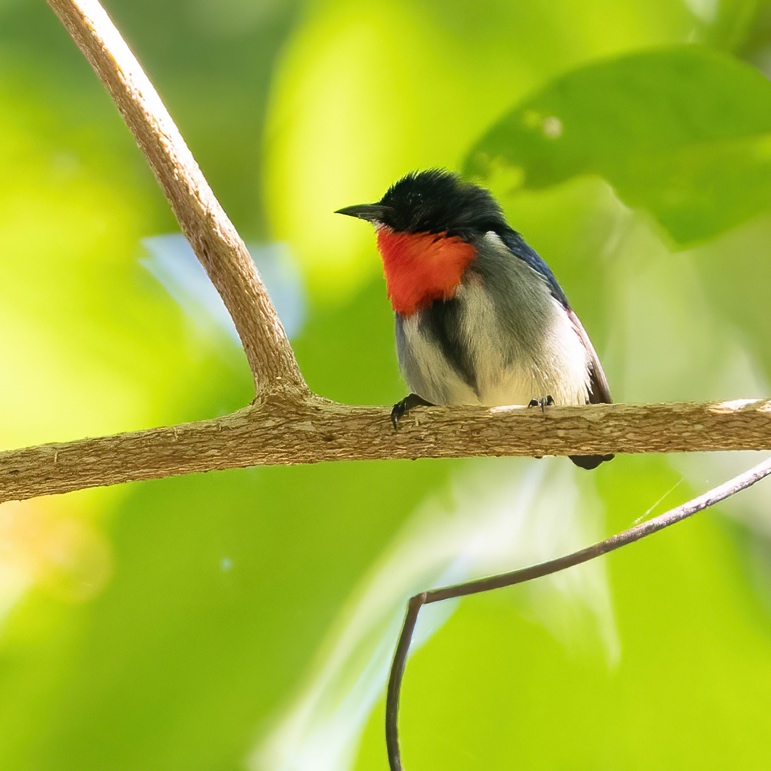
‘Meratus Flowerpecker’, an as-yet undescribed taxon, Meratus Mountains. Photo Khaleb Yordan, Bird Tour Asia.
Hose's Broadbill, Meratus Mountains — the only known site for the species in South Kalimantan. Photo Jonathan Slifkin.
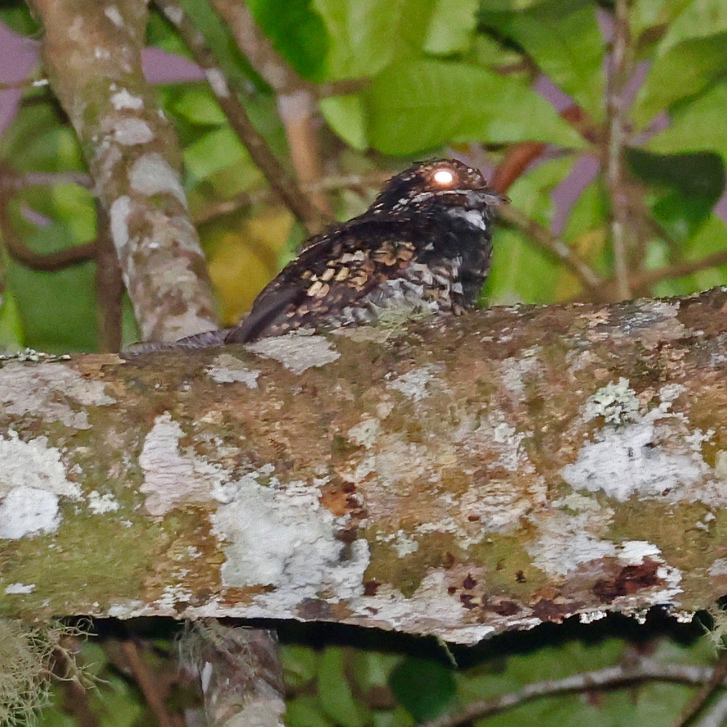
Salvadori's Nightjar, Meratus Mountains — Borneo's first known site for the species, found just two months before this visit. Photo Jonathan Slifkin.
Feeding flocks and Meratus specialities
The group spent two full days and a morning working the mossy forest, in excellent weather throughout. Mixed-species flocks did most of the work, each one a slightly different combination of birds: Crested Jayshrike, Checker-throated Yellownape, Pygmy Heleia, White-bellied Erpornis, Bornean Whistler, Temminck's Sunbird, Blyth's Shrike-babbler, further Meratus White-eyes, and eventually good views of the meratusensis form of Penan Bulbul — another 2016 discovery, distinguished by a yellowish belly and short crest that recall Grey-cheeked Bulbul more than other Penan Bulbul populations. Away from the flocks the group worked through a long list of Bornean endemics they were keen to catch up with: Fruit-hunter, Bornean Stubtail, Long-tailed Broadbills, an exceptional Green Broadbill, Scaly-breasted Bulbul, and a Bornean Banded Pitta that Khaleb rates among the most striking birds in all of Asia.
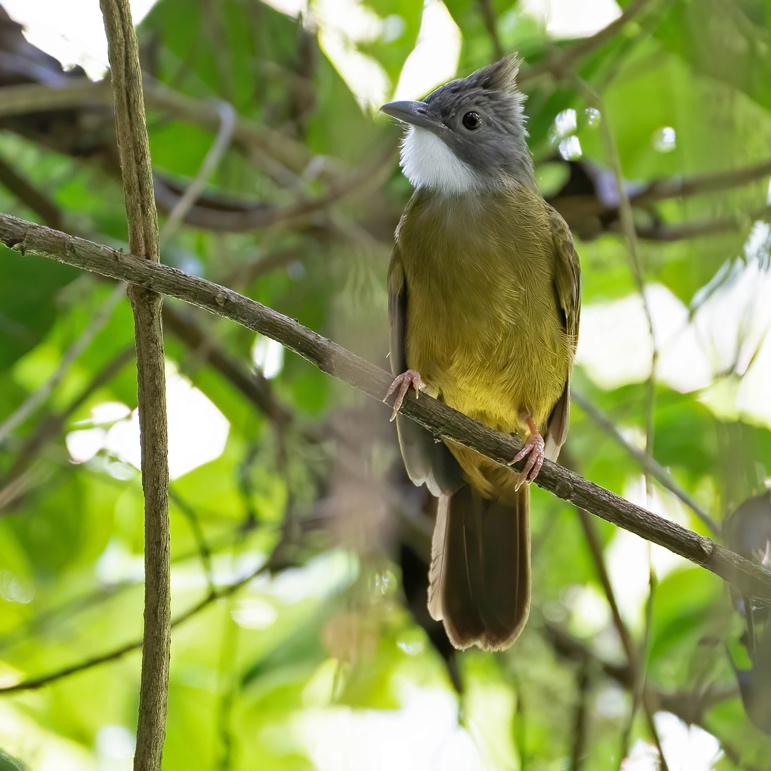
Penan Bulbul (meratusensis form), Meratus Mountains. Photo Khaleb Yordan, Bird Tour Asia.
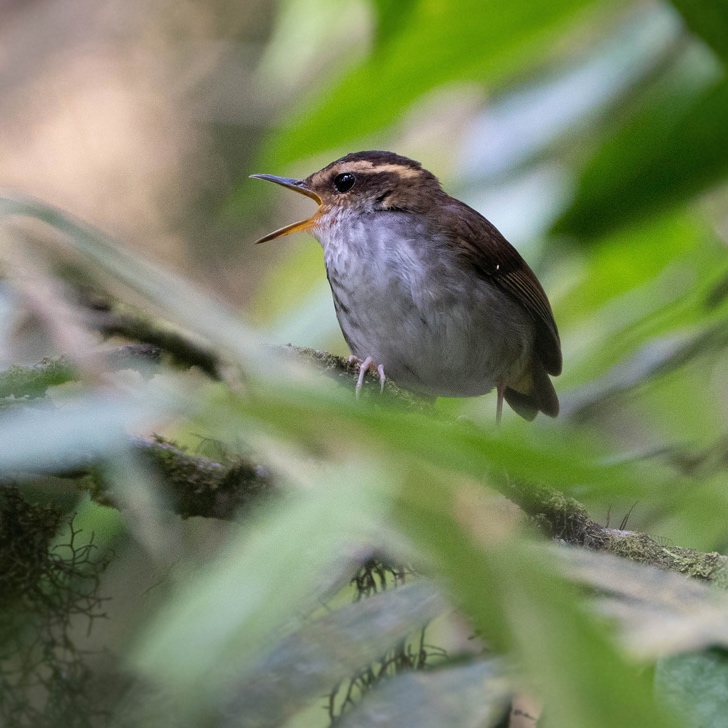
Bornean Stubtail, Meratus Mountains. Photo Khaleb Yordan, Bird Tour Asia.
Final days in the Meratus
A fruiting tree held the group's attention for a while, producing good views of Mountain Barbet — noticeably different-looking here to birds elsewhere on Borneo — and ‘Black-sided Flowerpecker’, with the Meratus birds increasingly looking like a separate, still-undescribed species. Bornean Frogmouth, usually straightforward near camp, took until the third morning to finally show. Heading back down the mountain the group ran into more good flocks — Sunda Scimitar-Babbler, Lesser Cuckooshrike (Cicadabird), Cinereous Bulbul, and even a Sunda Owlet — and photographed a second flowerpecker showing off the distinct, strikingly patterned underparts and large red breast that set the Meratus birds apart from Black-sided Flowerpecker elsewhere. A last Meratus Jungle-flycatcher and a second Bornean Banded Pitta rounded off a memorable stay before the group returned to Banjarmasin, said their goodbyes, and headed home.
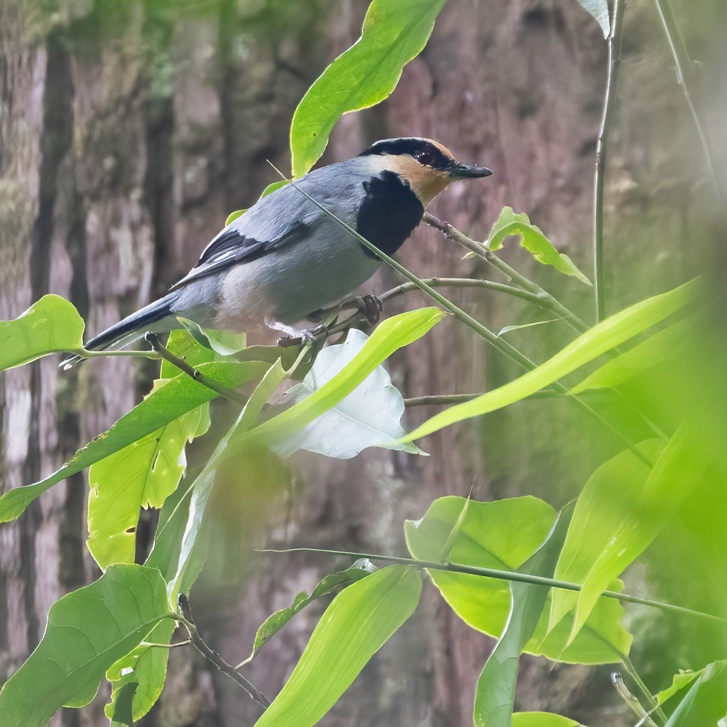
Fruit-hunter, Meratus Mountains. Photo Khaleb Yordan, Bird Tour Asia.
More photos from the Meratus
A further selection from Khaleb Yordan's report for Bird Tour Asia.
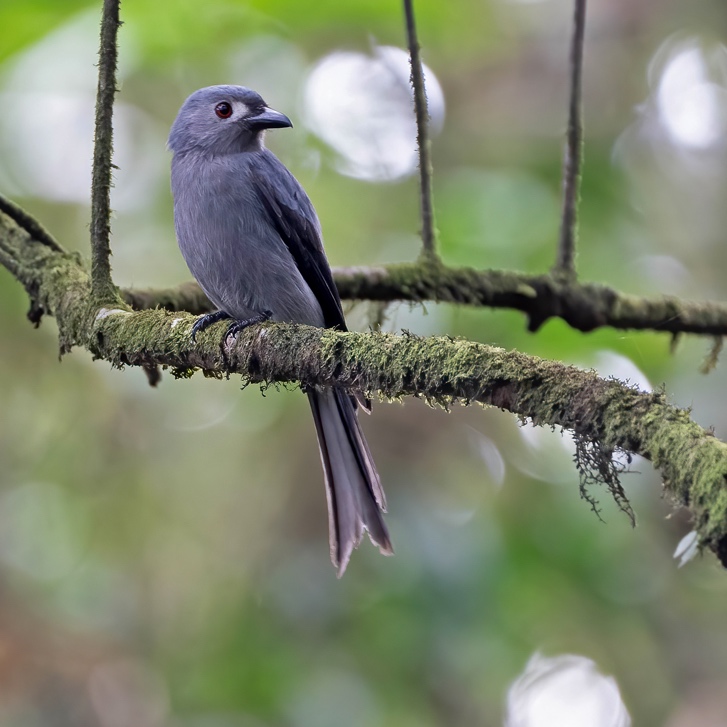
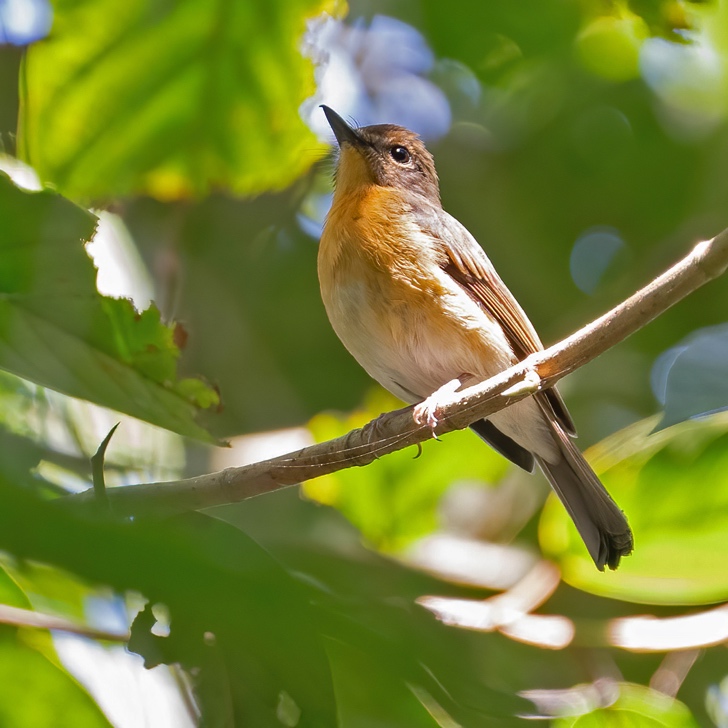
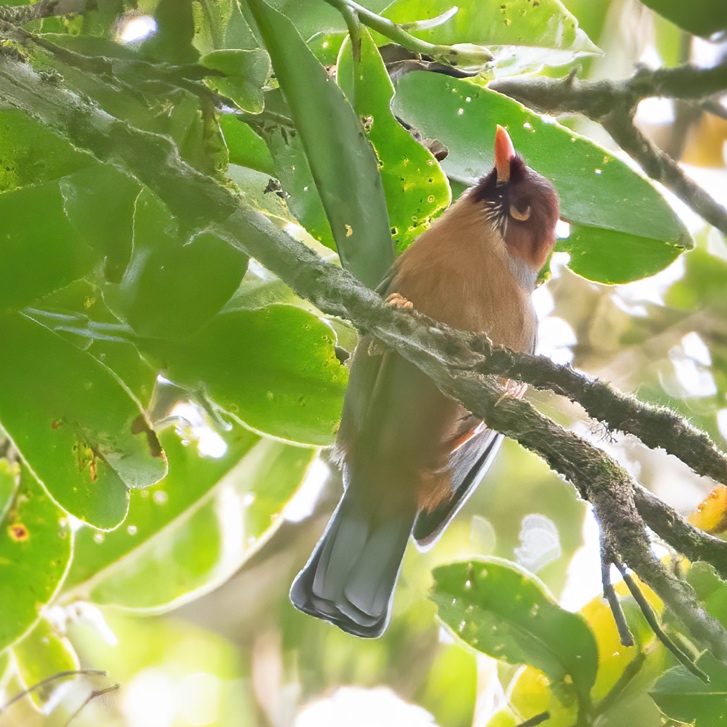
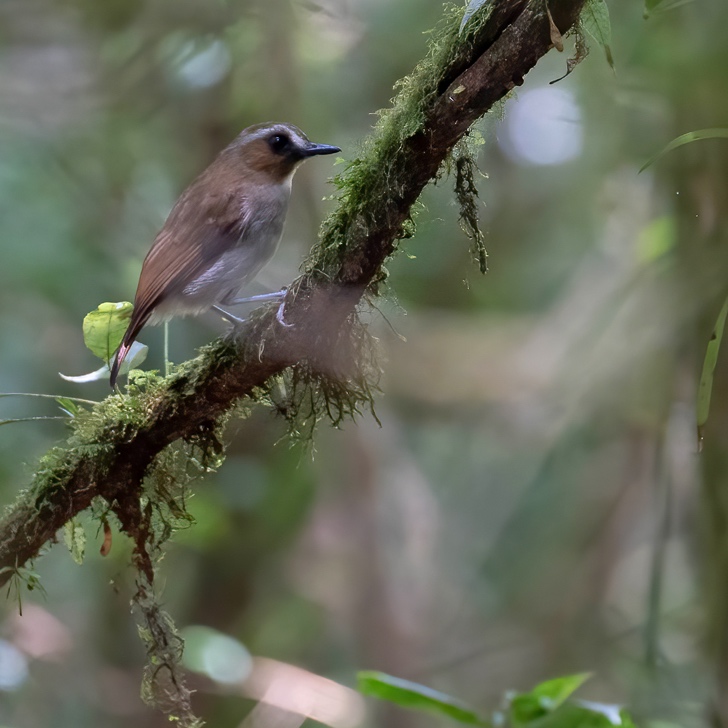
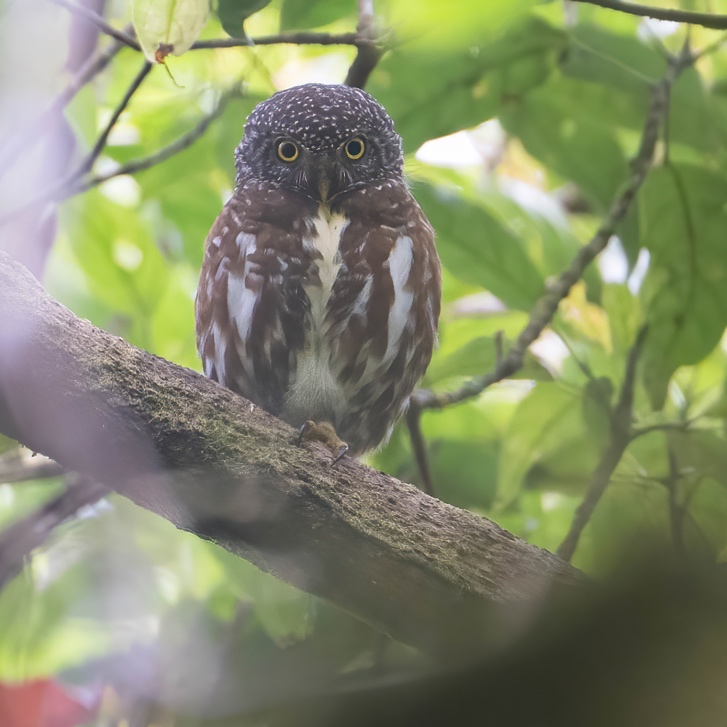
Photos by Khaleb Yordan, Bird Tour Asia, except ‘Meratus Laughingthrush’ by Jonathan Slifkin. Used with permission.
Enquire about this trip ›Species highlights from the Meratus leg
The tour's full systematic list covers both the Central Java and Kalimantan legs together; the species below are the ones named in Khaleb Yordan's account of the Serongga and Meratus Mountains days specifically, with names linking through to their species pages where available.
- Javan White-eye
- Black-browed Babbler
- Rufous-backed Dwarf-Kingfisher
- Barred Eagle-Owl
- Black-and-white Bulbul
- Bornean Barbet
- Bornean Leafbird
- Spotted Fantail
- Blyth's Hawk-Eagle
- Temminck's Babbler
- Meratus Jungle-flycatcher
- ‘Meratus Laughingthrush’ (undescribed)
- Hose's Broadbill
- Salvadori's Nightjar
- Meratus White-eye
- Crested Jayshrike (Jay Shrike)
- Checker-throated Yellownape
- Pygmy Heleia
- White-bellied Erpornis
- Bornean Whistler
- Temminck's Sunbird
- Blyth's Shrike-babbler
- Penan Bulbul (meratusensis)
- Fruit-hunter
- Bornean Stubtail
- Long-tailed Broadbill
- Green Broadbill
- Scaly-breasted Bulbul
- Bornean Banded Pitta
- Mountain Barbet
- ‘Meratus Flowerpecker’ / ‘Black-sided Flowerpecker’ (undescribed)
- Bornean Frogmouth
- Sunda Scimitar-Babbler
- Lesser Cuckooshrike (Cicadabird)
- Cinereous Bulbul
- Sunda Owlet
- Ashy Drongo
- Bornean Shade-dweller
Adapted with permission from Khaleb Yordan's original report for Bird Tour Asia.