/bs-island-palm-civet-1.jpg)
/island%20palm%20civet.jpg)
/island%20palm%20civet3.jpg)
/island%20palm%20civetcivet.jpg)
/jl-island-palm-civet-1.jpg)
/jh-island-palm-civet.jpg)
Paradoxurus philippinensis
Basic stats
Diet
Fruit, small vertebrates, invertebrates
Habitat
Lowland forest to plantations and human settlements, up to about 2,400m
Range
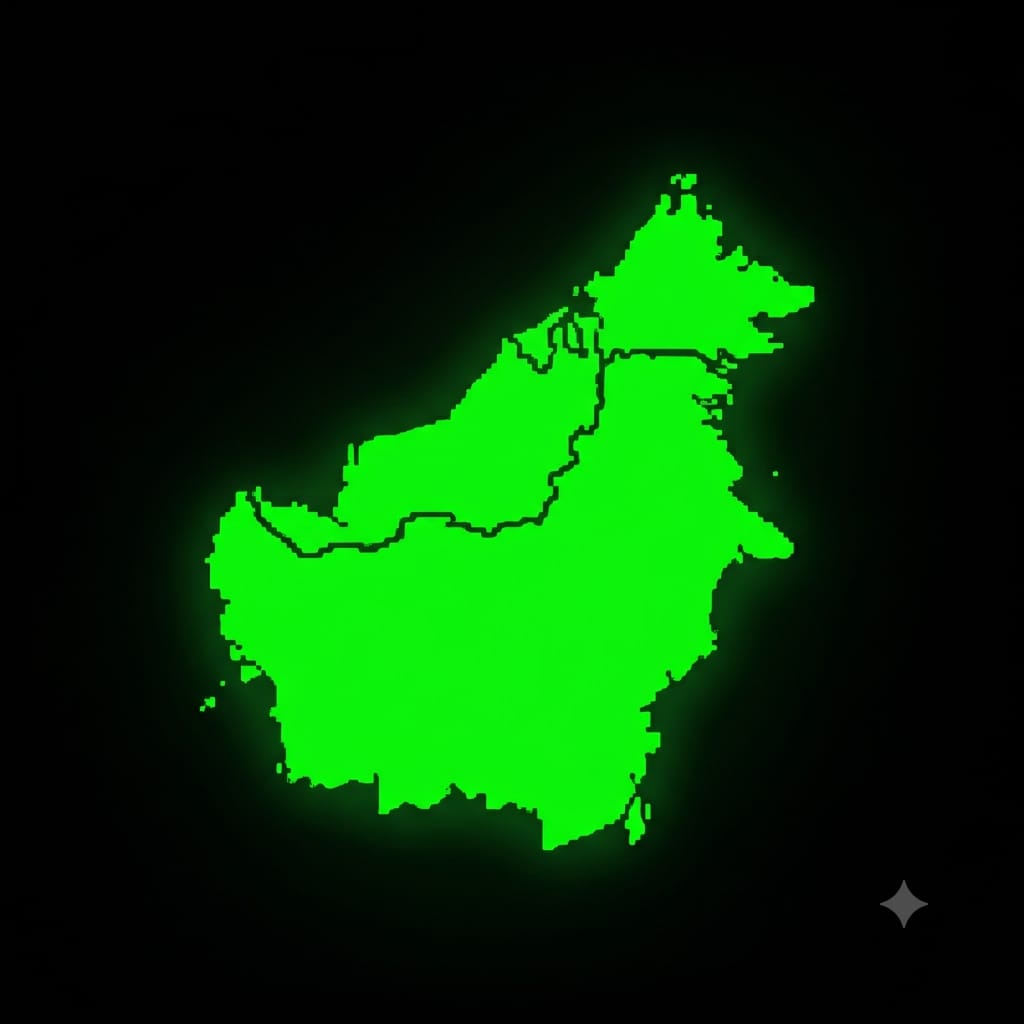
South and Southeast Asia, China, the Philippines and the Sundas including Borneo
Litter size
2–5 kits
Gestation period
About 2 months
Size
Medium (head-body ~53cm, tail ~48cm)
Weight
2–5kg
The common (Asian) palm civet, called the 'musang' locally — a greyish civet with three rows of dark spots or streaks, a black muzzle and lower legs, and, most distinctively, a white facial mask: a white forehead patch and white spots beside the nostrils and under each eye. That mask, combined with a plain unringed tail (black on the distal half), is the clearest way to separate it from the similarly spotted Malay civet, whose tail is ringed and which lacks any white facial pattern. Found right across Borneo, from lowland forest to gardens and rooftops.
Nocturnal, with activity peaking from late evening into after midnight and suppressed on bright moonlit nights. Both arboreal and terrestrial, with a diet weighted heavily toward fruit — it is a significant seed disperser for several forest tree species, and is sometimes considered a minor pest around village fruit trees. Least Concern (IUCN).