/cc-kayan-river-slow-loris.jpg)
Nycticebus kayan
Basic stats
Diet
Fruit, gum/sap, insects, small vertebrates (inferred; not directly studied)
Habitat
Peat swamp, ironwood/heath and montane forest (inferred from remaining forest type across its range)
Range
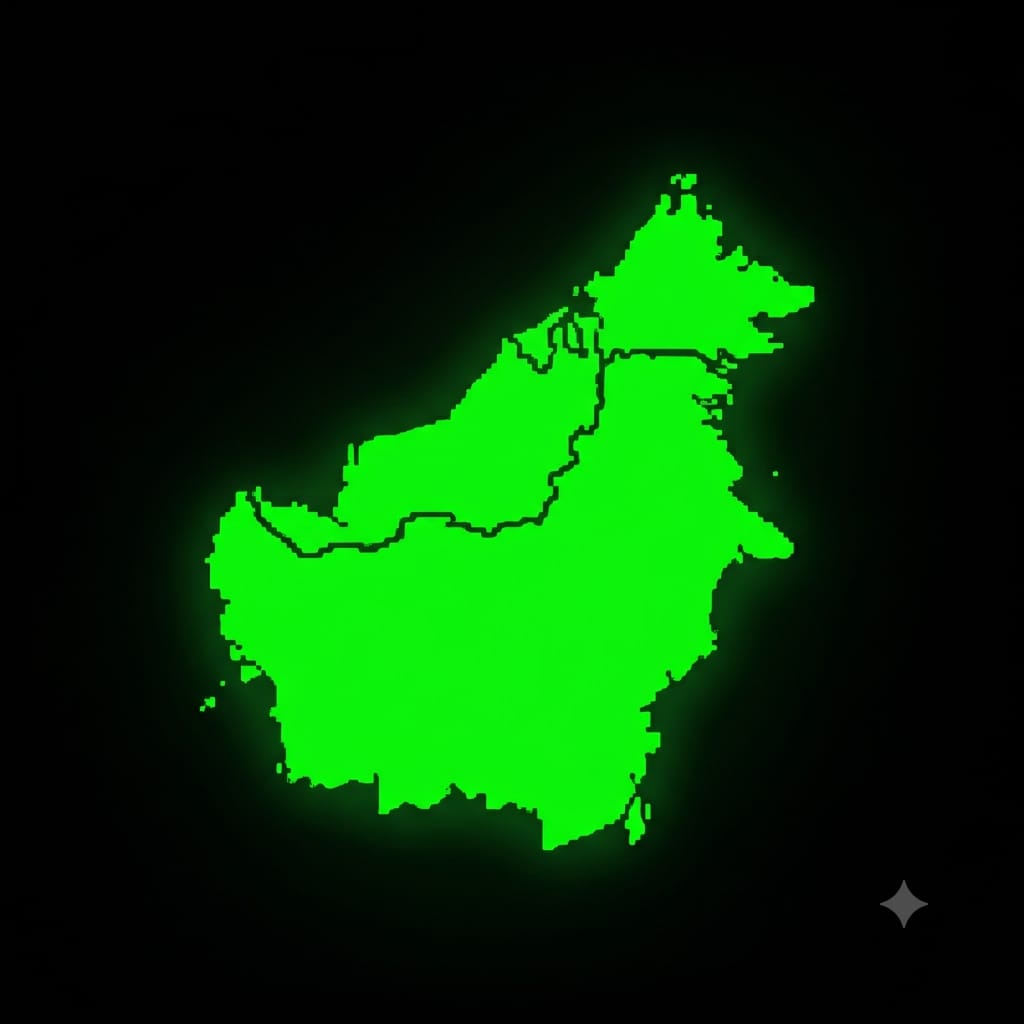
Central-northern Borneo, from the Mahakam River (East Kalimantan) and Rajang River (Sarawak) north to the southern slopes of Mount Kinabalu
Litter size
1 (occasionally 2, typical for the genus)
Gestation period
About 6 months (typical for the genus)
Size
Small (head-body ~27.4cm)
Weight
~410g (based on very few measured specimens)
Described in 2013 from central-northern Borneo and separated from its close relatives by the shape of the pale stripe between the eyes — bulb-shaped here, versus the rectangular stripe of the neighbouring Bornean slow loris — plus consistently hair-covered ears. It overlaps geographically with both the Philippine and Bornean slow lorises, and reliable field separation between the three in these overlap zones should be treated as genuinely uncertain rather than routine.
Presumed to share the genus's nocturnal, slow-climbing habits and toxic bite, but this is one of the most poorly studied primates on the island: beyond the original 2013 description, no dedicated ecological study of this species exists, and even its habitat association is inferred from remaining forest type rather than direct observation. Vulnerable (IUCN, assessed 2020).