/u_macaca_longtailed.jpg)
/longtailed%20macaque.jpg)
/u_angry_af_longtailed_macaque.jpg)
/u_cheeky_monkey.jpg)
Macaca fascicularis
Basic stats
Diet
Fruit, invertebrates, crabs, small vertebrates, seeds
Habitat
Mangroves, riverbanks, forest edge, disturbed habitat
Range
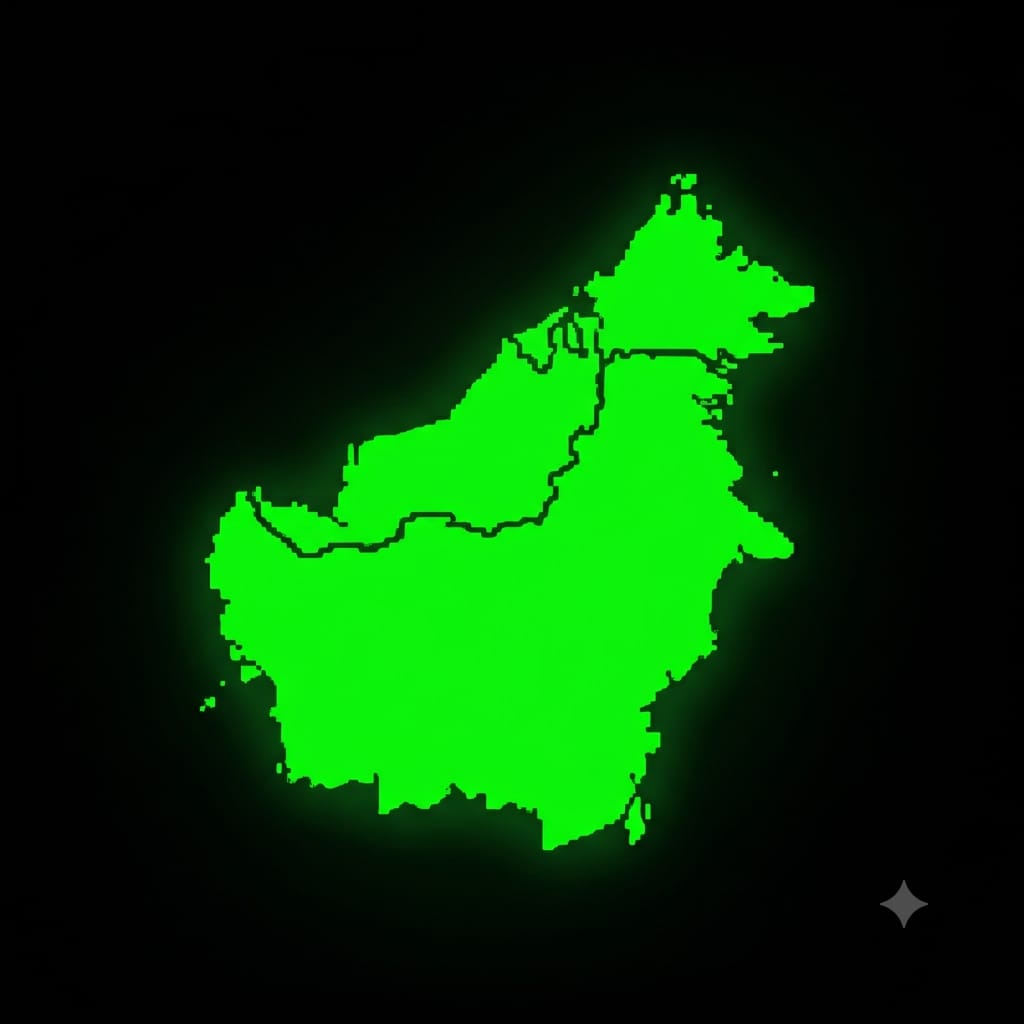
Widespread across Southeast Asia, including Borneo
Litter size
1
Gestation period
About 5.5–6 months (162–193 days)
Size
Medium (head-body 38–55cm, tail longer than body)
Weight
Males 5–9kg; females 3–6kg
Sabah's most widespread and adaptable primate, found from mangroves and riverbanks to disturbed forest edges and even urban fringes. The most reliable field mark against the pig-tailed macaque is the tail: long and trailing, longer than the body, versus the pig-tailed macaque's short tail carried arched up over the back. Long-tailed macaques are also smaller and slimmer-built, with a less prominent brow.
Highly opportunistic omnivores, taking fruit, invertebrates, crabs and small vertebrates. Tool-assisted shellfish foraging — using stones to crack open oysters and other shellfish — is documented in specific coastal and mangrove populations elsewhere in Southeast Asia (notably in Thailand), rather than being typical of the species as a whole; Kinabatangan's mangrove-edge troops forage opportunistically along the shoreline at low tide in the same general way. Troops are large and vocal, and are one of the most reliable primate sightings on any Kinabatangan river cruise.
Uplisted from Least Concern to Vulnerable in 2020 and then Endangered in 2022 (a status upheld by the IUCN in 2025 after formal challenge) — a roughly 40% decline over three generations, driven substantially by wild-caught animals being laundered into breeding farms for biomedical export across parts of the region, on top of habitat loss and hunting.