/cc-bornean-white-bearded-gibbon.jpg)
Hylobates albibarbis
Basic stats
Diet
Fruit (about two-thirds of intake, including figs), leaves, insects
Habitat
Primary and tall secondary lowland/hill forest, including peat-swamp forest
Range
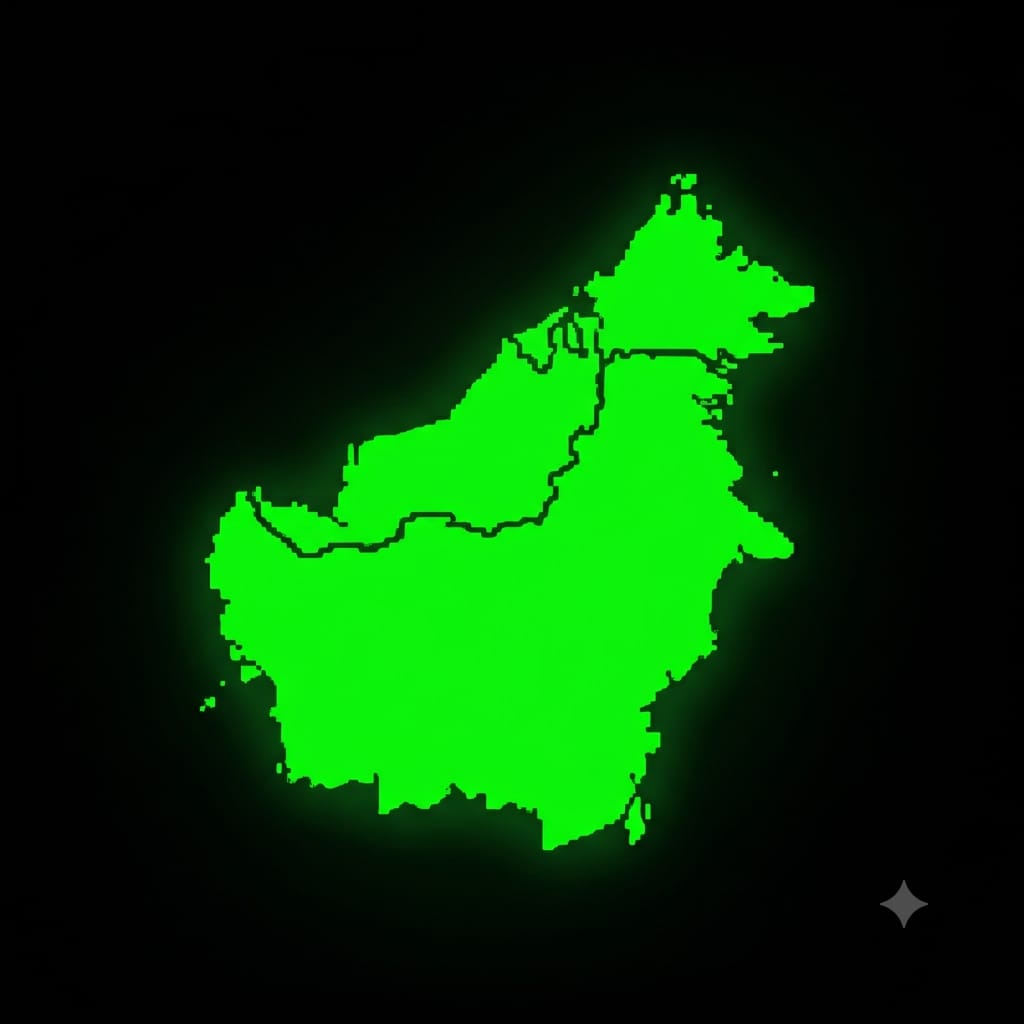
Central and West Kalimantan, between the Kapuas River and the Barito River
Litter size
1
Gestation period
About 7 months (genus-typical figure)
Size
Small, tailless ape (head-body 43–64cm)
Weight
Males 6.1–6.9kg; females 5.5–6.4kg
Another of Borneo's four geographically replacing gibbon species, identified by whitish-to-creamy cheek patches forming a 'beard' on males, set against a grey-to-light-brown body, a dark-brown cap and buffish lower back — the clearest single field mark separating it from the other three grey gibbons, none of which show this bearded look.
Restricted to central and south-western Borneo, between the Kapuas and Barito river systems, with a roughly 3,000km² hybrid zone with the Bornean gibbon in the upper Barito watershed. This is the best-studied of Borneo's four gibbons: long-term research in the Sabangau peat-swamp forest, Central Kalimantan, has documented duet-song structure and individual vocal signatures, and Sabangau National Park alone is thought to hold one of the largest surviving populations of any Bornean gibbon.
Endangered (IUCN, assessed 2020), declining from peat-swamp drainage, logging and fire.