/bear.jpg)
/beeaar.jpg)
/sunbear.jpg)
/u_beruang.jpg)
/1stop-shavez-cheema-sun-bear-climbing.jpg)
/1stop-shavez-cheema-sun-bear-closeup.jpg)
/jh3-sun-bear.jpg)
Helarctos malayanus
Basic stats
Diet
Fruit, invertebrates, honey, small vertebrates
Habitat
Lowland and hill primary/logged forest
Range
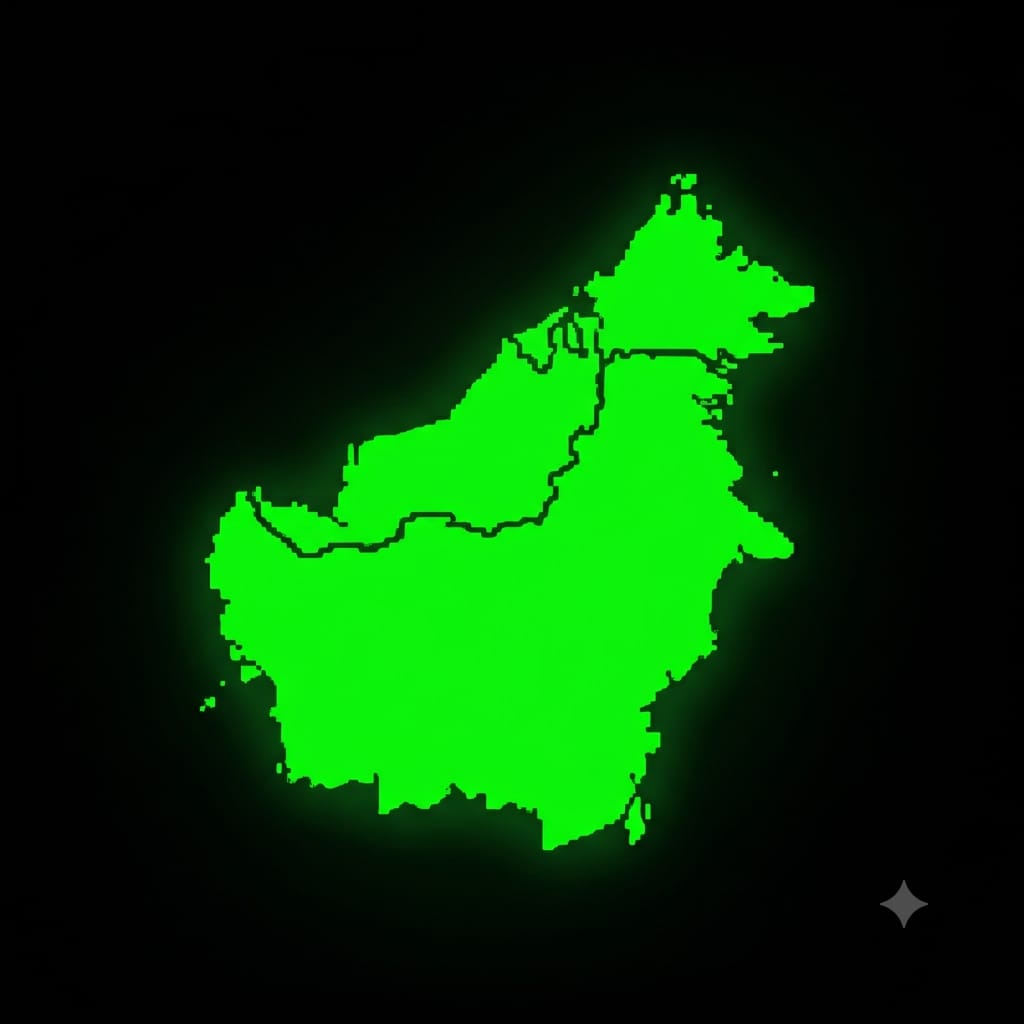
Mainland and island Southeast Asia, including Borneo
Litter size
1–2 cubs
Gestation period
About 95 days, with no evidence of the delayed implantation seen in many other bears
Size
Smallest bear species (head-body 100–140cm)
Weight
27–65kg
The smallest bear species in the world, with short, sleek black fur, a pale muzzle and a distinctive pale chest patch. Named for the sun-like chest marking, or possibly for its habit of basking. The chest pattern is genuinely individual — a published photo-identification study found it stable over multiple years and distinguishable between individuals with over 90% agreement among independent observers, making it a workable natural 'fingerprint' for telling bears apart.
Cathemeral rather than strictly nocturnal — both day and night activity have been documented, and behaviour appears to shift with the level of human disturbance in an area. Uses powerful claws to tear open rotten logs and termite mounds, and to raid bee nests for honey — a favoured food that gives it the alternative name 'honey bear'. Sightings are opportunistic on both day and night drives.
Vulnerable (IUCN, most recently reassessed 2017), hunted for its gall bladder and paws in parts of its range, and affected by deforestation.