/otter_civet.jpg)
/otter%20civet.jpeg)
/otter-civet-at-deramakot_49655152401_o.jpg)
/otter-civet-at-deramakot_49655432327_o.jpg)
/the-rarely-seen-otter-civet_49654614798_o.jpg)
/the-rarely-seen-otter-civet_49655432402_o.jpg)
Cynogale bennettii
Basic stats
Diet
Fish, crabs, freshwater molluscs, occasional birds and fruit
Habitat
Lowland swamp forest, peat swamp, riverine and stream edges, up to about 1,370m
Range
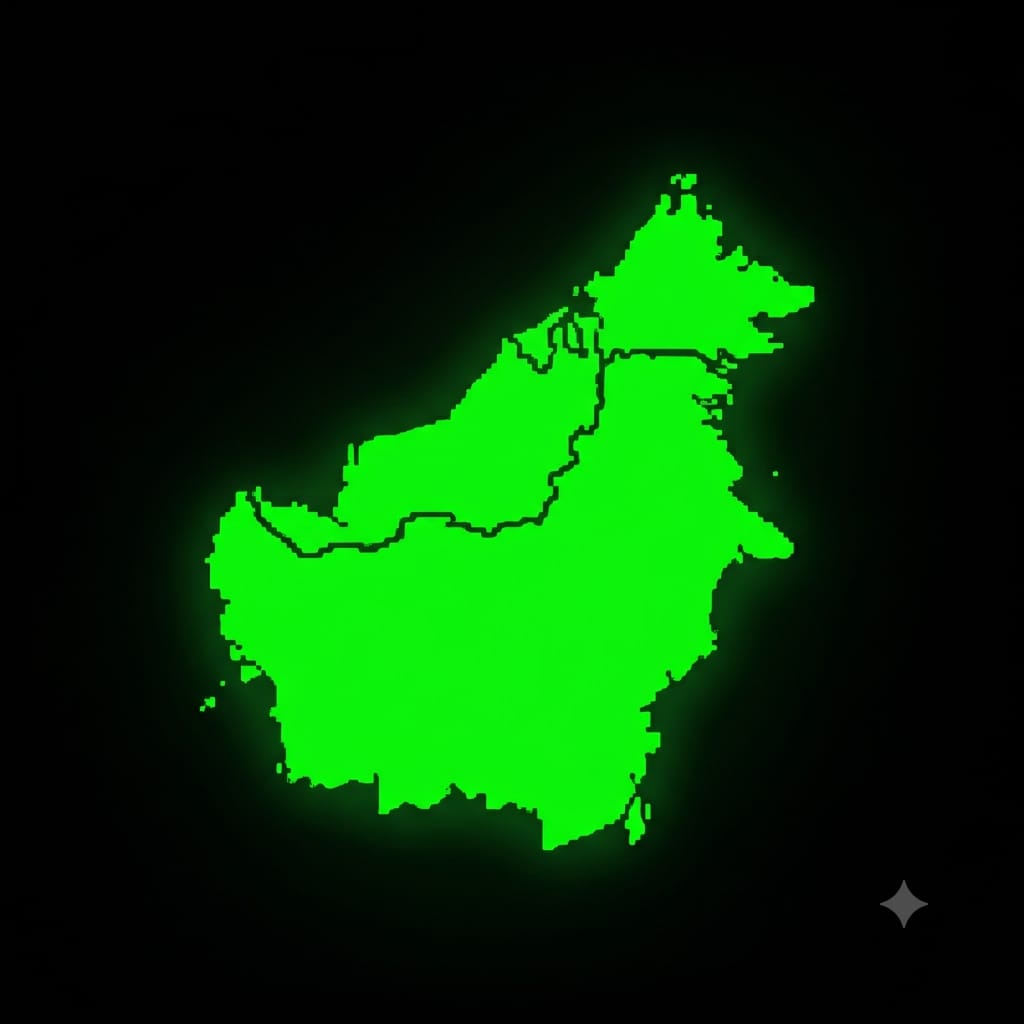
Southern Thailand, Peninsular Malaysia, Sumatra, Borneo, possibly Brunei
Litter size
Reported 1–5, though based on very small sample sizes — treat as indicative only
Gestation period
Reportedly about 60–64 days (small sample size)
Size
Medium (head-body 57–67cm)
Weight
3–5kg
A stocky, semi-aquatic civet with dense, water-repellent fur, long stiff whiskers, webbed feet, and nostrils and ears that close for swimming — an otter-like build unlike any other Bornean civet, though it is unrelated to true otters and fills a broadly similar niche, hence the name.
Tied closely to streams, rivers, peat swamp and swamp forest, and considered uncommon and difficult to observe across its range. Endangered (IUCN, assessed 2015/2016), with a suspected decline of more than 50% over three generations driven mainly by peat-swamp conversion to oil palm — a genuine rarity on any Sabah itinerary.