/catopuma-badia-2_commons.jpg)
/1stop-hearn-ross-bay-cat.jpg)
Catopuma badia
Basic stats
Diet
Unknown — no confirmed prey records in the wild
Habitat
Primary forest; also camera-trapped in logged/degraded forest
Range
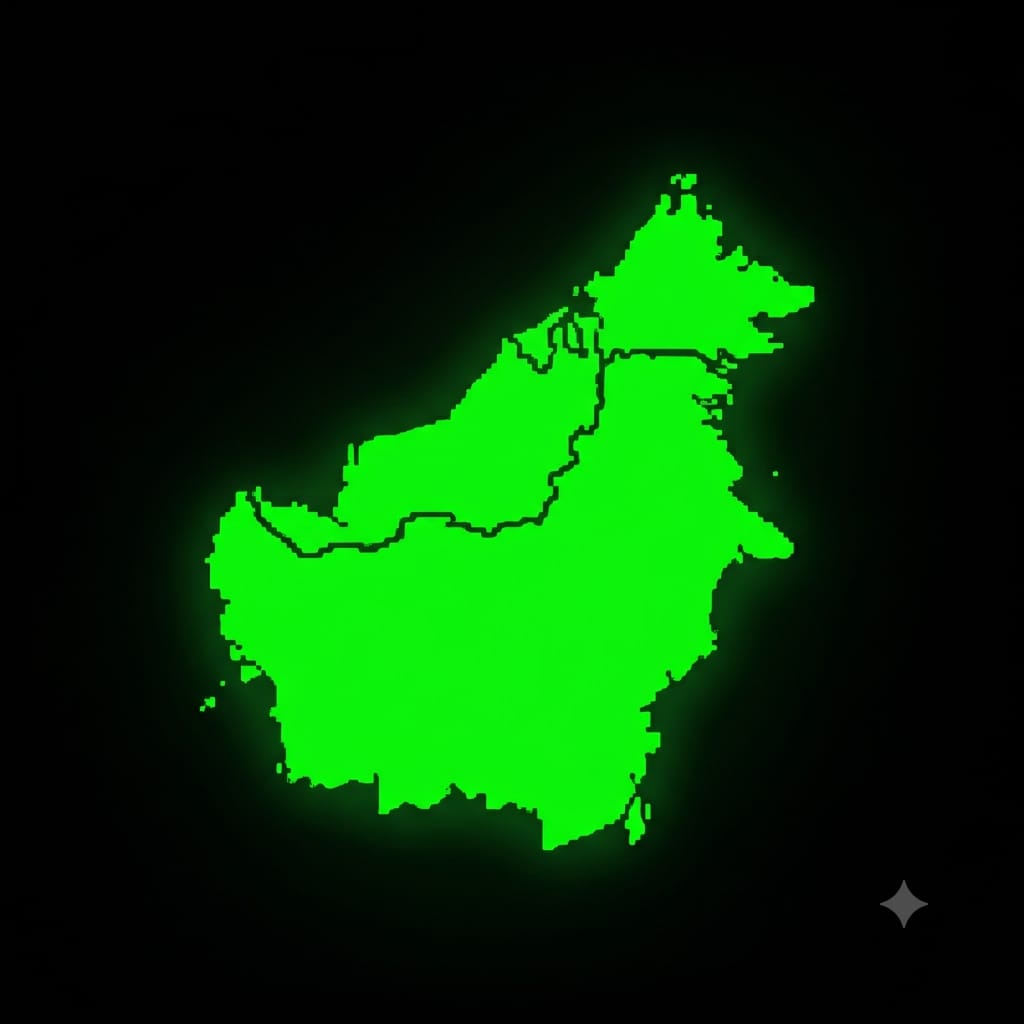
Endemic to Borneo
Litter size
Unknown (no breeding records)
Gestation period
Unrecorded in the wild
Size
Small-medium cat (head-body ~50–67cm)
Weight
~3–4kg (estimated)
One of the rarest and least-photographed cats in the world, endemic to Borneo and known mostly from camera-trap records rather than direct sightings. A reddish-brown to grey small cat with a long tail, faintly patterned in some individuals.
Long assumed to be nocturnal, but camera-trap studies from Sabah and Sarawak have overturned that: the bay cat is now understood to be predominantly diurnal, with activity peaking from mid-morning into early afternoon and only occasional records at night. It has also been camera-trapped in heavily logged and disturbed forest — a 2013 survey of the badly degraded Kalabakan Forest Reserve in Sabah recorded it far more often than expected — though its stronghold still appears to be large blocks of relatively intact, connected forest, and it seems to avoid oil palm plantations entirely.
Sightings remain exceptional even so. Andrew Hearn, an Oxford University researcher who has spent over two decades studying Borneo's wild cats and is among the very few people to have seen one alive, describes the bay cat as naturally rare, likely more so than Borneo's other wild felids. Diet and breeding behaviour are essentially undocumented in the wild. Endangered (IUCN, assessed 2016), with a population estimated at only around 2,200–2,500 mature individuals, threatened above all by deforestation and conversion to oil palm — it has been recorded even in badly degraded logged forest, but appears to avoid oil palm plantations entirely.