/bs-oriental-small-clawed-otter-1.jpg)
/dario-small-clawed-otters-tabin-1.jpg)
/dario-small-clawed-otter-tabin-2.jpg)
/oriental_small_clawed_otter.jpg)
/u_lone_small_clawed_otter.jpg)
/u_otters.jpg)
Aonyx cinereus
Basic stats
Diet
Crabs, molluscs, small fish
Habitat
Small streams, swamps, paddy-adjacent waterways
Range
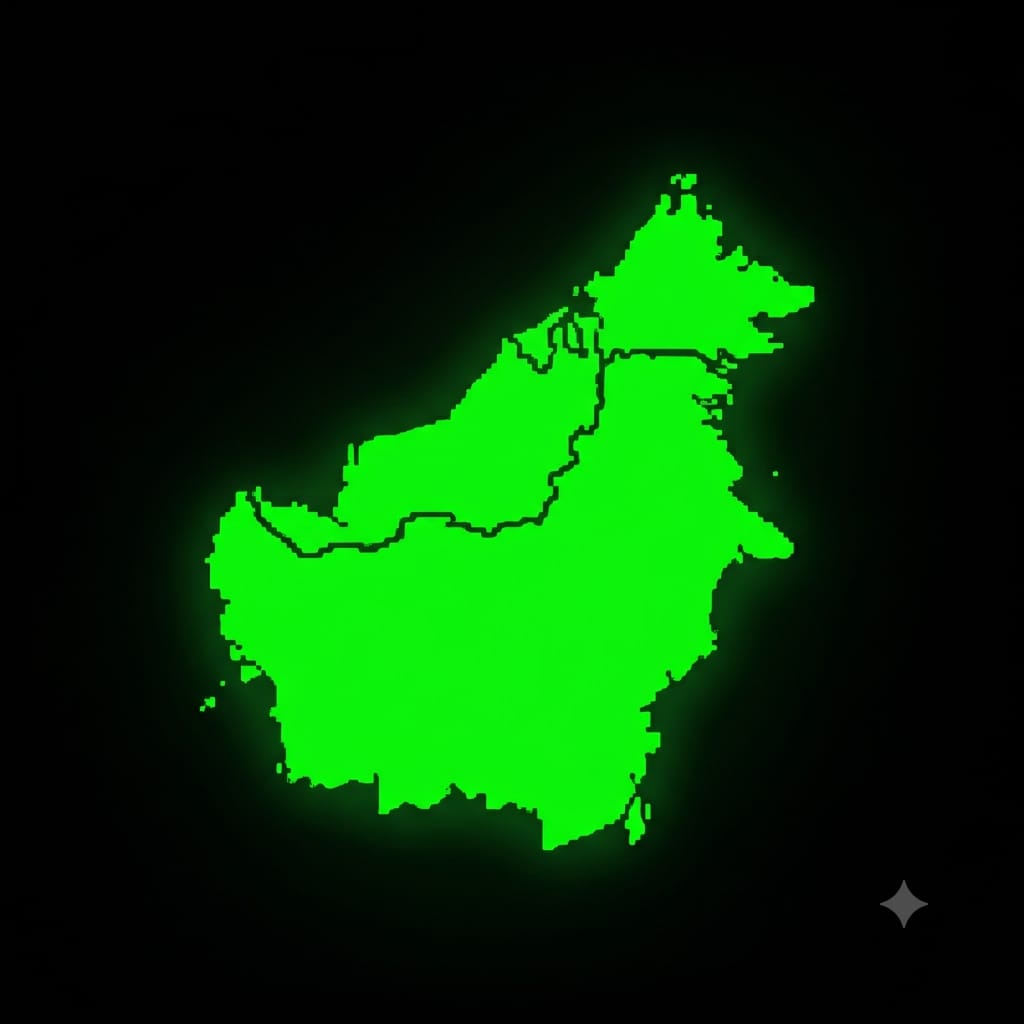
South and Southeast Asia, including Borneo
Litter size
1–6 pups (usually 1–2), up to two litters a year
Gestation period
About 60 days
Size
Smallest otter species (total length 73–96cm)
Weight
Up to about 3.5kg
The smallest otter species in the world, with a fully bare nose pad, only partially webbed paws, and claws that are short and blunt, not reaching past the fleshy paw pads — the reduced webbing and claws are what give this species its unusually dexterous forepaws, used to manipulate crabs, molluscs and other hard-shelled prey by feel in murky water rather than relying on sight or the fuller-clawed grip of the other two Bornean otters.
Lives in close family groups, generally in smaller streams, swamps and paddy-adjacent waterways rather than large rivers. Playful and vocal, with a wide range of contact calls between group members. Vulnerable (IUCN).